The 1980s File Feature
Satisfied Man
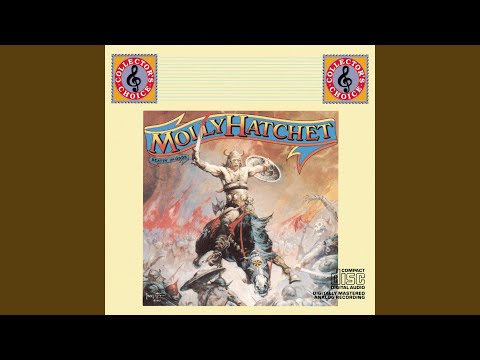
"Satisfied Man" — Molly Hatchet and the Southern Rock Sunset Florida Thunder in a Changing Era By the autumn of 1984, the landscape that had once been so hos…
01 The Story
"Satisfied Man" — Molly Hatchet and the Southern Rock Sunset
Florida Thunder in a Changing Era
By the autumn of 1984, the landscape that had once been so hospitable to Southern rock was shifting under the genre's feet. The decade that had opened with hard rock FM dominance was now crowded with synthesiser-driven new wave acts, MTV-friendly pop metal bands, and the first stirrings of what would become the hair metal phenomenon. For a band like Molly Hatchet, who had carved their identity from the same Jacksonville, Florida soil that had produced Lynyrd Skynyrd, navigating this new environment required a particular kind of stubborn self-belief. "Satisfied Man" emerged from that period of navigation as a mid-charting single that demonstrated the band still had something to say, even if the radio wasn't always sure it wanted to hear it.
Molly Hatchet had arrived at the end of the 1970s as one of the most viscerally exciting live acts in Southern rock, their early albums combining an aggressive twin-guitar attack with the blues-drenched bravado that defined the genre's best work. The band had sold enormous quantities of records and filled arenas without ever quite breaking into the absolute top tier of commercial recognition. By 1984, they were working with a lineup that had undergone significant changes, and The Deed Is Done, the album that contained "Satisfied Man," represented their attempt to find commercial footing in a significantly altered musical landscape.
The Sound of "Satisfied Man"
The track itself leans into the harder, more commercial rock sound that was finding traction on AOR stations in the mid-1980s, while retaining enough of the band's Southern grit to keep it grounded in their identity. The production has the characteristic sheen of its era, with drums placed high in the mix and guitars given a compressed, radio-ready brightness that distinguished the period's rock output from the rawer sounds of the 1970s. Vocally, the delivery conveyed the world-weary confidence implied by the title, a man who has seen enough and survived enough to claim a kind of hard-won peace. The arrangement balanced commercial accessibility with the muscular guitar work that the Hatchet faithful expected.
A Limited but Real Chart Presence
"Satisfied Man" entered the Billboard Hot 100 on October 20, 1984, debuting at position 90. Over the following weeks it climbed steadily, reaching its peak of number 81 on November 10, 1984, before beginning its descent. The single spent 5 weeks on the Hot 100 in total, a modest run that reflected both the band's persistent core audience and the challenges of breaking through in a chart environment dominated by very different sounds. In the autumn of 1984, the Hot 100 was contested by acts ranging from Prince and Tina Turner to Wham! and Madonna; the space for guitar-driven Southern rock had narrowed considerably from its late-1970s peak.
The AOR and album rock formats were more comfortable terrain for Molly Hatchet than the mainstream singles chart, and their dedicated radio audience in those formats sustained the track's life beyond what the Hot 100 positions suggest.
The Band at a Crossroads
The mid-1980s represented a genuine test for every Southern rock act that had built its reputation in the previous decade. The genre's commercial peak had passed, and the question facing bands like Molly Hatchet was whether to adapt their sound toward the prevailing pop-metal aesthetic or to hold their course and accept a narrowed commercial profile. The Deed Is Done represented something of a compromise position, incorporating enough contemporary production polish to court new listeners while preserving the essential character that existing fans demanded. "Satisfied Man" sat at the centre of that compromise, a track that could reasonably be played on both AOR stations and the harder rock formats that were beginning to carve out distinct identities.
Southern Rock's Stubborn Persistence
What is striking about Molly Hatchet's mid-1980s work, and about "Satisfied Man" in particular, is the refusal to entirely surrender an identity in the face of commercial pressure. Southern rock as a genre proved more durable than its obituaries suggested; bands like Hatchet, .38 Special, and the reconstituted Lynyrd Skynyrd continued to find loyal audiences throughout the decade and beyond. "Satisfied Man" stands as a document of that persistence, a record made by musicians who had been playing together in various configurations for years and who knew their audience well enough to deliver what was needed even when the broader market wasn't paying full attention. The guitars cut through the production's period sheen with genuine authority. Press play and that authority is immediately apparent.
"Satisfied Man" — Molly Hatchet's singular moment on the 1980s charts.
02 Song Meaning
"Satisfied Man" — Hard-Won Peace and the Southern Rock Ethos of Endurance
The Mythology of the Satisfied Man
The figure of the "satisfied man" in American popular music carries a complex inheritance. In blues and country traditions, the man who claims satisfaction has usually earned it through hardship, loss, and survival rather than through luck or privilege. The title of Molly Hatchet's 1984 single immediately invokes that tradition, positioning its narrator not as someone who has been handed ease but as someone who has arrived at contentment through experience. This framing aligns the track with the Southern rock worldview that the band had cultivated since their late-1970s origins: a philosophy of resilience, toughness, and genuine pride in having made it through.
Regional Identity as Lyrical Posture
Southern rock as a genre was always as much about identity as it was about sound. The genre's founding bands positioned themselves explicitly against perceived Northern or coastal cultural assumptions, insisting on the validity and richness of a Southern working-class worldview. "Satisfied Man" participates in that tradition, adopting a lyrical stance of self-sufficiency and earned confidence that reads as much as cultural statement as personal narrative. The satisfied man of the title is implicitly a regional figure, someone who has built something real and durable without requiring validation from the commercial centres of American culture.
Masculinity and Authenticity in 1984 Rock
The mid-1980s rock landscape was undergoing considerable renegotiation of what masculine authenticity meant in popular music. Hair metal was constructing an increasingly theatrical and cosmetic version of rock masculinity, while the alternative underground was pushing toward something more introspective and ambivalent. Molly Hatchet's contribution to that conversation, through tracks like "Satisfied Man," was to hold a line: the genuine article was still out there, still making records, still embodying a version of hard-rock manhood that owed more to actual lived experience than to image consulting. Whether listeners found that posture reassuring or limiting depended entirely on where they stood in the cultural debates of the moment.
The Blues as Foundational Grammar
Beneath the period production and the AOR sheen of "Satisfied Man" runs a blues-derived emotional vocabulary that connects the track to a much longer tradition in American music. The blues, at its core, is a form that transforms suffering into art and survival into a form of triumph. The satisfied man of the title has absorbed that tradition fully; his satisfaction is the satisfaction of the blues survivor, someone who has learned to carry weight without being broken by it. This depth of tradition gave the track a gravity that pure pop-metal contemporaries, with their more superficial concerns, rarely achieved.
What the Track Says About Longevity
Coming at a moment when Southern rock's commercial moment had clearly passed its peak, "Satisfied Man" carries an additional layer of meaning when read against its biographical context. A band that had been through lineup changes, commercial fluctuations, and genre shifts, still making records and claiming a kind of artistic satisfaction, was performing the very theme its title announced. The song's argument for contentment in the face of changed circumstances resonated with the segment of the rock audience that had grown up with the genre and was itself navigating the question of how to maintain values in a world that had moved on to other enthusiasms. That resonance, modest but real, gave the track a meaning beyond its chart position.
→ More from Molly Hatchet
View all Molly Hatchet hits →

→ More from the 1980s File
View all 1980s hits →


Keep digging