The 1980s File Feature
My Town
My Town — The Michael Stanley Band's Blue-Collar Anthem The Heartland Sound of 1983 Picture the American heartland in the fall of 1983: blue-collar cities st…
01 The Story
My Town — The Michael Stanley Band's Blue-Collar Anthem
The Heartland Sound of 1983
Picture the American heartland in the fall of 1983: blue-collar cities still reeling from the recession, factory floors thinning out, and a generation of rock fans who felt underserved by the glittering new-wave acts colonizing MTV. Into that landscape came the Michael Stanley Band, a Cleveland outfit that had spent the better part of a decade building one of the most fiercely loyal regional followings in American rock. When My Town arrived in October of that year, it landed like a declaration. The song didn't ask for national recognition; it planted a flag for the places radio had forgotten.
Cleveland's Favorite Sons
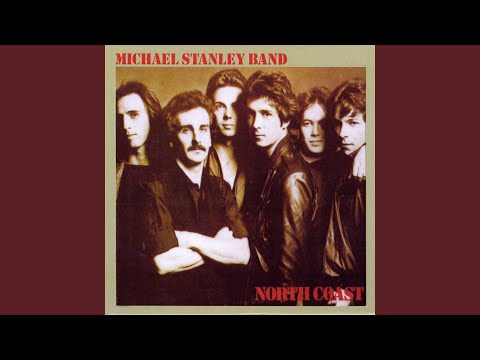
Michael Stanley had been recording since the early 1970s, first as a solo act and then under the Michael Stanley Band banner. The group built its reputation not through hit singles but through relentless live performance, packing Cleveland venues with the kind of intensity that reminded audiences of Springsteen and Seger at their most combustible. By 1983 the band had released a string of albums on EMI America, each one tightening the sound: muscular guitars, keyboards that swelled rather than sparkled, and Stanley's voice carrying the weight of neighborhoods that industry had started to leave behind. Heartland, the 1980 album, had made the band regional stars. My Town would be their most visible moment on the national stage.
A Song Built for the Home Crowd
The track carries the DNA of classic heartland rock: a mid-tempo drive, guitars that build rather than flash, and lyrics that treat ordinary geography as sacred ground. There is nothing ironic in the song's pride; the narrator claims his city not as a consolation prize but as a genuine inheritance. The production, while polished enough for radio, preserves the live energy that made the band's concerts legendary. That combination of studio craft and arena-rock muscle gave the track a sturdiness that FM rock stations found easy to embrace.
The Billboard Run
My Town debuted on the Billboard Hot 100 on October 1, 1983, entering at number 72. It climbed steadily through the autumn weeks, moving to 60, then 52, 46, and 43 on its way upward. The song reached its peak position of number 39 on November 12, 1983, spending a total of ten weeks on the chart. That was not a number-one run, but for a band whose commercial reach had always been concentrated in the Midwest, it represented a genuine national breakthrough. Rock radio programmers in markets far from Cleveland put the track into rotation, drawn by its universal theme of hometown pride wrapped in a sound that felt honest rather than calculated.
Legacy in the Rust Belt Canon
The Michael Stanley Band would continue recording and touring into the mid-1980s before eventually dissolving, but My Town became the song that followed Stanley wherever he went. The track crystallized everything the band stood for: working-class authenticity, regional pride, and a refusal to dilute rock and roll into something more commercially fashionable. In Cleveland, it became something close to a civic anthem, played at sporting events and on local radio with a frequency that major-label hits from the same era couldn't match at the local level. The Rock and Roll Hall of Fame sits in Cleveland today, and the city's relationship with rock is inseparable from what bands like the Michael Stanley Band built during these years. My Town is a document of that relationship, fixed in amber at the exact moment when heartland rock still believed in itself completely. Put it on, and you can almost smell the autumn air coming off Lake Erie.
"My Town" — Michael Stanley Band's singular moment on the 1980s charts.
02 Song Meaning
My Town — Belonging, Pride, and the Geography of Identity
What the Song Is Really Saying
At its core, My Town is a song about belonging to a place that the wider world has decided doesn't matter. In 1983, that resonance was specific and painful. The deindustrialization of the American Midwest had left a generation stranded between nostalgia for a working economy and uncertainty about the future. Michael Stanley's narrator doesn't wring his hands about this; he doubles down on loyalty. The city is his not because it's glamorous but because it shaped him, and that shaping is enough.
The Emotional Logic of Regional Pride
The song operates on a logic that listeners in overlooked cities understood instinctively: pride in place as a form of self-definition. Mainstream culture in the early 1980s was increasingly centered on coasts and celebrities, mediated through MTV and glossy magazines. A song that planted itself firmly in unnamed Midwest geography offered a counter-narrative. It told listeners in Cleveland, Pittsburgh, Detroit, and dozens of similar cities that their geography wasn't a limitation to escape but a foundation to stand on. That message hit a nerve precisely because so many other cultural products of the era seemed to be saying the opposite.
Authenticity as Artistic Theme
The Michael Stanley Band built its entire career on the idea that sincerity matters more than sophistication. My Town is the fullest expression of that philosophy. The lyrics don't reach for poetic complexity; they reach for honesty, and that distinction is what separates the song from similar anthems that feel manufactured. Where some arena-rock songs of the period dressed up generic sentiment in flashy production, this track trusts that direct emotion, plainly stated, is enough. It was a bet that paid off with the audiences who needed to hear exactly that.
The Broader Cultural Moment
Rock music in 1983 was at a crossroads. New wave and synth-pop were capturing magazine covers and MTV airtime, while guitar-driven heartland rock was being positioned as the music of people who hadn't caught up with the times. Springsteen was still a year away from Born in the U.S.A., the album that would temporarily make heartland themes fashionable at a mass scale. The Michael Stanley Band was making this music before it became a trend, which gave tracks like My Town an unself-conscious quality that later entries in the genre sometimes lacked. They weren't calculating a cultural moment; they were simply expressing where they lived.
Why It Still Resonates
The specific geography of My Town is never named in the song, and that vagueness turns out to be one of its great strengths. Every listener can fill in their own town, their own streets, their own version of the loyalty the song describes. That universality beneath the regional surface is what keeps the track meaningful decades after its chart run ended. Songs that speak to a specific emotional experience without requiring a specific biography from the listener tend to endure. My Town is that kind of song: rooted enough to feel real, open enough to travel.
→ More from Michael Stanley Band
View all Michael Stanley Band hits →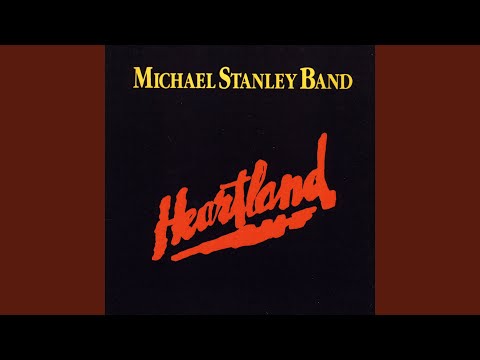

→ More from the 1980s File
View all 1980s hits →




Keep digging