The 1980s File Feature
I Want Her
"I Want Her" — Keith Sweat New Jack Swing and the Birth of a Sound The late 1980s were a transition moment for Black popular music, a period when the rigid e…
01 The Story
"I Want Her" — Keith Sweat
New Jack Swing and the Birth of a Sound
The late 1980s were a transition moment for Black popular music, a period when the rigid electronic funk of the early decade was giving way to something warmer, more rhythmically supple, and more vocally driven. New Jack Swing, a fusion of hip-hop production techniques with R&B vocal tradition, was beginning to reshape what radio-ready soul could sound like. In that context, Keith Sweat arrived in 1987 with a debut that announced a new kind of romantic urgency. "I Want Her" was the single that carried him to the nation's attention, and its chart run through early 1988 was one of the more impressive slow builds the Hot 100 had seen from a new R&B artist in years.
The Chart Climb
The song debuted on the Billboard Hot 100 on January 16, 1988, entering at number 77. What followed was a methodical, week-by-week ascent that demonstrated genuine audience demand rather than a promotional spike. By January 30 it had climbed to 48; by February 6 it sat at 38. The momentum continued through February and March, and the song reached its peak of number 5 on April 2, 1988, a full eleven weeks after its debut. It spent 20 weeks total on the Hot 100, an extended residency that reflected sustained radio play and ongoing sales. On the R&B charts, where Sweat's audience was most concentrated, the song performed even more powerfully, reaching the top of the Billboard R&B chart.
Keith Sweat's Debut and the Make It Last Forever Album
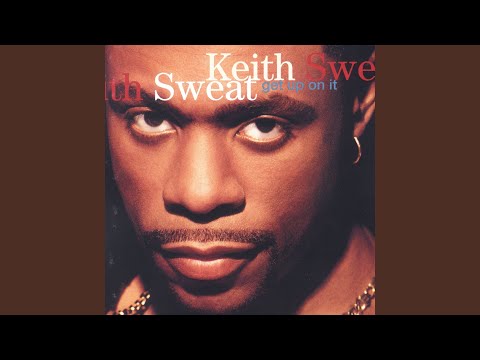
"I Want Her" was the lead single from Sweat's debut album Make It Last Forever, released on Vintertainment Records in late 1987. The album itself became a touchstone of the New Jack Swing movement, produced with the close involvement of Teddy Riley, one of the genre's primary architects. Riley's production fingerprint, the combination of programmed percussion with live instrumentation and tight vocal layering, gave "I Want Her" its particular feel. The track's groove was insistent without being aggressive, creating the kind of late-night intimacy that would define Sweat's commercial identity throughout his career.
Sweat's voice on the recording is distinctive for its passionate, pleading quality. He did not have the polished, controlled delivery of a classic soul vocalist; instead his approach was rawer and more emotionally transparent, with a sincerity that connected directly to listeners who recognized the desperation he projected. That emotional authenticity, rare and difficult to manufacture, was the core of his commercial appeal.
The Cultural Moment
In the spring of 1988, American radio was navigating a period of genuine stylistic pluralism. Hair metal and power ballads dominated the rock side of the Hot 100 while New Jack Swing and quiet storm R&B were staking out their territory with remarkable commercial success. "I Want Her" arriving at number 5 during this period meant it was competing directly with pop and rock material across the full chart, not simply dominating a genre silo. That crossover reach was significant for Sweat's early career and for the broader visibility of New Jack Swing as a commercial force.
The song's success helped accelerate the format's mainstream acceptance, clearing a path for the wave of artists, producers, and labels that would follow through the early 1990s. Keith Sweat's commercial trajectory in 1988 was one of the data points that major labels used to justify investment in New Jack Swing and its related styles.
A Career Foundation
The longevity of "I Want Her" as a cornerstone of Sweat's catalog is remarkable. Long after its chart run ended, the song continued to circulate on urban radio, in clubs, and in the cultural memory of listeners who came of age in the late 1980s. Sweat went on to a career that included multiple successful albums and additional hits through the 1990s and 2000s, but "I Want Her" remained the track that defined the beginning, the song that introduced his voice and sensibility to a national audience and made everything that followed possible.
Put it on and you'll hear exactly why New Jack Swing took over; the groove is effortless and the longing is real.
"I Want Her" — Keith Sweat's singular moment on the 1980s charts.
02 Song Meaning
"I Want Her" — Meaning and Legacy
The Anatomy of Longing
There is a very specific emotional register that "I Want Her" occupies: the suspended state between desire and possession, where the wanting is so intense that it has become its own permanent condition. Keith Sweat's lyrics, which describe an obsessive romantic fixation in language that is frank without becoming coarse, capture the way longing can feel like a physical ache. The song does not resolve into consummation or rejection; it lives entirely in the space of yearning. That liminal emotional territory is part of why it resonated so broadly with listeners in 1988, because that feeling is universal regardless of circumstance.
Vulnerability as Masculine Identity
One of the most interesting cultural aspects of the New Jack Swing era, and of Keith Sweat's work in particular, was its rehabilitation of male vulnerability as a pop music stance. The dominant masculine codes in mainstream American music during the mid-1980s leaned toward bravado, whether in rock's posturing or in hip-hop's emerging assertiveness. Sweat's approach was almost entirely counter to that: he pleaded, he confessed need, he portrayed himself as emotionally exposed. "I Want Her" is built on this vulnerability, with a protagonist who is transparent about his desire and his helplessness in the face of it.
This emotional openness found a large and loyal audience, particularly among women listeners who responded to a male voice that expressed longing rather than dominance. The song's R&B chart performance reflected the depth of that connection in Sweat's core demographic.
Production and the New Jack Swing Aesthetic
The sonic world Teddy Riley constructed around Sweat's vocal on this track was as important to the song's meaning as the lyrics themselves. The production creates an atmosphere of late-night intimacy, close and warm, with a rhythmic pulse that feels more like a heartbeat than a dance floor instruction. The New Jack Swing aesthetic that Riley pioneered combined the precision of programmed drums with the emotional warmth of traditional R&B instrumentation, and "I Want Her" is one of its most effective early demonstrations. The music itself enacts the song's themes: it surrounds the listener, insistent and inescapable, the way desire surrounds the narrator.
The Era's Romantic Anxiety
The late 1980s were a complicated time for romance in American popular culture. The AIDS crisis had transformed how intimacy was discussed and understood; the sexual confidence of the disco era had given way to a new anxiety. In this context, a song about wanting someone with desperate, uncomplicated sincerity carried a particular emotional weight. "I Want Her" does not engage directly with any of these social anxieties, but its emotional urgency gains a certain poignancy when placed against the backdrop of an era in which desire had become more fraught.
Sweat's voice never sounds calculating or manipulative; it sounds genuinely overcome. That quality, more than any lyrical cleverness, is what made the song feel authentic to listeners navigating their own complicated emotional landscapes in 1988.
A Blueprint for Two Decades of R&B
The template that "I Want Her" established for male R&B performance, vulnerable, romantic, rhythmically grounded, and emotionally direct, proved enormously durable. Subsequent artists who would dominate R&B through the 1990s and 2000s drew from the same emotional vocabulary, making Sweat a foundational figure in the genre's late twentieth century evolution. The song itself has been sampled, referenced, and covered in various contexts over the decades, each new version confirming that its core emotional content does not age because the feeling it describes does not age. Longing is not a period piece.
"I Want Her" — Keith Sweat's singular moment on the 1980s charts.
→ More from Keith Sweat
View all Keith Sweat hits →



→ More from the 1980s File
View all 1980s hits →



Keep digging