The 1980s File Feature
Don't Lose Any Sleep
The Story Behind Don't Lose Any Sleep by John Waite A Solo Star Chasing a Second Wind By 1987, John Waite already had one of the more unusual resumes in rock…
01 The Story
The Story Behind "Don't Lose Any Sleep" by John Waite
A Solo Star Chasing a Second Wind
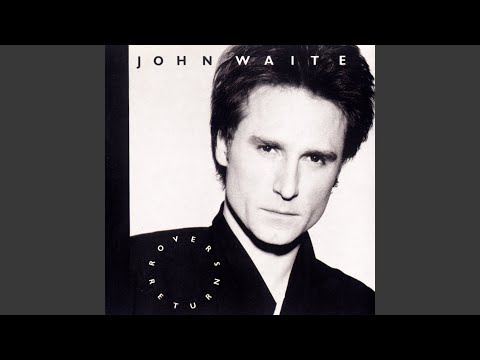
By 1987, John Waite already had one of the more unusual resumes in rock and roll, having fronted the British band the Babys before helping form the arena-rock powerhouse Bad English, all while carving out a parallel solo career that produced one of the era's most inescapable ballads two years earlier. That earlier chart-topping success had raised expectations enormously for whatever came next, a pressure that hangs over most artists chasing a follow-up to a defining hit. His 1987 album Rover's Return arrived into that exact environment, an attempt to prove the earlier triumph was not a fluke, and it leaned on Waite's distinctive, gravel-edged voice and his knack for marrying rock muscle to genuine emotional vulnerability. Critics at the time noted that the record leaned harder into rock instrumentation than his previous outing, a deliberate attempt to distance the new material from any accusation of chasing the same balladry formula twice.
A Sound Built for Late-1980s Radio
Sonically, "Don't Lose Any Sleep" fit comfortably within the polished, synthesizer-touched rock sound that dominated adult contemporary and rock radio simultaneously during the back half of the 1980s. Waite's voice, weathered and emotionally direct, cut through the era's glossy production values in a way that distinguished him from more overtly hair-metal or synth-pop contemporaries populating the same radio playlists that autumn. The track carried the DNA of his earlier hits: a driving rhythm section, a hook built around a conversational, almost confessional vocal line, and a chorus engineered to land immediately with listeners who already knew his voice from radio.
A Solid, if Modest, Chart Run
The single found a home on the lower half of the Billboard Hot 100, a respectable if unspectacular showing for an artist coming off a much bigger predecessor. "Don't Lose Any Sleep" debuted on the chart on September 26, 1987, and climbed to its peak position of number 81 during the chart week of October 10, 1987, spending four weeks on the Hot 100 in total. That trajectory, a real if brief ascent followed by a fairly quick descent, reflects the reality most artists face after a genuine blockbuster hit: subsequent singles typically underperform by comparison even when the material is strong, simply because expectations and radio programming decisions shift once the initial wave of attention passes.
Standing in the Shadow of a Bigger Hit
It would be easy to read this single's modest chart peak as a disappointment, but doing so ignores the broader context of Waite's career arc during this period. He was simultaneously laying groundwork for Bad English, the supergroup he would soon form with former Babys and Journey members, which would go on to produce its own chart-topping success just a couple of years later. Viewed that way, this song functioned less as a make-or-break statement and more as a connective thread in a career defined by constant reinvention, one where Waite kept moving between solo work and collaborative projects without ever losing his distinctive vocal signature.
A Steady Voice in a Shifting Decade
What ultimately defines Waite's legacy is not any single chart position but the consistency of his voice across three very different musical vehicles spanning more than a decade. This song, tucked into the middle of that run, showcases the same emotional directness that made his biggest hit so enduring, even if commercial fortune did not repeat itself at the same scale. For longtime fans of blue-collar, heart-on-sleeve rock and roll, it remains a worthwhile deep cut that rewards a careful listen. Give it a spin and hear a road-tested voice working through heartbreak with real conviction, still finding fresh emotional territory two hits and two bands into an already accomplished career.
"Don't Lose Any Sleep" — John Waite's singular moment on the 1980s charts.
02 Song Meaning
What "Don't Lose Any Sleep" Is Really About
A Reassurance That Doubles as a Warning
On its surface, the title phrase reads as an act of generosity, a narrator telling a former partner not to worry about the pain they caused. Dig slightly deeper, though, and the line carries a sharper edge, functioning almost as a challenge or a quiet accusation as much as genuine reassurance. That double meaning, comfort layered over resentment, gives the song its emotional complexity and keeps it from settling into a simple breakup ballad formula, forcing the listener to decide for themselves which reading feels truer on any given spin.
Wounded Pride Set to a Driving Beat
The narrator's stance throughout leans toward wounded self-sufficiency rather than open pleading, a posture common in John Waite's catalog of heartbreak songs. Rather than begging for reconciliation, the voice in the song projects resilience, insisting he will manage fine without the other person even as the music's urgency suggests otherwise underneath the words. That tension between what is said and what is felt is where much of the song's emotional charge lives, a classic rock and roll trick of masking vulnerability behind bravado.
Restlessness as a Recurring Theme
Movement and departure run through the lyric as recurring images, evoking a narrator who processes emotional pain through physical distance rather than confrontation. That restlessness mirrors Waite's own career pattern during this period, bouncing between projects and bands, never quite settling in one place for long. Whether intentional or not, the song's thematic preoccupation with leaving and moving forward resonates with the broader arc of an artist who spent the late 1980s constantly reinventing his professional situation.
Heartbreak Dressed for the Radio
Musically and lyrically, the song belongs to a specific late-1980s tradition of rock ballads that wrapped genuinely raw emotional content inside polished, radio-friendly production. That combination, real hurt delivered through a shiny, hook-driven arrangement, was one of the defining tensions of the era's biggest rock hits, and it is precisely what allowed songs like this one to feel emotionally substantial without sacrificing commercial accessibility. Listeners could dance to their own heartbreak, so to speak, which was very much the point.
Why It Still Connects With Listeners
The song endures for fans of the era because it captures a very relatable emotional contradiction: the desire to appear unaffected by a breakup while clearly still processing real hurt underneath the surface. That universal experience, performing composure while privately unraveling, gives the song a staying power beyond its modest chart performance. It rewards listeners who appreciate rock ballads built on genuine emotional nuance rather than simple sentimentality, a hallmark of Waite's best work across his long and varied career.
"Don't Lose Any Sleep" — John Waite's singular moment on the 1980s charts.
→ More from John Waite
View all John Waite hits →


→ More from the 1980s File
View all 1980s hits →




Keep digging