The 1980s File Feature
I Hate Myself For Loving You
The Raw Power of I Hate Myself for Loving You by Joan Jett Picture the summer of 1988, when a fierce, leather-clad rock icon delivered one of the most enduri…
01 The Story
The Raw Power of "I Hate Myself for Loving You" by Joan Jett
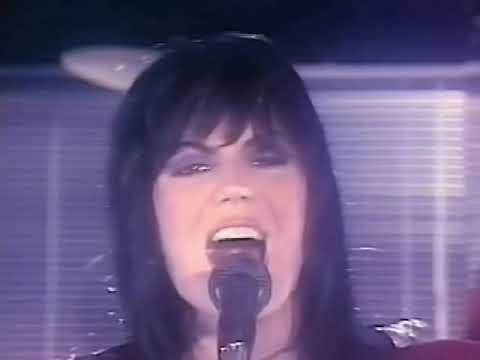
Picture the summer of 1988, when a fierce, leather-clad rock icon delivered one of the most enduring anthems of her storied career. Joan Jett, long established as one of rock's most uncompromising and influential women, roared back with this hard-driving single, a snarling, irresistible blast of attitude that became one of her signature songs and a staple of rock radio for decades to come.
A Rock Icon Endures
By 1988 Joan Jett had already cemented her place in rock history, first as a pioneering figure in an earlier band and then as the leader of her own group, with a string of anthems built on raw power and rebellious spirit. This single arrived as a powerful reminder of her enduring appeal, the work of an artist who had never compromised her hard-rocking, defiant identity. It proved she remained a vital force.
A Hard-Driving Rock Anthem
The track is built on a muscular, instantly recognizable guitar riff and Jett's snarling, attitude-soaked vocal, the hallmarks of her best work. The production is raw and energetic, capturing the live, unpolished power of a great rock band. The single was performed by Joan Jett & The Blackhearts, and its combination of a killer riff and a defiant lyric made it a natural anthem, the kind of song built to be cranked up loud.
A Strong Run on the Hot 100
The single debuted on the Billboard Hot 100 on June 25, 1988, at number 91 and climbed steadily through the summer as rock radio embraced it. It eventually peaked at number 8, a major hit that returned Jett to the top tier of the charts, and it spent an impressive 26 weeks on the chart. That long run reflected the song's broad appeal and its status as one of the defining rock anthems of its year.
A Signature Song
The track became one of Joan Jett's most beloved and recognizable songs, a fixture of her live shows and a perennial favorite on rock radio. Its blend of a powerful riff and defiant attitude captured everything that made her an icon, and it has been covered, sampled, and referenced widely over the years. The song stands as a definitive example of her hard-rocking, uncompromising style.
A Lasting Rock Classic
The song has endured as a genuine rock classic, still capable of igniting a crowd decades after its release. It has gathered around 168 million views on YouTube, a clear sign of its lasting popularity and its status as one of the great rock anthems of the late 1980s. New generations continue to discover its raw power and irresistible attitude, keeping the song alive.
A Woman Owning Rock
Part of the song's lasting significance is Jett's status as a trailblazer in a male-dominated genre. She delivered the kind of hard-driving, attitude-soaked rock that the industry often reserved for men, and she did it on her own uncompromising terms. That defiance was part of her appeal long before this single, but the song stands as a powerful reminder of her place as one of rock's most important women. Hearing her snarl through a riff this muscular, decades into her career, reaffirmed her as an icon who refused to be boxed in or counted out.
Why It Still Resonates
Press play and that guitar riff grabs you instantly, pulling you into a blast of raw rock attitude. It is loud, defiant, and irresistibly catchy, the sound of a true rock icon at the height of her power. That combination of muscular riffing and fierce attitude is exactly why the song remains a beloved anthem for rock fans of every generation.
"I Hate Myself for Loving You" — Joan Jett & The Blackhearts' singular moment on the 1980s charts.
02 Song Meaning
What "I Hate Myself for Loving You" Is Really About
This is a song about the maddening contradiction of loving someone who treats you badly, the frustration of being unable to walk away despite knowing better. It captures the anger and helplessness of an attraction that defies your own judgment.
Love Against Your Will
The central theme is captured directly in the title. The song describes hating yourself for continuing to love someone who does not deserve it, a love that persists against all reason. That self-directed frustration gives the lyric its raw power, capturing the painful experience of being trapped by feelings you cannot control or shake off.
Anger and Defiance
Running through the song is a current of fierce anger. Rather than wallowing in sadness, the lyric channels the frustration into defiance and attitude, refusing to be a passive victim of the situation. That spirited anger is central to the song's appeal, transforming a story of romantic helplessness into a powerful, cathartic blast of rock energy.
The Trap of Attraction
Part of the song's honesty is its recognition of being caught. It acknowledges the helplessness of an attraction so strong it overrides good judgment, keeping you tied to someone who hurts you. That admission of being trapped resonates because it names a painful but common experience, the inability to let go of someone bad for you.
Catharsis in the Sound
The meaning is amplified by the song's raw, driving sound. The muscular riff and snarling vocal turn the frustration into a physical, cathartic release, so the listener can channel their own anger and helplessness into the music. The hard-rocking energy transforms private emotional turmoil into a communal, fist-pumping anthem.
Strength in Self-Awareness
What keeps the song from feeling merely bitter is its sharp self-awareness. The singer knows exactly how foolish her devotion is and names it plainly, which gives her a kind of power over the situation. Rather than being a helpless victim, she confronts her own contradiction head-on, owning the absurdity of loving someone who hurts her. That clear-eyed honesty turns the song into something defiant rather than pathetic, a declaration that she sees the trap even as she struggles to escape it. That strength is a large part of its enduring appeal.
Why It Resonated
Listeners connected with the song because almost everyone has experienced the frustration of caring for someone who treats them poorly. By channeling that universal feeling into a defiant, hard-rocking anthem, the song offered a cathartic release rather than a lament. That combination of relatable frustration and raw rock power is exactly why it became such an enduring classic.
→ More from Joan Jett & The Blackhearts
View all Joan Jett & The Blackhearts hits →



→ More from the 1980s File
View all 1980s hits →

Keep digging