The 1980s File Feature
Find Your Way Back
The Story Behind "Find Your Way Back" by Jefferson Starship A Band Rebuilding Around a New Voice That transition carried real risk, since bands who lose a si…
01 The Story
The Story Behind "Find Your Way Back" by Jefferson Starship
A Band Rebuilding Around a New Voice
That transition carried real risk, since bands who lose a signature vocalist often struggle to retain their existing audience, let alone attract new listeners. Jefferson Starship's management and the surviving members clearly understood the stakes involved, investing heavily in a fresh sound and image built around Thomas's considerable vocal talents rather than attempting to simply replicate what had come before.
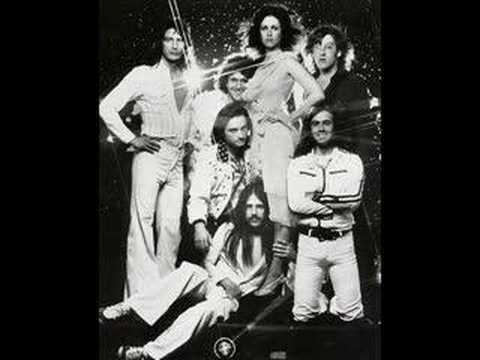
By the start of 1981, Jefferson Starship found themselves at a genuine crossroads. The band had just gone through a significant lineup shake-up, with founding vocalist Grace Slick departing and singer Mickey Thomas stepping more fully into the spotlight alongside guitarist and vocalist Paul Kantner. Rather than treating that transition as a liability, the band leaned into it, crafting an album, Modern Times, built around a leaner, harder-edged rock sound designed to reintroduce the group to a new generation of arena-rock listeners. "Find Your Way Back" became the lead single carrying that reinvention into the marketplace.
A Deliberate Rock Reboot
Producers behind the Modern Times sessions pushed for a tighter, more radio-friendly sound overall, trimming some of the sprawling instrumental passages that had characterized the band's earlier psychedelic-era work in favor of concise, hook-driven songwriting built for maximum impact within a standard three-to-four-minute single format.
Where earlier incarnations of the band, going back to their Jefferson Airplane roots, had been associated with psychedelic experimentation and countercultural messaging, this new version of the group aimed squarely at the more streamlined, guitar-driven rock sound dominating FM radio at the dawn of the 1980s. The song's urgent tempo and soaring vocal hook reflected that shift clearly, giving the band a sound that fit comfortably alongside other major rock acts of the period without abandoning the melodic instincts that had always defined their best work.
A Confident Return to the Top 40
The single entered the Billboard Hot 100 on April 4, 1981, debuting at number 81. Its climb was steady and sustained, moving to 66, then 51, then 42, then 36 across its first five weeks on the chart. That kind of consistent upward movement demonstrated real, growing radio support rather than a single burst of early attention. The song ultimately reached its peak of number 29 during the chart week of May 23, 1981, and it went on to spend an impressive thirteen weeks on the Hot 100, one of the longer chart runs the band would enjoy during this era.
Reestablishing Commercial Credibility
That thirteen-week run mattered enormously for a band navigating a major personnel transition, since it proved conclusively that audiences were willing to follow Jefferson Starship into this new chapter. Mickey Thomas's powerful, versatile voice gave the group a fresh identity distinct from the Grace Slick era, and the song's chart success validated the band's decision to pursue a more contemporary rock sound rather than clinging to their earlier psychedelic image.
Part of a Broader Album-Rock Wave
That crossover strategy proved especially valuable in 1981, a year when radio formats were becoming increasingly specialized, and any single act needed songs versatile enough to satisfy multiple, sometimes overlapping audience segments simultaneously in order to maximize its overall commercial reach.
"Find Your Way Back" also fit neatly into the broader album-oriented rock landscape of 1981, a period when radio format fragmentation increasingly rewarded bands who could deliver big, hook-driven singles built for both Top 40 and album-rock stations simultaneously. The song's combination of anthemic chorus and driving rhythm section gave it crossover appeal across those formats, helping extend the single's shelf life well beyond a typical two or three week radio push.
A Pivotal Moment in the Band's Evolution
Looking back, "Find Your Way Back" represents a genuine turning point for Jefferson Starship, the moment the band successfully demonstrated it could thrive under new creative leadership. The song's strong chart performance gave the group renewed commercial momentum heading into the rest of the decade, momentum that would carry them through several more successful singles in the years that followed. Give the track a listen and you can hear a veteran band finding a compelling new voice for a new decade.
"Find Your Way Back" — Jefferson Starship's singular moment on the 1980s charts.
02 Song Meaning
The Meaning Behind "Find Your Way Back" by Jefferson Starship
A Message of Reconnection
At its emotional core, the song addresses the idea of returning to something meaningful after a period of drift or distance, whether that distance is romantic, personal, or something more abstract. The title phrase itself, urging someone to find your way back, carries an inherent hopefulness, suggesting that reconnection remains possible even after significant separation. That message of perseverance gave the song broad emotional appeal beyond a narrowly defined romantic narrative.
An Anthem Built for Arena Audiences
That anthemic quality was very much intentional, part of a broader strategy to reposition the band for a decade defined by bigger, bolder rock production.
Musically and lyrically, the song was constructed to work as a rousing, communal singalong, the kind of track designed to resonate in large venues filled with fans singing the chorus back at the stage. That anthemic quality was very much intentional, reflecting the band's broader strategic shift toward big, accessible rock songwriting capable of filling arenas rather than smaller, more intimate club spaces the band had played in earlier incarnations.
Mickey Thomas's Vocal Delivery Carrying the Emotion
Much of the song's emotional power comes through in Mickey Thomas's vocal performance, a delivery that balances vulnerability with real conviction. His ability to shift between softer, more pleading passages and full-throated, powerful choruses gives the lyric's central plea genuine emotional weight, making the call to reconnect feel urgent rather than merely decorative.
A Reflection of the Band's Own Journey
Whether or not that parallel was consciously intended by the song's writers, it added an extra layer of resonance for longtime fans who had followed the band through its various lineup changes and stylistic shifts across more than a decade of recording.
There is also a layer of self-referential meaning worth considering, given the band's own significant lineup changes leading into this album cycle. A song about finding one's way back after a period of change resonated symbolically with the band's own situation, a group rebuilding its identity and searching for a renewed connection with its audience following Grace Slick's departure and the broader reshaping of its sound.
Universal Themes of Persistence
Beyond any specific romantic or professional interpretation, the song's central theme, that reconnection is always worth pursuing, speaks to a fairly universal human experience. Listeners going through their own periods of distance from loved ones, whether through conflict, circumstance, or simple drift, could easily map their own situations onto the song's hopeful, forward-looking lyric.
An Enduring Rock Radio Staple
Decades later, the song's driving energy and hopeful message continue to resonate with classic rock audiences, a reminder of just how effectively the band reinvented itself at the start of the 1980s. That combination of emotional sincerity and arena-ready production remains exactly what gives "Find Your Way Back" its lasting appeal on rock radio today.
→ More from Jefferson Starship
View all Jefferson Starship hits →


→ More from the 1980s File
View all 1980s hits →



Keep digging