The 1980s File Feature
The Pleasure Principle
The Pleasure Principle by Janet Jackson The late 1980s witnessed the rise of one of pop's most influential figures, an artist who fused dance, rhythm, and se…
01 The Story
"The Pleasure Principle" by Janet Jackson
The late 1980s witnessed the rise of one of pop's most influential figures, an artist who fused dance, rhythm, and self-assertion into a thrilling new template. Janet Jackson had stepped decisively out of her famous family's shadow, and "The Pleasure Principle" was a dazzling demonstration of her independence, both musically and personally. It was a song about taking control, set to an irresistible dance groove.
Stepping Into Her Own
By 1987, Janet Jackson had transformed herself into a major star in her own right, having seized creative control of her career with landmark results. "The Pleasure Principle" was one of several hit singles from her breakthrough album Control, the record that established her as a force to be reckoned with. The album's very title announced its theme, and this song embodied it perfectly, a declaration of self-reliance from a young woman determined to define her own life. It was a key moment in one of the most successful albums of the decade.
The Sound of Self-Reliance
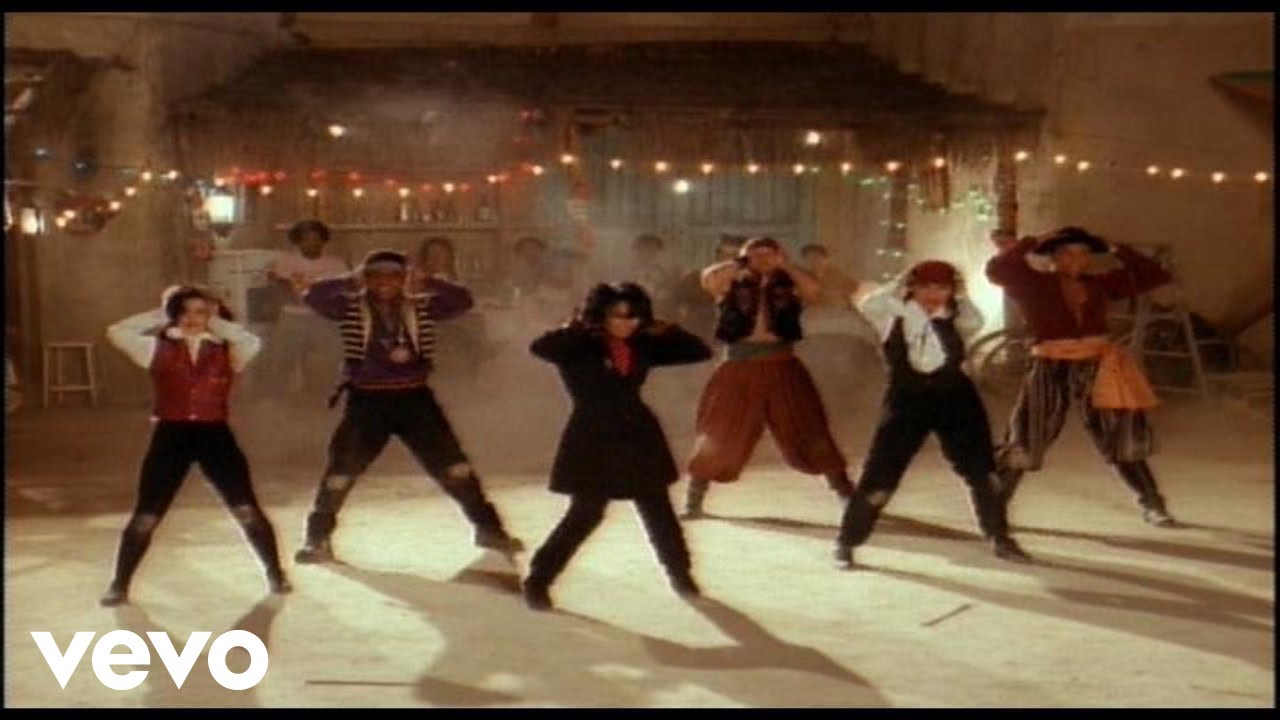
The track is a sleek, funky dance number built on the innovative, rhythm-forward production that defined the album's groundbreaking sound. The beat is sharp and propulsive, perfect for the dance floor, while Jackson's vocal delivers its message of independence with cool confidence. The song became especially famous for its accompanying music video, featuring Jackson's remarkable solo dance performance, a tour de force of choreography that showcased her formidable skills as a dancer and helped define her as a complete performer. The visual and the music together made an unforgettable statement.
The Chart Run
"The Pleasure Principle" debuted on the Billboard Hot 100 on May 23, 1987, at number 78, then climbed steadily through the summer. It reached its peak of number 14 on August 1, 1987, and enjoyed a solid run of eighteen weeks on the chart. It was yet another successful single from an album that produced an extraordinary string of hits, further cementing Jackson's arrival as a major pop star. On the dance and R&B charts the song performed even more strongly, reflecting its powerful appeal on the dance floor.
A Statement of Independence
The song stands as one of the defining moments of Janet Jackson's breakthrough era, a track that captured both her musical innovation and her message of self-determination. The track has gathered more than 30 million YouTube views, a testament to its lasting appeal and the iconic status of its dance-driven video. It helped establish her as one of the most influential artists of her generation, a performer who combined cutting-edge sound, dazzling dance, and a powerful message of personal empowerment.
Stepping Out of a Famous Shadow
The significance of this era in Janet Jackson's career is hard to overstate. Coming from one of the most famous musical families in the world, she faced the daunting challenge of establishing her own identity apart from her enormously successful relatives. The album Control was her decisive answer, a record on which she took charge of her own creative direction and announced herself as an artist with her own distinct vision. "The Pleasure Principle" was a crucial part of that statement, both in its message of self-reliance and in its showcase of her formidable abilities as a dancer and performer. The famous solo dance video, in particular, established her as a complete entertainer in her own right, not merely a member of a famous clan. The song's theme of taking control mirrored exactly what she was doing with her career, making it a kind of artistic declaration of independence. By the end of this era, no one could doubt that Janet Jackson was a major star entirely on her own terms, and songs like this one were how she proved it.
Confident and Cool
The song still moves with the same sleek confidence it had on release, a danceable anthem of self-reliance from an artist coming fully into her power. It is the sound of a young woman declaring independence and backing it up with undeniable style. Press play and let its sharp groove and assured message remind you why Janet Jackson became such a defining force in pop.
"The Pleasure Principle" — Janet Jackson's singular moment on the 1980s charts.
02 Song Meaning
The Meaning Behind "The Pleasure Principle"
"The Pleasure Principle" is a song about self-reliance and the realization that true happiness comes from within rather than from a relationship. At its core, it is a declaration of independence, the sound of someone choosing their own fulfillment over a partner who no longer serves them.
Happiness From Within
The central message is that lasting contentment cannot depend on another person. The song expresses the realization that chasing pleasure or validation through a relationship leads nowhere if you have not found peace within yourself. The narrator recognizes that she does not need a partner to be whole, choosing instead to rely on her own strength and resources. That insight, that self-worth must come from inside, is the heart of the song's empowering message.
Walking Away on Her Own Terms
The song carries a strong theme of leaving a relationship that has run its course. Rather than clinging to something unsatisfying, the narrator chooses to walk away and reclaim her independence. There is no desperation or pleading in that decision, only calm resolve. The song frames the departure as an act of strength and self-respect, a refusal to settle for less than she deserves. It treats the breakup as a liberation rather than a loss.
Control as Empowerment
Fitting with its parent album's theme, the song is fundamentally about taking control of one's own life. It champions the power of making your own choices and defining your own happiness, refusing to let anyone else dictate your worth or your direction. That message of personal agency was especially powerful coming from a young woman asserting herself, and it resonated as an anthem of self-determination for listeners who needed permission to take charge of their own lives.
The Body and the Spirit
The song's energetic, dance-driven nature reinforces its meaning in a physical way. The act of dancing alone, as captured so memorably in the video, becomes a metaphor for self-sufficiency and joy found in oneself. The narrator does not need a partner to move, to celebrate, or to feel alive. That image of solo strength and freedom gives the song's message of independence a vivid, embodied form that words alone could not convey.
Why It Resonated
The song connected because its message of self-reliance and empowerment was both timely and timeless, delivered with infectious energy and cool confidence. Listeners, especially young women, responded to its insistence that happiness and worth come from within. By pairing that empowering message with an irresistible dance groove and an iconic performance, Janet Jackson created an anthem of independence that inspired people to take control of their own lives, which is exactly why it endured.
→ More from Janet Jackson
View all Janet Jackson hits →



→ More from the 1980s File
View all 1980s hits →




Keep digging