The 1980s File Feature
Gravity
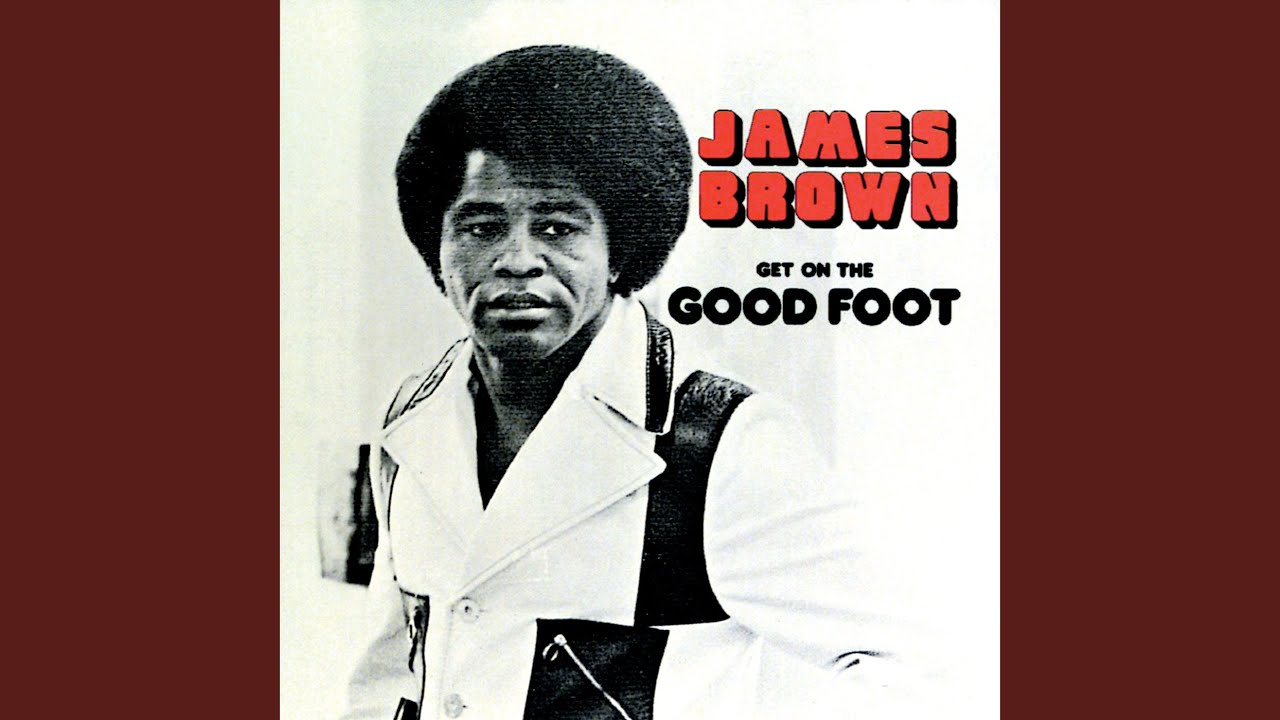
Gravity by James Brown There's something undeniably commanding about the presence of James Brown, the self-proclaimed Godfather of Soul whose influence on po…
01 The Story
"Gravity" by James Brown
There's something undeniably commanding about the presence of James Brown, the self-proclaimed Godfather of Soul whose influence on popular music is almost impossible to overstate. By the mid-1980s, the legendary performer was experiencing a career resurgence, and "Gravity" arrived as part of that renewed momentum. The song found Brown adapting his sound to the contemporary production styles of the era, a glossy, energetic track that brought the soul icon into the synthesized, drum-machine-driven world of 1980s pop.
The Godfather of Soul
James Brown was one of the most important and influential figures in the history of popular music. His revolutionary innovations in funk and soul had shaped countless genres, and his electrifying live performances were the stuff of legend. Brown's influence extended across funk, soul, hip-hop, and beyond, his rhythmic innovations becoming foundational to modern music. By the mid-1980s, after decades of pioneering work, he was enjoying a resurgence in popularity, helped by renewed cultural attention. "Gravity" came from this period, an attempt to update his classic sound for the contemporary pop landscape, pairing the Godfather of Soul with the polished production techniques of the 1980s.
A Contemporary Update
"Gravity" embodies Brown's mid-1980s effort to adapt to the era's production styles. The arrangement incorporates the synthesizers, drum machines, and glossy production that characterized 1980s pop and R&B, a notable shift from his raw, funk-driven classics. The song was the title track of his 1986 album Gravity, which aimed to bring his sound into the contemporary mainstream. Brown's unmistakable voice and energy remained at the center, but the production reflected the polished, electronic textures of the time. The result was a modernized take on his signature style, the Godfather of Soul navigating a changed musical landscape with his characteristic charisma intact.
A Brief Chart Appearance
The single made only a modest appearance on the pop chart. "Gravity" debuted and peaked on the Billboard Hot 100 on October 18, 1986 at number 93. It spent two weeks on the Hot 100 before slipping away. While its chart showing was brief, the song was part of a broader resurgence for Brown during this period, which would soon yield an even bigger hit. The modest performance reflected the challenge any veteran artist faced in adapting to a rapidly changing pop landscape, but it demonstrated Brown's willingness to evolve and engage with contemporary sounds.
Part of a Legendary Legacy
This single belongs to the resurgent mid-1980s chapter of James Brown's monumental career. Brown would be remembered as one of the most influential musicians of the twentieth century, his innovations shaping the very foundations of modern popular music. "Gravity" captures a moment when the soul legend engaged with contemporary production, an interesting entry in a catalog defined by groundbreaking funk and soul. For fans of Brown, the song offers a glimpse of the Godfather adapting to a new era, his charisma and energy undimmed even amid the synthesized textures of 1980s pop.
Why It Still Intrigues
Heard today, "Gravity" offers an interesting window into a legend navigating a changing musical world, Brown's energy and charisma shining through the contemporary production. The groove moves, the voice commands, the spirit of the Godfather remains. Press play and hear James Brown engaging with the sound of the 1980s, and you'll appreciate the adaptability of a true musical pioneer. There is something admirable in a legend of his stature refusing to rest on his immense legacy, choosing instead to engage with the sounds of a new generation. Not every such experiment fully succeeds, but the willingness to try reflects the restless creative spirit that made Brown a pioneer in the first place. His energy and charisma were simply too powerful to be contained by any single era. It is a soul legend meeting a new era on his own energetic terms.
"Gravity" — James Brown's singular moment on the 1980s charts.
02 Song Meaning
The Meaning Behind "Gravity"
"Gravity" uses its title concept as a metaphor for the powerful, irresistible pull of attraction, energy, and forward momentum. The song channels James Brown's characteristic themes of vitality and movement, treating gravity as a force that draws people together and keeps them moving. It is an energetic celebration of attraction and life force, delivered with the charisma and dynamism that defined the Godfather of Soul.
The Pull of Attraction
The central metaphor likens powerful attraction to the force of gravity, an irresistible pull that draws people together. The song treats that attraction as a natural, unstoppable force, something that cannot be resisted any more than gravity itself. It channels the energy of desire and connection into an upbeat, dynamic celebration. The metaphor gives the song a sense of momentum and inevitability, the pull of one person toward another.
Energy and Vitality
Much of the song's meaning lies in its sheer energy. True to Brown's style, the track foregrounds vitality, movement, and dynamic force. The emotional message is one of irresistible energy and life, the characteristic vigor that defined the Godfather of Soul's music. That sense of unstoppable momentum, central to the song's appeal, channels Brown's lifelong celebration of rhythm and motion into a contemporary setting.
A Legend in a New Era
Culturally, the song reflects the mid-1980s moment when veteran artists adapted their sound to contemporary production. Brown brought his timeless themes of energy and attraction into the synthesized world of 1980s pop, demonstrating his adaptability. The song embodies that meeting of classic soul sensibility and modern production, a legend channeling his enduring vitality through the sounds of a new decade.
Why It Resonated
The song connected with listeners drawn to Brown's enduring charisma and energy. His celebration of attraction and vitality remained compelling even in a contemporary setting, and his unmistakable presence carried the track. The metaphor of gravity as the pull of attraction is both clever and universally relatable. While not among his biggest hits, the song endures as an example of the Godfather of Soul adapting his timeless themes to a new era, a reminder that his vital, irresistible energy could shine through whatever production surrounded it. The metaphor at its center, of attraction as an unstoppable natural force, reflects Brown's lifelong celebration of rhythm, movement, and the pure life force of music. That celebration never dimmed, no matter how the surrounding sounds changed around him. Whatever the production, Brown's essential message remained the same, a joyful insistence on energy, motion, and the irresistible pull of life itself. That message defined his entire body of work, and it remained unmistakably his even when dressed in the synthetic sounds of a new decade.
→ More from James Brown
View all James Brown hits →



→ More from the 1980s File
View all 1980s hits →

Keep digging