The 1980s File Feature
I Want You So Bad
I Want You So Bad: Heart's Power Ballad Moment in the Late 1980s Heart's commercial resurgence in the mid-1980s stands as one of the more dramatic second-act…
01 The Story
I Want You So Bad: Heart's Power Ballad Moment in the Late 1980s
Heart's commercial resurgence in the mid-1980s stands as one of the more dramatic second-act stories in rock music. The Wilson sisters, Ann and Nancy, had been significant album-rock figures in the mid-1970s with records like "Dreamboat Annie" and "Little Queen," but a series of commercial and personal difficulties had reduced their chart presence by the early 1980s. The move to Capitol Records and the 1985 album simply titled "Heart" launched an extraordinary hot streak of radio hits that made the group one of the dominant forces in mainstream rock for the remainder of the decade.
"I Want You So Bad" appeared on the 1988 album "Bad Animals" on Capitol Records, the follow-up to the self-titled album and "Bad Animals" predecessor. The record was produced by Ron Nevison, who had been the primary architect of Heart's mid-1980s commercial sound, bringing a crisp, synthesizer-enhanced production style that fit the period's radio preferences while still leaving space for the guitar work that had always been central to Heart's identity. Nancy Wilson's guitar contributions remained a distinguishing element of the group's sound even as the production aesthetic evolved toward the keyboard-heavy textures that dominated mainstream rock in the late 1980s.
The "Bad Animals" album itself reached number 2 on the Billboard 200 and produced multiple Hot 100 hits, including "Alone," which became one of the biggest hits of 1987, and "Who Will You Run To," which also reached the top 10. "I Want You So Bad" extended the album's commercial run into 1988 and demonstrated that Heart's renewed pop appeal was not a one-cycle phenomenon but a sustained commercial position that the group had genuinely reclaimed.
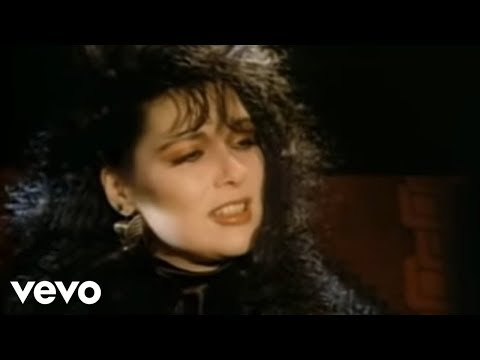
Ann Wilson's vocal performance on "I Want You So Bad" exemplified the qualities that had made her one of rock music's most respected singers across two decades: the power and range were still fully present, but now deployed within a more polished, radio-friendly context that producers like Ron Nevison had helped her navigate. The challenge for any established rock vocalist in the late 1980s production environment was to maintain artistic credibility while adapting to a sonic landscape dominated by gated drums, synthesizer pads, and compressed mixes that flattered certain voices while exposing the limitations of others. Wilson navigated that challenge more successfully than most of her contemporaries.
The single's chart performance reflected the sustained commercial momentum that "Bad Animals" had generated. Capitol Records' promotional infrastructure was fully engaged behind the album, and "I Want You So Bad" received consistent rotation on both rock-oriented radio formats and the adult contemporary stations that had become increasingly important to Heart's audience during the mid-1980s resurgence. The record's mix of emotional directness and production polish was precisely calibrated for the dual-format appeal that defined Heart's commercial strategy in the period.
Ron Nevison's production on the track exemplifies the late-1980s mainstream rock aesthetic at a high level of execution: the drums are large and precisely placed, the guitars are present but carefully balanced against the keyboard elements, and the vocal is front and center in a mix that was clearly designed for maximum radio impact. This approach had proven commercially effective with the previous two Heart albums and continued to serve the group well on "Bad Animals," which was among the most commercially successful albums Capitol Records released in 1987 and 1988.
Heart's position in the late 1980s rock landscape was somewhat anomalous: a group identified with the album-rock era of the 1970s that had successfully reinvented itself as a force in the glossier, more production-conscious rock mainstream of the Reagan era. "I Want You So Bad" is a product of that reinvention, reflecting both the musical values Heart had always held and the production conventions of the moment in which it was made. The combination produced a record that sounded thoroughly of its time while benefiting from the accumulated artistic credibility that the Wilson sisters had built over more than a decade of serious recording.
The Bad Animals era is now regarded as Heart's commercial peak, and "I Want You So Bad" is one of the singles that sustained that peak well beyond the initial burst of attention that "Alone" had generated. For a group that had been written off in the early 1980s, the sustained commercial performance of the Capitol Records period represented a remarkable vindication of the Wilson sisters' determination to remain active and relevant in a music industry that was not always kind to artists attempting second acts.
02 Song Meaning
I Want You So Bad: Desire, Directness, and the Rock Ballad's Emotional Economy
"I Want You So Bad" operates with the direct, unadorned emotional declaration that power ballads of the late 1980s treated as their primary currency. The title is the thesis, and the song's lyrical and musical architecture works to build the case for the intensity it announces, using verse narrative to establish context before the chorus delivers the central declaration with maximum force. This structural simplicity is not a failure of imagination but a deliberate choice: the song trusts its central emotion to carry the record if given sufficient vocal power behind it, and Ann Wilson provides exactly that.
The emotional content of the song is uncomplicated desire, presented without the psychological ambivalence or retrospective analysis that characterized some of the more emotionally sophisticated pop balladry of the period. The narrator wants, clearly and completely, without qualification. This directness was itself a kind of statement in a pop landscape that often hedged emotional declarations with irony or complication. Heart's willingness to inhabit desire straightforwardly, and to give that inhabitation full vocal commitment, was part of what distinguished them from more self-conscious contemporaries.
Ann Wilson's performance is the primary vehicle of the song's meaning. Her ability to vary dynamic level, from conversational verse to full-voiced chorus, within a single coherent emotional arc is the technical achievement that makes the record work emotionally. Listeners hear the desire building through the song's structure because Wilson performs that building rather than simply describing it, a distinction that separates great rock vocal performances from competent ones.
Nancy Wilson's guitar work, present throughout but strategically deployed for maximum impact at key structural moments, provides a second emotional voice in the arrangement. The interplay between the lead vocal and the guitar gestures that punctuate the chorus creates a kind of musical conversation that enriches the song's sense of urgency. Ron Nevison's production understood how to balance these elements so that the guitar enhanced the vocal rather than competing with it, a balance that was not always well-managed in the dense, multi-layered productions that characterized mainstream rock at the time.
For Heart's catalog, "I Want You So Bad" represents the consistent application of the formula that had made their Capitol Records revival so commercially successful. The group had discovered in the mid-1980s that their greatest strengths, Ann Wilson's voice and Nancy Wilson's guitar combined in the service of direct emotional material, were as commercially viable in the synthesizer-heavy landscape of the late 1980s as they had been in the harder-rocking context of their 1970s prime. "I Want You So Bad" confirms that discovery rather than expanding on it, but confirmation of a genuine formula is itself artistically valuable.
The song's placement within the larger context of late-1980s rock balladry reveals how precisely calibrated it was for its moment. Bands like Bon Jovi, Def Leppard, and Whitesnake were all pursuing similar emotional and sonic territory, and the competition for radio play and audience attention among power ballads was intense. Heart's ability to compete successfully in that environment, drawing on deeper roots and greater accumulated vocal authority than most of their contemporaries, speaks to the durability of what the Wilson sisters had built over their entire career. "I Want You So Bad" is not a career-defining statement but it is a professionally executed, emotionally effective record that served its commercial purpose with distinction.
→ More from Heart
View all Heart hits →



→ More from the 1980s File
View all 1980s hits →

Keep digging