The 1980s File Feature
Sex Crime (Nineteen Eighty-Four)
The Rise of Sex Crime (Nineteen Eighty-Four) by Eurythmics Picture the synth-pop landscape of 1984, when one of the era's most innovative and visually striki…
01 The Story
The Rise of "Sex Crime (Nineteen Eighty-Four)" by Eurythmics
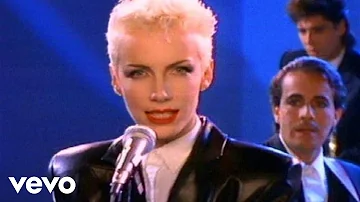
Picture the synth-pop landscape of 1984, when one of the era's most innovative and visually striking duos was applying their art to a literary masterpiece. Eurythmics had become global stars on the strength of their cool, electronic sound and the commanding presence of Annie Lennox. With "Sex Crime (Nineteen Eighty-Four)," they ventured into ambitious new territory, crafting music for a film adaptation of George Orwell's dystopian novel and producing a single as dark and provocative as its source.
Synth-Pop Innovators
By 1984, Eurythmics had established themselves as one of the most distinctive acts of the new wave era, the duo of Annie Lennox and Dave Stewart renowned for their sophisticated electronic productions and Lennox's powerful, androgynous presence. They had scored major international hits with their cool, atmospheric synth-pop and had become known for striking imagery and artistic ambition. The pair were invited to provide music for a new film adaptation of Orwell's celebrated novel, a project that suited their darker, more conceptual instincts. "Sex Crime (Nineteen Eighty-Four)" emerged as the centerpiece of that work. Scoring a film adaptation of such a revered novel was no small undertaking, demanding music that could match the weight and atmosphere of Orwell's vision rather than simply provide pleasant background. Eurythmics approached the challenge with characteristic seriousness, treating it as an opportunity for genuine artistic statement rather than a mere commercial commission.
A Dark And Provocative Single
"Sex Crime (Nineteen Eighty-Four)" was a brooding, atmospheric track that captured the oppressive, dystopian mood of its literary inspiration. The song channeled the themes of surveillance, control, and forbidden desire that defined Orwell's vision, set to Eurythmics' moody, electronic production. Lennox's commanding vocal lent the track an intensity that matched its weighty subject, while the dark, pulsing arrangement evoked the paranoia and repression of the novel's nightmarish world. It was an ambitious, provocative piece, far removed from conventional pop fare and reflective of the duo's artistic daring. The willingness to court controversy with such a provocative title and theme spoke to their confidence and their refusal to play it safe. Where many acts would have softened the material for mainstream consumption, Eurythmics leaned into its darkness, trusting their audience to follow them into difficult territory.
A Modest American Showing
On the American chart, the single made only a modest mark, though it fared far better in other markets. "Sex Crime (Nineteen Eighty-Four)" debuted on the Billboard Hot 100 on November 24, 1984 at number 86, then peaked at number 81 in the week of December 1, 1984. The single spent 4 weeks on the chart before departing. The provocative title and dark, unconventional theme likely limited its mainstream American radio appeal, even as the song found greater success and acclaim elsewhere in the world.
An Ambitious Artistic Statement
The significance of "Sex Crime (Nineteen Eighty-Four)" lies in its ambition. Rather than chase a conventional hit, Eurythmics used their considerable talents to engage with one of the twentieth century's most important literary works, creating music that matched its dark, dystopian themes. The project demonstrated the duo's willingness to take creative risks and to use pop music as a vehicle for serious artistic expression. It stands as a bold, atmospheric work that showcased their range and their commitment to creative adventure.
A Bold Listen Worth Revisiting
For fans of Eurythmics or atmospheric, conceptually ambitious pop, "Sex Crime (Nineteen Eighty-Four)" offers a dark and compelling experience. It captures the duo at their most artistically daring, channeling a literary masterpiece into moody, electronic music. Put it on and let its brooding intensity draw you into its dystopian world. The atmosphere it conjures is as unsettling and immersive now as it was on release. Few pop acts have ever engaged with such weighty material so boldly.
"Sex Crime (Nineteen Eighty-Four)" — Eurythmics' singular moment on the 1980s charts.
02 Song Meaning
The Meaning Behind "Sex Crime (Nineteen Eighty-Four)" by Eurythmics
At its heart, "Sex Crime (Nineteen Eighty-Four)" draws on the themes of George Orwell's dystopian novel, exploring surveillance, control, and the forbidden nature of love and desire in a repressive society. The song channels the paranoia and rebellion of a world where even private feeling becomes a crime against the state.
Desire As Rebellion
The central idea of the song, drawn from Orwell's novel, is that in a totalitarian society, love and desire become acts of defiance. When the state controls every aspect of life, even intimacy is forbidden and dangerous. The central theme is forbidden love under oppression, the way personal feeling becomes a form of rebellion against a controlling regime. It is a dark and powerful concept, treating desire as both a crime against the state and a profound act of human resistance.
Surveillance And Control
The song evokes the atmosphere of constant surveillance that defines Orwell's vision, a world where the individual is always watched and never free. The mood is one of paranoia and repression, capturing the suffocating control of a totalitarian state. That oppressive atmosphere gives the song its dark intensity, reflecting the novel's chilling portrait of a society where freedom and privacy have been utterly extinguished, leaving the individual exposed and powerless.
A Literary Source
By drawing directly on one of the most important novels of the twentieth century, the song carries unusual weight and ambition. It engages with serious themes of freedom, power, and humanity, far beyond the typical concerns of pop music. That literary grounding gives the song a depth and resonance that set it apart, connecting it to enduring questions about the relationship between the individual and the state, and the resilience of human feeling under oppression.
Why It Resonated
The song connected with those drawn to its dark themes and artistic ambition. The fears of surveillance and lost freedom are perennially relevant, and the song gave them a powerful, atmospheric voice. Listeners moved by Orwell's vision found in the song a fitting musical companion, while fans of Eurythmics appreciated the duo's willingness to tackle such weighty material. Its provocative intensity made it impossible to ignore, a song that demanded engagement rather than passive listening.
A Lasting Warning
What gives the song its enduring power is the timelessness of its themes. The dangers of surveillance, control, and the suppression of human freedom never lose their relevance. By channeling Orwell's dystopian vision through their dark, atmospheric sound, Eurythmics created a song that doubles as both art and warning, a reminder of the preciousness of freedom and the resilience of love even in the darkest and most repressive of times.
→ More from Eurythmics
View all Eurythmics hits →



→ More from the 1980s File
View all 1980s hits →



Keep digging