The 1980s File Feature
It Hurts Too Much
Eric Carmen's Aching It Hurts Too Much Greets the 1980s Eric Carmen built his name on grand, emotionally charged pop, the kind of music that wore its heart o…
01 The Story
Eric Carmen's Aching "It Hurts Too Much" Greets the 1980s
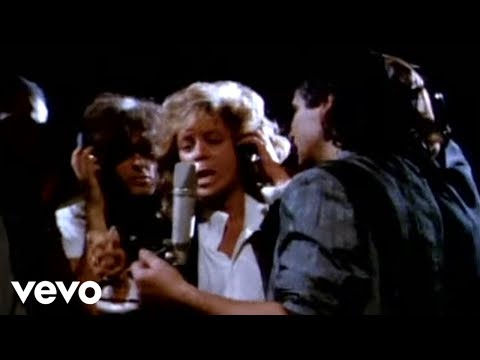
Eric Carmen built his name on grand, emotionally charged pop, the kind of music that wore its heart on its sleeve. Having first risen with the power-pop band the Raspberries before launching a successful solo career, he became a master of the lush ballad and the dramatic pop hook. As the 1980s dawned, "It Hurts Too Much" found him doing what he did best: channeling heartbreak into melody, delivering a song of romantic pain with the soaring conviction that defined his style.
A Pop Craftsman With a Track Record
Carmen arrived at this single as a proven hitmaker. He had scored major solo successes in the 1970s with grand, emotionally sweeping ballads that showcased his classically influenced songwriting. His gift for marrying lush melody with raw feeling made him one of the era's distinctive voices. By 1980 he was a seasoned artist navigating the transition into a new decade, and "It Hurts Too Much" reflected his enduring command of the dramatic pop ballad, a form he had helped popularize with some of his biggest earlier hits.
Heartbreak Set to Soaring Melody
The song itself trades in the emotional intensity that was Carmen's signature. The arrangement builds around his expressive vocal, framing a tale of romantic anguish in sweeping, melodic terms. There is real drama in the delivery, the sound of an artist who understood how to make heartache feel cinematic. Carmen had a way of taking personal pain and inflating it to widescreen proportions, and this track follows that template, offering listeners a richly felt portrait of love that has gone wrong.
A Brief Appearance on the Hot 100
On the charts, the single had a short and modest run as the new decade began. "It Hurts Too Much" debuted on the Billboard Hot 100 dated July 12, 1980, at number 77. It edged up the following week, peaking at number 75 on the chart dated July 19, 1980. The song spent just two weeks on the Hot 100 before slipping away. A peak in the seventies made it a minor entry compared to Carmen's bigger triumphs, a sign of how competitive the pop landscape had become as tastes shifted at the dawn of the 1980s.
One More Heartfelt Entry
Set against Carmen's larger catalog, "It Hurts Too Much" is a smaller but characteristic piece. His legacy rests on his most enduring ballads, which remain beloved staples of soft rock and adult contemporary radio. This single demonstrates the consistency of his emotional approach, even when the chart returns were modest. For admirers of his lush, heart-on-sleeve style, it offers another example of an artist who never shied away from big feelings, delivering romantic pain with all the drama it deserved.
A Classically Minded Pop Romantic
One of the things that distinguished Carmen from many of his contemporaries was his evident grounding in classical music. His most famous ballads drew openly on the grand melodic traditions of the great Romantic composers, lending his pop a sweep and gravity that few of his peers attempted. That sensibility shaped everything he did, including a song like "It Hurts Too Much," where heartbreak is treated not as a passing mood but as a sweeping, almost operatic event. This was an artist who genuinely believed that pop music could carry the weight of serious emotion, and he built his career on proving it.
Weathering the Turn of the Decade
The dawn of the 1980s was a tricky time for a balladeer of Carmen's stripe. New wave, synth-pop, and a harder-edged rock were reshaping the charts, and the lush, emotionally maximal style he favored was beginning to feel like a holdover from an earlier moment. That shifting landscape helps explain the modest chart performance of this single, which arrived just as tastes were moving on. Yet Carmen stayed true to his instincts rather than chasing trends, and the durability of his best-known work suggests that audiences never fully lost their appetite for the kind of grand romantic feeling he specialized in. He would, in fact, enjoy major successes again later in the decade.
Cue it up and let the melody swell; this is Eric Carmen reminding you that few singers could make heartbreak sound quite so grand.
"It Hurts Too Much" — Eric Carmen's singular moment on the 1980s charts.
02 Song Meaning
The Raw Pain at the Center of "It Hurts Too Much"
"It Hurts Too Much" is a song about the overwhelming agony of heartbreak, the kind of romantic pain that feels impossible to bear. The title leaves no ambiguity: this is an unfiltered expression of emotional suffering, the cry of someone wounded by love. Eric Carmen built his reputation on songs exactly like this, and here he gives full voice to the ache of a relationship gone wrong.
The Anguish of Lost Love
The central theme is the pain of heartbreak. The lyrics convey the deep hurt of loving someone when that love brings more sorrow than joy. There is a sense of being trapped by feelings that have become unbearable, of a heart pushed past its limit. The song paraphrases the universal experience of loving someone who causes you pain, and the difficulty of letting go even when staying hurts too much to continue.
Emotion Turned Up to Full
What defines the song emotionally is its intensity. Rather than understating the pain, it embraces melodrama, amplifying heartbreak into something sweeping and cinematic. This was Carmen's specialty, the grand emotional gesture rendered in lush melody. The song does not whisper its sorrow; it declares it, giving the listener permission to feel their own heartbreak just as deeply. That maximal approach was central to his appeal as a balladeer.
A Song for the Lovelorn
The cultural context places the song in a long tradition. The dramatic pop ballad of romantic suffering was a staple of late-seventies and early-eighties radio, offering catharsis to anyone nursing a broken heart. Carmen was one of the form's great practitioners, and this song fit squarely within an era that prized big, emotionally direct music. It spoke to listeners who wanted their heartbreak validated and dramatized rather than minimized.
Why It Resonated
The song connected because its pain is so widely shared. Listeners related to the raw, honest expression of romantic suffering that nearly everyone experiences at some point. There is comfort in hearing your own heartache reflected back with such conviction. By giving voice to feelings too intense to put into words, the song offered a kind of release, turning private pain into a shared emotional experience.
A Cathartic Release
What endures is the song's emotional honesty. It does not pretend heartbreak is easy or quick to heal; it simply names the pain and lets it ring out. The meaning is rooted in the timeless human experience of loving and losing, and the catharsis that comes from expressing that hurt fully. That willingness to feel deeply is exactly what made Eric Carmen such a resonant voice for the brokenhearted. In refusing to dilute the pain or rush toward false comfort, the song honors the genuine weight of loss, and that respect for real emotion is why listeners nursing their own heartbreak have always found a companion in his music.
→ More from Eric Carmen
View all Eric Carmen hits →

→ More from the 1980s File
View all 1980s hits →
Keep digging