The 1980s File Feature
Nobody Wins
The Story Behind Elton John's Nobody Wins A Superstar Experimenting with New Sonic Territory By 1981, Elton John had already established himself as one of th…
01 The Story
The Story Behind Elton John's "Nobody Wins"
A Superstar Experimenting with New Sonic Territory
By 1981, Elton John had already established himself as one of the most commercially and critically successful recording artists of the entire decade prior, having built an extraordinary catalog of hit singles throughout the 1970s. This particular single arrived during a period of genuine sonic experimentation, as he explored a more contemporary, synthesizer-influenced production style distinctly different from his earlier, more piano-centric signature sound.
A Sound Rooted in New Wave-Influenced Pop
The recording showcased John's willingness to embrace contemporary early-1980s production trends, pairing his instantly recognizable vocal style with a more angular, new wave-influenced arrangement that reflected his continued artistic curiosity even well over a decade into an already extraordinarily successful recording career.
A Solid Mid-Career Chart Showing
The single debuted on the Billboard chart on May 9, 1981, and climbed steadily to reach a peak position of number 21 during the week of June 20, 1981. The song's total chart run lasted an impressive thirteen weeks, a solid showing that confirmed John's continued commercial relevance even as the broader pop landscape shifted considerably around him.
Part of a Genuine Artistic Reinvention Period
This single arrived during a genuinely interesting transitional stretch for John, as he worked to adapt his established sound for a new decade's changing musical tastes, demonstrating real artistic flexibility that helped distinguish him from other 1970s superstars struggling to maintain commercial relevance during the same period.
A Voice Built on Enduring Vocal Distinctiveness
What continued to distinguish John's approach throughout this recording was his unmistakable, instantly recognizable vocal delivery, applying that established distinctive style to genuinely new sonic territory rather than simply repeating familiar earlier formulas. This genuine artistic curiosity helped keep his catalog feeling fresh throughout this period.
Part of Early-1980s Pop's Broader Sonic Shift
Music historians revisiting the early-1980s pop landscape often point to recordings like this one as evidence of how thoroughly the broader musical mainstream was embracing synthesizer-driven, new wave-influenced production, with even established 1970s superstars like John adapting accordingly.
A Reflection of Genuine Artistic Adaptability
This particular single, though never approaching the massive commercial dominance of John's biggest 1970s hits, nonetheless reveals the same genuine artistic adaptability that helped sustain his remarkably long and continuously successful recording career throughout multiple subsequent decades.
A Snapshot of an Icon's Ongoing Evolution
This single also captured a broader moment in John's remarkably long career, as he continued demonstrating genuine artistic flexibility well over a decade after his initial breakthrough. His willingness to embrace new production trends throughout this period distinguished him from other 1970s superstars struggling to maintain relevance amid changing tastes.
A Transitional Marker in a Legendary Career
This recording continues serving as a genuinely interesting marker within broader discussions of John's remarkable career longevity, representing a moment when he demonstrated real willingness to evolve rather than simply rest on his already extraordinary earlier commercial success.
A Worthwhile Piece of Pop History
Today, the recording remains a genuinely interesting listen for anyone exploring John's often-overlooked early-1980s transitional period. Press play and you can hear real artistic curiosity still driving one of pop's most enduring talents. That achievement remains genuinely notable given how dramatically the broader pop landscape had shifted since John's initial 1970s commercial breakthrough period. It stands as a genuinely interesting footnote within John's remarkably long and consistently evolving catalog. The recording's artistic curiosity ultimately proved essential to sustaining John's remarkably long and continuously relevant recording career. It remains a genuinely rewarding discovery for listeners exploring the deeper corners of John's remarkably extensive catalog. Its reputation continues to grow steadily among dedicated fans revisiting the deeper, less celebrated corners of John's extraordinary catalog. Fans of John's broader catalog continue rediscovering this particular recording with genuine and lasting enthusiasm today.
"Nobody Wins" — Elton John's singular moment on the 1980s charts.
02 Song Meaning
What "Nobody Wins" by Elton John Is Really About
A Meditation on Mutual Destruction in Conflict
At its core, this song explores the futility of ongoing conflict, whether romantic or otherwise, using its direct central refrain to suggest that sustained fighting and discord ultimately leaves every involved party worse off, a genuinely mature thematic perspective on the true cost of unresolved interpersonal struggle.
Elton John's Distinctive, Urgent Delivery
Elton John's distinctive, urgently paced vocal delivery brings genuine conviction to the song's cautionary central message, treating conflict and its consequences with real seriousness rather than detached observation. His considerable vocal presence elevates a straightforward thematic message into something genuinely compelling and memorable.
Early-1980s Pop's Tradition of Sonic Experimentation
This song fits comfortably within a broader early-1980s pop tradition of pairing angular, new wave-influenced production with genuinely thoughtful lyrical content, favoring contemporary sonic textures over the more traditional piano-driven balladry that had defined much of John's earlier celebrated catalog.
Futility as a Cautionary Lesson
Rather than assigning blame to any single party, the song frames ongoing conflict as a genuinely shared failure, suggesting that sustained discord represents a mutual loss rather than a contest with any real winner, a nuanced perspective uncommon in more straightforward romantic songwriting.
Angular Production Reinforcing Tension
The song's angular, contemporary production reinforces its cautionary lyrical themes perfectly, using tense, propulsive instrumentation to embody the genuine unease of ongoing conflict throughout the track's urgent, forward-driving runtime.
A Universal Lesson About Unresolved Conflict
Beyond its specific romantic framing, the song taps into a broadly relatable understanding that sustained conflict rarely produces genuine winners, a lesson that transcends any particular era or relationship and continues resonating with listeners navigating their own ongoing disputes.
Why the Message Still Resonates
Even decades after its original release, the song's mature exploration of conflict's true cost remains genuinely relevant, a reminder that thoughtful, cautionary songwriting continues resonating powerfully across generations of listeners.
A Recording Built on Sonic Curiosity
The song's angular, contemporary production rewards close listening, revealing subtle textural detail that a single casual pass might easily overlook amid its immediately engaging, urgent surface energy throughout its memorable runtime. That mature, cautionary quality gives the recording a lasting relevance that continues distinguishing it from more simplistic contemporary pop songwriting of the same era.
A Song Reflecting Genuine Artistic Growth
Beyond its central cautionary message, the recording reflects John's broader willingness to grow artistically rather than simply repeat earlier successful formulas, a genuine creative curiosity that helps explain his unusually long and continuously relevant recording career. Its mature perspective only reinforces just how genuinely thoughtful John remained as a songwriter well over a decade into his celebrated career. That maturity still feels genuinely refreshing decades later, a reminder that thoughtful songwriting never truly goes out of style.
→ More from Elton John
View all Elton John hits →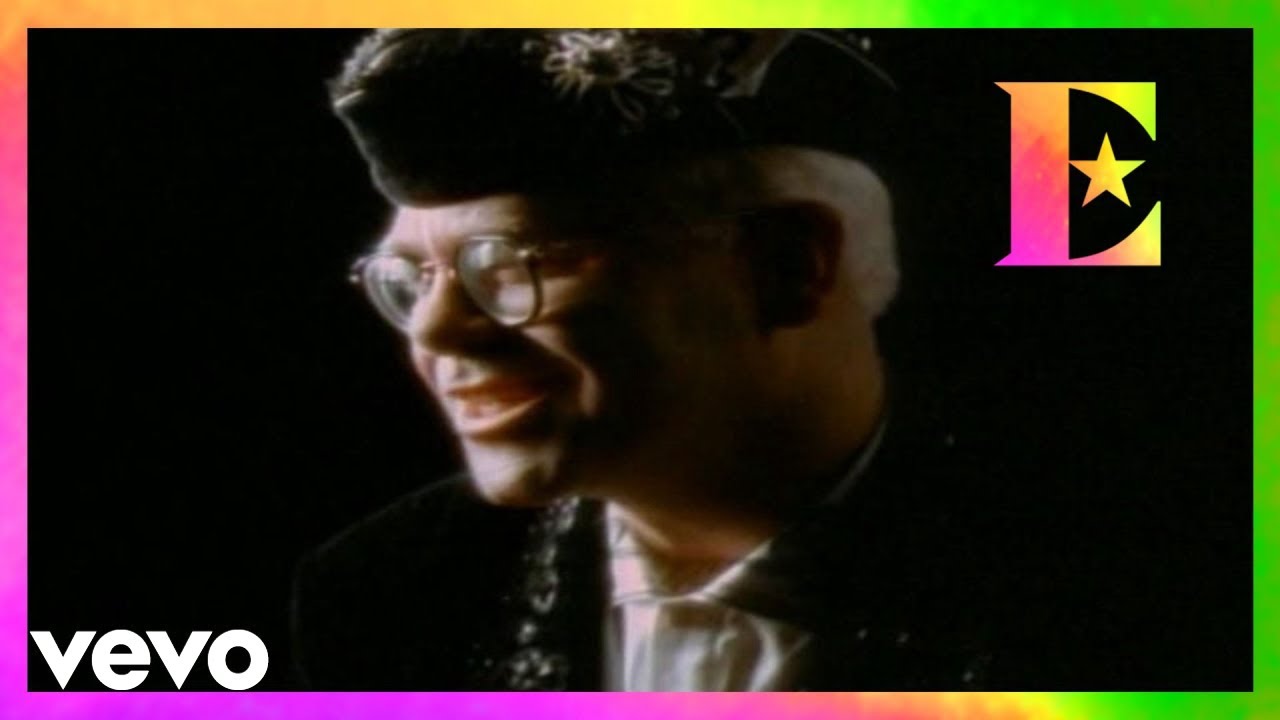




→ More from the 1980s File
View all 1980s hits →


Keep digging