The 1980s File Feature
Route 66/Behind The Wheel
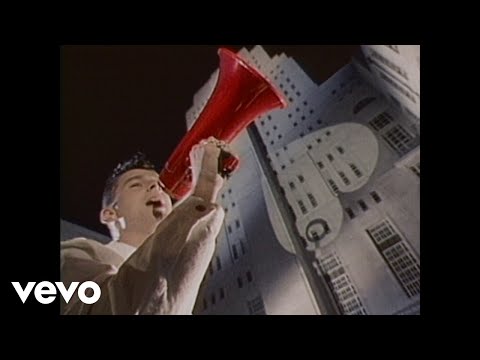
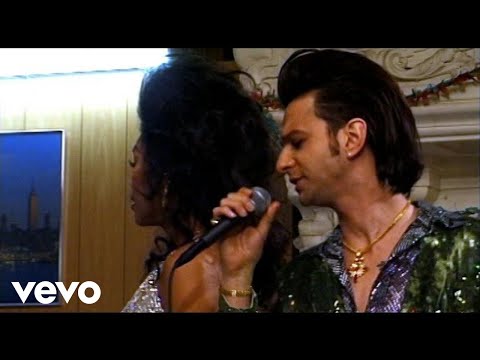
Depeche Mode s Behind the Wheel / Route 66 : Dark Pop Hits the Open Road There is a moody, nocturnal pull to this release, the sound of a band that had outgr…
01 The Story
Depeche Mode's "Behind the Wheel / Route 66": Dark Pop Hits the Open Road
There is a moody, nocturnal pull to this release, the sound of a band that had outgrown its synth-pop beginnings and was prowling toward something far more dangerous and seductive. By 1988 Depeche Mode were no longer the cheerful electronic upstarts of their early singles; they had become purveyors of brooding, sensual machine music. This double-sided single, pairing their own composition with a radically reimagined cover, captured that transformation in miniature.
A Band Shedding Its Skin
To understand the release, picture where Depeche Mode stood at the end of the eighties. The album Music for the Masses had pushed them toward grander, darker territory, and their American audience was swelling toward the stadium scale that the legendary 1988 Rose Bowl concert would soon confirm. The principal songwriter, Martin Gore, was crafting material steeped in themes of desire, control, and surrender, and the band's sound had grown denser and more cinematic. They were no longer chasing chart pop; they were building a cult that would explode into the mainstream.
Two Faces of One Single
The pairing on this single tells its own story. The original composition is a slow, hypnotic groove about yielding control in a relationship, all throbbing electronics and Dave Gahan's deepening croon. The flip side reinvents the old American standard Route 66, dragging the breezy road-trip classic into Depeche Mode's shadowy electronic world and transforming it into something sleek and faintly menacing. Together they showed a band confident enough to reshape a piece of pop history in its own image.
A Modest American Showing
On the American pop chart, the single had a comparatively quiet run, which says more about Depeche Mode's outsider status than about the music's quality. It debuted at number 91 on May 7, 1988, and climbed only as high as number 61 on the Billboard Hot 100, reaching that peak on May 21, 1988. It lingered for 11 weeks on the chart before fading. In the singles-driven world of American Top 40, the band remained a left-field proposition, even as their album sales and concert crowds told a much bigger story.
The Art of Reinventing a Standard
The decision to pair an original with a transformed cover deserves a closer look, because it reveals how Depeche Mode thought about their craft. Taking a sunny piece of Americana and reshaping it into something cool and shadowed was not mere novelty. It was a statement about the band's aesthetic, a demonstration that they could absorb any source material and bend it to their own dark vision. The familiar road-trip tune emerges in their hands as a sleek, faintly sinister machine, the open highway transformed from a symbol of freedom into something more ambiguous. That willingness to deconstruct and rebuild marked them as restless artists rather than simple hitmakers, and it endeared them to listeners who craved music with genuine ideas behind it.
An Influence That Outgrew the Chart
Numbers never told the truth about Depeche Mode. While this single posted modest figures on the American pop chart, the band's influence on alternative rock, electronic music, and the entire goth-tinged underground proved immense. The track endures as a fan favorite and a touchstone of their darker, more adult phase, a period that would soon push them to enormous stadium success. Its YouTube audience now stretches past 40 million views, a testament to how deeply the band's catalog continues to resonate with new listeners discovering electronic music's darker corners. The track stands as proof that chart numbers and lasting cultural weight do not always align, and that some of the most influential records of an era make their mark far from the top of the Hot 100. Slip it on and let that hypnotic pulse take the wheel.
"Route 66/Behind The Wheel" — Depeche Mode's singular moment on the 1980s charts.
02 Song Meaning
What "Behind the Wheel" Is Really About
This is a song about surrender, about the strange relief of handing over control to someone you trust or desire. Beneath its sleek electronic surface runs a current of submission and intimacy that made Depeche Mode one of the most psychologically complex pop acts of their era. It is seductive and a little unsettling at once.
The Pleasure of Letting Go
The central image is driving, but the lyrics use the road as a metaphor for a deeper dynamic. The narrator invites his partner to take charge, to steer the relationship while he gives himself over to the journey. This is desire framed as trust, the erotic charge of relinquishing the wheel to another person. Depeche Mode often explored power, control, and devotion, and here those themes are wrapped in the cool imagery of headlights and open highway. The result is a meditation on the vulnerability hidden inside attraction.
Sensuality Through Restraint
What gives the song its power is how much it withholds. The arrangement is patient and hypnotic, never rushing toward release, and the vocal stays low and controlled. That restraint mirrors the lyrical theme. By refusing to be obvious, the song generates an atmosphere of slow-burning tension that feels more adult and more genuinely sensual than anything more explicit could manage. Martin Gore's writing consistently found the eroticism in quiet, and this track is a prime example.
A Mood for Its Moment
The song belongs to a late-eighties moment when electronic music was growing darker and more emotionally serious. Synth-pop had matured from candy-colored novelty into something capable of real depth, and Depeche Mode led that evolution. The track's nocturnal atmosphere spoke to listeners drawn to music that explored shadow rather than sunshine, an audience that would soon power the band to enormous success.
Control, Trust, and the Erotic Imagination
The song belongs to a strand of Depeche Mode's writing fascinated by the dynamics of power between lovers. Where many pop songs treat romance as a meeting of equals, this one explores the charged territory of dominance and submission, of choosing to give another person authority over you. That theme requires real trust to function, and the song understands that the deepest intimacy often involves vulnerability rather than strength. It is a sophisticated, adult perspective on desire, far removed from the simple infatuation of typical chart pop, and it speaks to the complexity of how people actually connect.
Why It Still Casts a Spell
The reason the song endures is its refusal to resolve. It leaves you suspended in that mood of trust and tension, and that lingering quality keeps drawing listeners back. Decades later, its blend of cool electronics and warm vulnerability still sounds modern, a reminder that the most powerful desire is often the kind that lets go rather than grasps.
→ More from Depeche Mode
View all Depeche Mode hits →


→ More from the 1980s File
View all 1980s hits →
Keep digging