The 1980s File Feature
Rhythm Of The Night
Rhythm of the Night — DeBarge's Finest Hour on the 1980s FloorIt is early 1985, and the dance floor is something to behold. Neon is not just a color; it is a…
01 The Story
Rhythm of the Night — DeBarge's Finest Hour on the 1980s Floor
It is early 1985, and the dance floor is something to behold. Neon is not just a color; it is a philosophy. Shoulder pads, synthesizers, and a radio dial packed wall to wall with polished pop from labels that had learned exactly how to make a record shine. Into this landscape stepped DeBarge, a Grand Rapids family group with gospel roots, Motown upbringing, and a song that felt simultaneously of its moment and somehow warmer than most of what surrounded it on the charts.
DeBarge and the Motown Legacy
The DeBarge family had signed to Gordy Records, a Motown imprint, and their early records reflected the label's deep investment in sculpted, professional pop-soul. El DeBarge's voice was the group's defining instrument: an extraordinary counter-tenor that could bend a phrase into something that felt genuinely spiritual even when the context was pure pop entertainment. By the time Rhythm of the Night arrived, the group had several albums' worth of experience navigating the gap between their church-rooted harmonics and the demands of the commercial mainstream. That tension, between something heartfelt and something commercially calibrated, gave the song a texture that not all of its contemporaries managed.
The Chart Ascent
The single debuted at number 65 on the Billboard Hot 100 on February 16, 1985, a modest entry that gave little indication of what was about to happen. Over the following weeks it climbed with real momentum, and by April 27, 1985, the song reached its peak position of number 3. It spent 22 weeks on the Billboard Hot 100 in total, a run that speaks to consistent radio support across a chart landscape that was churning out competition every week. For a group that would never again quite reach this commercial height, the longevity of that chart run is particularly meaningful.
Sound and Production
The production of Rhythm of the Night is anchored in the sound that Motown and its affiliated producers had been refining across the first half of the decade: thick synthesizer pads, crisp drum programming, and a bass presence that makes itself felt without overwhelming the melody. El DeBarge's vocal sits high in the mix, delivered with a conviction that constantly threatens to outrun the song's pop parameters. The arrangement is generous; there is space for the harmonies to breathe, and they do. Listening today, the production places the track precisely in 1985 without making it feel dated in the way that more aggressively synthetic records from the same period sometimes do.
The Song's Emotional Function
What Rhythm of the Night promised its audience was escape through movement. The lyric frames dancing not as mere entertainment but as genuine relief, a place where the weight of ordinary worry is temporarily suspended. This was not a novel idea in pop music, but DeBarge delivered it with an earnestness that distinguished the record from more ironic or surface-level treatments of the same theme. El's voice carried genuine feeling; you could hear in the delivery someone who understood the value of a dance floor as sanctuary. For an audience navigating the anxieties of mid-1980s America, the song offered something real.
Legacy and the Arc of DeBarge
The story of DeBarge after 1985 is one of the music industry's sadder narratives: a family of extraordinary talent undone by personal struggles that kept them from fully realizing the commercial promise this song represented. El DeBarge went on to a solo career with moments of genuine brilliance, but the group never replicated the sustained chart presence of Rhythm of the Night. The song itself, though, has proven remarkably durable, surfacing in films, television series, and playlists assembled by people who were not yet born when it first climbed the charts. Press play, and let El DeBarge remind you why 1985 had moments worth treasuring.
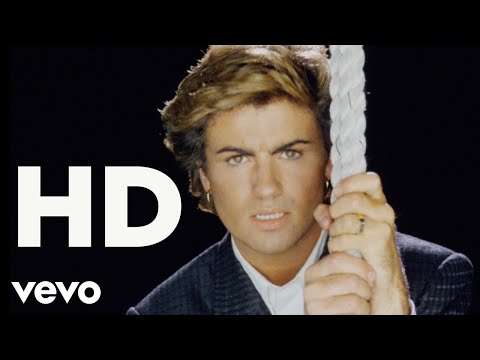
“Rhythm Of The Night” — DeBarge's singular moment on the 1980s charts.
02 Song Meaning
Rhythm of the Night — Dancing as Deliverance
The great dance records of the 1980s tend to fall into two camps: those that celebrate pleasure for its own sake and those that frame the dance floor as a refuge from something. Rhythm of the Night is firmly in the second camp, and that quality gives it a depth that purely hedonistic tracks from the same era do not always possess. DeBarge's 1985 hit is fundamentally about the redemptive power of music, the idea that moving to a rhythm in a crowd can restore something that the ordinary day has taken away.
The Dance Floor as Sanctuary
The song's lyrical central argument is straightforward: whatever is weighing on you during the day loses its grip once the music starts. The narrator issues an invitation not to a party but to a state of mind, a place where worry is replaced by rhythm and isolation gives way to collective movement. In the early 1980s, when the disco era had given way to a more fragmented pop landscape, this framing of the dance floor as a reliable sanctuary carried genuine weight. Young people in 1985 were navigating anxieties both personal and cultural, and a song that promised specific, musical relief spoke to something real.
El DeBarge's Voice as Emotional Carrier
The meaning of a song is never purely in its words. El DeBarge's counter-tenor delivery adds a layer of yearning to every line that transforms what might read on paper as a fairly conventional invitation into something more affecting. There is a quality in his voice that suggests the narrator has personally experienced whatever it is the dance floor is supposed to heal. The gospel inflections built into his phrasing give the song an almost devotional quality, which is not accidental given the DeBarge family's deep roots in church music. The secular and the spiritual press against each other throughout the performance.
Collective Joy as a 1980s Theme
The mid-1980s produced a significant number of pop records organized around the theme of communal celebration: songs that imagined a crowd of people sharing a moment of release. This was partly a response to the atomizing tendencies of the decade, the rise of the Walkman, the private experience of video games, the general retreat into individual lifestyle. Pop music pushed back by insisting on togetherness, on the room full of people, on the shared beat. Rhythm of the Night belongs to that tradition, and its vision of communal dancing carries a slight urgency, as if the song understands that community is something that has to be actively maintained.
Escape Without Denial
What separates Rhythm of the Night from more escapist tracks of its era is that the lyric acknowledges what it is escaping from. The song does not pretend the difficulties of ordinary life do not exist; it simply argues that there is a legitimate and valuable way of setting them aside for a few hours. That honesty, modest as it is, gives the record a credibility that pure fantasy tracks often lack. The listener feels recognized rather than condescended to, and that feeling is a large part of why the song built such sustained loyalty across its 22-week chart run.
A Message That Has Not Expired
The specific sonic texture of Rhythm of the Night is inseparable from 1985, but its emotional argument is entirely portable. The idea that music offers a form of temporary sanctuary, that gathering to move together is a meaningful act rather than a trivial one, has not become less true with time. If anything, successive generations have found in the song a confirmation of something they already believed. That is how certain records outlive their moment: not by predicting the future but by articulating something permanently true about the present.
→ More from the 1980s File
View all 1980s hits →



Keep digging