The 1980s File Feature
Foolish Pride
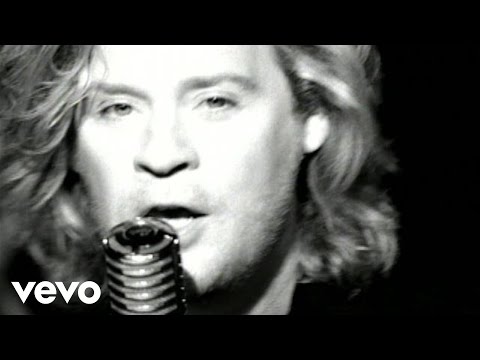
Foolish Pride — Daryl Hall The Solo Hall By the autumn of 1986, Daryl Hall had been making music professionally for nearly two decades. His partnership with …
01 The Story
Foolish Pride — Daryl Hall
The Solo Hall
By the autumn of 1986, Daryl Hall had been making music professionally for nearly two decades. His partnership with John Oates had produced one of the most commercially successful runs in American pop history, stacking up number-one singles through the late 1970s and early 1980s with a combination of blue-eyed soul craft and impeccable pop instincts. H2O in 1982 and Big Bam Boom in 1984 had kept the duo at the top of the charts. Hall's solo ambitions had found their first full expression in 1980 with Sacred Songs, an avant-garde project that RCA Records famously sat on for two years before releasing it to a confused marketplace.
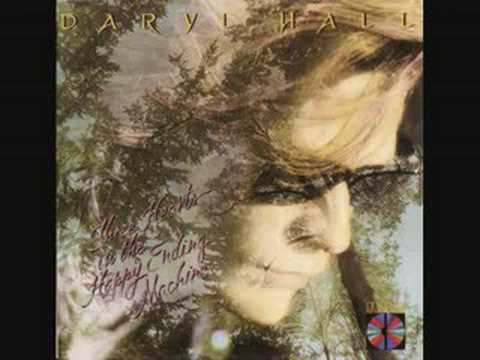
The 1986 solo album Three Hearts in the Happy Ending Machine took a different tack. Rather than experimental terrain, it aimed squarely at the contemporary pop and soul market that Hall understood intimately from his partnership with Oates. "Foolish Pride" was the album's lead single, released in October 1986 to serve as the public face of Hall's solo commercial ambitions. The record appeared on RCA Records and began its chart journey in the fall of that year.
Sound and Production
Three Hearts in the Happy Ending Machine was produced in a contemporary mid-1980s style, full of synthesizer textures and drum machine programming that were absolutely of their moment. Hall worked with several collaborators on the album, and the production reflected the polished, radio-ready approach that dominated mainstream pop in the latter half of the decade. The mid-1980s was a period of extremely specific production aesthetics, defined by gated reverb drums, synth pads layered over digital keyboards, and production values calibrated for the growing CD format.
"Foolish Pride" fit comfortably within these parameters while showcasing what had always been Hall's most compelling asset: his voice. Hall's tenor had a silky, expressive quality that drew comparisons to the classic Philadelphia soul vocalists who had influenced him, and the production of "Foolish Pride" gave that voice space to demonstrate its range and nuance. The song's groove was rooted in the soul and funk traditions that Hall had absorbed deeply, dressed in contemporary production clothing without losing its rhythmic sophistication.
The Chart Performance
"Foolish Pride" entered the Billboard Hot 100 on October 18, 1986, debuting at number 75. Its climb through the fall months was consistent: 62, then 51, then 45, then 39 as autumn deepened. The track reached its peak position of number 33 on December 6, 1986, spending 13 weeks on the chart. On the adult contemporary chart, where Hall's audience was particularly concentrated, the performance was stronger, as the balladic elements of the song resonated well with that format's listeners.
The peak position of 33 was a solid showing for a solo single from half of one of pop's most successful partnerships. It demonstrated that Hall carried genuine commercial weight independent of the Oates brand, even if the chart heights he reached solo were somewhat below the peaks he had achieved with his partner. The album reached number 29 on the Billboard 200, suggesting that "Foolish Pride" was functioning effectively as an advertisement for the larger project.
The Solo Career Question
Artists who succeed within long-term partnerships face a particular kind of scrutiny when they venture out alone. The critical and commercial calculus inevitably involves comparisons, and the comparisons are never entirely flattering to the solo work, which lacks the creative chemistry that made the partnership's best moments distinctive. Hall navigated this dynamic with characteristic self-assurance. He had always been the more forward-facing, more vocally dominant member of Hall and Oates, and the transition to solo work felt like a natural extension rather than a radical departure.
"Foolish Pride" did not reinvent what listeners expected from Daryl Hall. It delivered, with professional competence and genuine feeling, exactly what those listeners had reason to expect from him. In a landscape dominated by maximalist 1980s production, the song's soul roots provided a grounding element that distinguished it from more purely synthetic contemporaries.
A Chapter Between Chapters
The mid-1980s period of Hall's career occupied an interesting space between the duo's peak commercial years and their later resurgence. Hall and Oates would continue to work together and tour extensively, their back catalog sustaining an enormous following into the decades ahead. "Foolish Pride" stands as evidence that Hall's voice and commercial instincts remained fully operational outside the partnership's framework.
Give it a spin and hear the mid-1980s rendered in its most characteristic sonic language, anchored by a voice that had already proven itself one of the era's finest instruments.
"Foolish Pride" — Daryl Hall's singular moment on the 1980s charts.
02 Song Meaning
Foolish Pride — Themes and Legacy
The Cost of Self-Protection
Pride as an obstacle to love is one of popular music's oldest preoccupations. The pattern is immediately recognizable: two people who feel deeply for each other allow a protective layer of pride to prevent the vulnerability that genuine intimacy requires. Someone has to concede first, has to risk the exposure of admitting need, and that act of concession is made harder by the knowledge that the other person may not respond in kind. Foolish Pride inhabits this tension with the kind of specificity that lifts a familiar theme above the generic.
The song's narrator is caught in a recognizable trap, knowing that the pride sustaining a certain emotional posture is ultimately self-defeating, yet unable to entirely abandon it. The word "foolish" in the title signals self-awareness without self-forgiveness. The narrator knows the pride is irrational. Knowing does not dissolve it. This distinction between intellectual understanding and emotional capability is one of the most honest things a pop song can acknowledge.
Soul Vocabulary in a Pop Context
Daryl Hall came of age musically in the Philadelphia soul world of the early 1970s, absorbing the vocal and emotional conventions of that tradition at a formative stage. The soul tradition has always had particular resources for treating pride and vulnerability in romantic contexts. Its lyrical vocabulary handles these themes with a combination of directness and elegance that more reticent pop traditions sometimes lack. Hall carried this emotional vocabulary into his work with Oates and continued to deploy it in his solo recordings.
The mid-1980s production surrounding "Foolish Pride" updated the presentation, replacing the Philly soul's lush string arrangements and live rhythm sections with synthesizers and programmed drums. The emotional grammar remained recognizably rooted in the older tradition, however, and that root system gave the song greater depth than its production surface alone would suggest.
The 1980s and Emotional Sincerity
Pop music in the mid-1980s operated in a complicated relationship with emotional sincerity. The ironic, self-aware postures associated with new wave and the emerging alternative scene coexisted with the relatively straightforward emotional declarations of adult contemporary pop. Hall had always operated in the latter tradition, and "Foolish Pride" positioned him clearly within it, making no concessions to irony or distance in its treatment of romantic vulnerability.
This directness was itself a statement in 1986, a decision to keep faith with an emotional language that some quarters of the music world were beginning to find unfashionable. The audience that responded to the record across its 13 weeks on the chart was affirming their own preference for that directness, choosing music that spoke plainly about feeling over music that complicated feeling through ironic mediation.
Hall's Artistic Identity
Considered alongside Daryl Hall's larger body of work, "Foolish Pride" reflects consistent preoccupations that run through his best writing. The recurring themes of romantic ambivalence, emotional risk, and the difficulty of maintaining connection across the friction of two independent personalities appear in various forms across his catalog with Hall and Oates as well as in his solo work. These are not random choices but expressions of a genuine artistic sensibility, one that finds the ordinary complications of romantic life to be inexhaustible subject matter.
The 1980s solo chapter of Hall's career is sometimes undervalued in retrospective assessments that focus primarily on the canonical Hall and Oates hits. "Foolish Pride" stands as a reminder that the voice and the songwriting intelligence behind those hits were fully operative in other contexts as well, capable of generating real commercial and emotional impact without the creative partnership that surrounded them in their most celebrated period.
The song's 13 weeks on the Hot 100 and its adult contemporary resonance confirmed that Hall's particular combination of soulful craft and pop accessibility translated effectively across the partnership boundary.
→ More from Daryl Hall
View all Daryl Hall hits →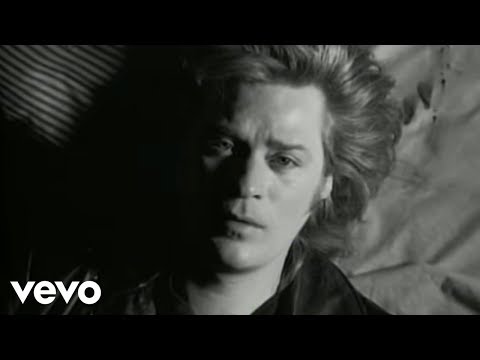
→ More from the 1980s File
View all 1980s hits →
Keep digging