The 1980s File Feature
Wasted On The Way
The Story Behind Wasted On The Way by Crosby, Stills Nash Imagine the summer of 1982, more than a decade after Crosby, Stills Nash had first stunned the worl…
01 The Story
The Story Behind "Wasted On The Way" by Crosby, Stills & Nash
Imagine the summer of 1982, more than a decade after Crosby, Stills & Nash had first stunned the world with their breathtaking harmonies and become the voice of a generation. By this point they were veterans, survivors of the volatile 1960s and 1970s who had weathered breakups, reunions, solo detours, and plenty of personal turmoil. When they regrouped, the result was a song shot through with the wisdom of looking back, a reflection on lost time delivered by men who had lived through more than their share of it.
Veterans Reflecting on Lost Time
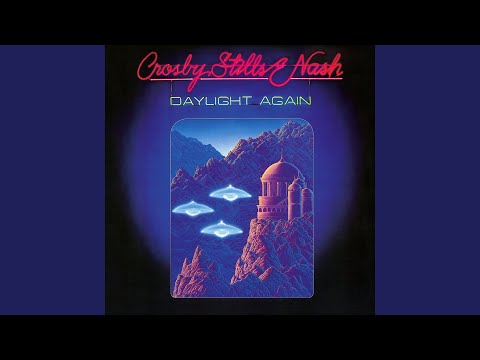
The trio's story had always been one of brilliance complicated by friction, and by the early 1980s their long, tangled history was inescapable. This single came from their 1982 reunion album Daylight Again, a record that brought their signature sound back to a new decade. The song was written by Graham Nash, whose gift for melodic, introspective songwriting had always balanced the group's more turbulent energies, and it became one of the album's defining moments.
Those Unmistakable Harmonies
What makes the song soar is the very thing that made the group legendary: the interlocking three-part harmonies that no one else could quite replicate. The arrangement is bright and breezy, almost deceptively cheerful for a song about regret, with acoustic guitars and a buoyant rhythm carrying those famous voices. The contrast between the upbeat sound and the reflective lyric gives the track a poignant edge, the feeling of looking back with a smile and a sigh at the same time.
A Confident Climb Into the Top Ten
The single proved that the trio still had real commercial power well into the 1980s. It debuted at number 48 on June 26, 1982, then climbed steadily and impressively week after week, moving into the twenties and then the teens as radio embraced the return of those harmonies. It reached its peak of number 9 during the week of August 21, 1982, earning the group a coveted spot in the top ten. The song spent fifteen weeks on the chart, a strong run that confirmed their enduring appeal and gave them one of their biggest hits of the decade.
A Reunion Worth Celebrating
The context surrounding the song made its success especially sweet. The trio had spent years pulled apart by the same tensions and personal struggles that had always shadowed their brilliant collaboration, and a genuine reunion was never guaranteed. Their return to the charts in 1982 felt like a vindication, proof that the chemistry which made them special in the first place could still produce magic after all the turmoil. For longtime fans who had followed the group through its many fractures, hearing those harmonies climb the chart again was a deeply satisfying moment. The song carried the weight of that history, making its theme of regret over lost time feel all the more authentic and earned.
A Late-Career Highlight
Within the long and storied career of Crosby, Stills & Nash, this song stands as one of their most beloved later works, proof that the magic of their harmonies had not dimmed with the years. It became a staple of their live shows and a favorite among longtime fans, a reminder of why the group mattered in the first place. The song's theme of regret over wasted time carried extra weight coming from artists who had famously squandered some of their own. It remains a graceful, hard-won gem, the sound of veterans who had learned the cost of conflict the hard way and turned that knowledge into something beautiful.
Press Play and Listen Closely
Cue it up and let those harmonies wrap around you, the sound of three master vocalists who had been through everything together. It is a bittersweet, beautiful reflection on time and regret, sung by men who knew the subject well, and it rewards close listening with every pass through those layered, unmistakable voices.
"Wasted On The Way" — Crosby, Stills & Nash's singular moment on the 1980s charts.
02 Song Meaning
The Meaning of "Wasted On The Way" by Crosby, Stills & Nash
This is a song of reflection and regret, a mature meditation on the time and opportunities lost to conflict, distraction, and youthful folly. Coming from a group with a famously turbulent history, it reads almost like a confession, an acknowledgment of how much was squandered along the way. Yet it carries a note of hard-won wisdom rather than mere sorrow.
Looking Back on Squandered Time
The central idea is the painful awareness of all the time that slipped away unused or misused. The core theme is regret over wasted years and missed opportunities, the recognition that some of life's most precious moments were lost to needless trouble. That reckoning gives the song its emotional honesty.
Wisdom Earned the Hard Way
Rather than wallowing in regret, the lyric reflects the perspective of someone older and wiser, able to see clearly what younger eyes missed. The song offers the hard-won clarity that comes with age and experience, turning past mistakes into a source of insight. There is acceptance in it, not just mourning.
Cherishing What Remains
Alongside the regret runs a quiet resolve to make better use of the time still left. It urges an appreciation of the present after years of carelessness, suggesting that recognizing waste is the first step toward not repeating it. That forward-looking note keeps the song from feeling purely melancholy.
Why It Resonated
Listeners connected with the song's universal truth about time and regret, feelings that deepen as people grow older. Its reflective honesty struck a chord with anyone who had looked back with longing, especially delivered by artists who clearly meant every word. The relatability gave it lasting emotional weight.
Authenticity Born of Experience
What elevates the song above generic reflection is the sense that its creators genuinely lived its message. The regret feels real rather than rhetorical, the kind of insight that only comes from having actually wasted time and lived to regret it. Coming from a group whose history was marked by famous conflicts and lost opportunities, the sentiment carries a weight that a younger artist could not have summoned. That lived authenticity is the song's secret ingredient, the thing that turns a pretty melody into a genuinely moving statement.
A Graceful Acceptance
In the end the song is about coming to terms with the past while resolving to value what remains. It neither denies the waste nor drowns in it, finding instead a measured grace. That balance of regret and renewal is what gives the track its quiet, enduring power, a reminder that it is never too late to recognize what matters and act on it. The song offers no easy absolution, only the hard-won understanding that comes from looking honestly at one's own choices and choosing to do better with whatever time remains.
→ More from Crosby, Stills & Nash
View all Crosby, Stills & Nash hits →


→ More from the 1980s File
View all 1980s hits →


Keep digging