The 1980s File Feature
Too Tight
"Too Tight" — ConFunkShun Locks Into a Groove in Early 1981 California Funk at the Dawn of the Decade Imagine the first weeks of 1981: the Reagan inauguratio…
01 The Story
"Too Tight" — ConFunkShun Locks Into a Groove in Early 1981
California Funk at the Dawn of the Decade
Imagine the first weeks of 1981: the Reagan inauguration has just happened, the hostages in Iran have come home, and the music landscape is in a complicated state of transition. Disco's commercial dominance has collapsed spectacularly, funk and R&B are recalibrating in its aftermath, and the new decade has not yet settled into its definitive musical identity. ConFunkShun, the Vallejo, California funk and R&B outfit, had been building their reputation through the late 1970s with a string of solid albums and R&B hits, and they were positioned well to ride out the genre upheavals of the period. Too Tight arrived in early 1981 as one of their strongest mainstream crossover moments, bringing their California groove sound to a pop chart position that reflected genuine radio traction.
ConFunkShun had formed in Vallejo in the early 1970s and developed into one of the more capable funk and R&B outfits of the late-1970s West Coast scene. The group, anchored by the songwriting and production work of Michael Cooper and Felton Pilate, had a distinctive sound that balanced hard funk rhythms with accessible melodic content and vocal harmonies that gave their material crossover potential without diluting the rhythmic foundation that kept their core R&B audience loyal. They had charted consistently on the R&B charts through the late 1970s before Too Tight brought them meaningful Hot 100 presence.
The Sound of the Record
The production on Too Tight reflects the moment: it is tight (as the title insists), rhythmically locked, built on a groove that moves with purposeful efficiency. The arrangement prioritizes the interplay between the rhythm section and the horn accents that had been central to the ConFunkShun sound since their earliest recordings. The lead vocal work sits confidently within the groove rather than trying to dominate it, creating the sense of collective musical assertion that defined the best funk and R&B of the period.
The production aesthetic was informed by the West Coast funk tradition, which had always placed particular emphasis on ensemble playing and rhythmic precision. Where some funk acts of the era relied on sheer sonic weight to generate impact, ConFunkShun's approach was more concerned with the quality and placement of every element within the groove. The result was a record that sounded disciplined without feeling mechanical, energetic without being frantic.
Chart Performance and the Transition Period
The single entered the Billboard Hot 100 on January 24, 1981, debuting at position 75. The climb through the early weeks of the year was steady, with the record moving from the 60s to the 50s to the 40s as radio play built momentum. The peak of number 40 was reached on February 28, 1981, after ten weeks on the chart. The R&B chart performance complemented the pop showing, reflecting the dual-market presence that was central to ConFunkShun's commercial strategy.
The early 1981 Hot 100 was a transitional document. Post-disco pop was finding its footing; new wave and synth-pop were beginning to make commercial inroads; the R&B landscape was evolving toward the electro-influenced sounds that would define much of the decade. ConFunkShun's groove-oriented approach, rooted in a tradition that preceded disco and would outlast it, was well positioned to remain commercially viable across these transitions.
ConFunkShun's Place in the California Funk Tradition
The group's Vallejo origins placed them in a specific regional tradition. The Bay Area and Central Valley had produced a distinct flavor of funk and soul that differed in character from both the Motown-influenced sounds of the Midwest and the tighter, more percussion-driven funk of the Southeast. California funk acts often brought a certain spaciousness and melodic ease to the genre, influenced by the West Coast recording environment and the particular audience sensibilities of the region's club scene.
ConFunkShun stood out within that tradition for the consistency of their output and the sophistication of their ensemble playing. The group had worked together long enough by 1981 to have developed the kind of musical communication that cannot be manufactured in the studio through talent alone; it requires time and shared experience to produce the level of rhythmic cohesion that makes a groove like Too Tight feel effortless.
A Career Milestone and an Era Document
For ConFunkShun, the pop chart success of Too Tight represented a meaningful breakthrough in a career built primarily on R&B market strength. The Hot 100 peak of 40 and the 10-week chart run demonstrated that their sound could translate beyond the core audience that had been following them since the mid-1970s. The timing was fortuitous: the post-disco realignment of the pop market had created openings for funk and R&B acts that might previously have been confined to genre charts.
Dial it up and feel the California groove the way they meant it.
"Too Tight" — ConFunkShun's singular moment on the 1980s charts.
02 Song Meaning
"Too Tight" — ConFunkShun and the Groove as Collective Experience
When the Music Holds Everything Together
The word "tight" in funk and R&B vocabulary carries a very specific meaning. It refers to the degree to which musicians playing together are locked into a shared rhythmic feel, moving as a single organism rather than as a collection of individual performers. When ConFunkShun named their 1981 single Too Tight, they were making a claim about the quality of their own musical execution while simultaneously using the language of groove to describe an emotional and physical connection between people. The double meaning was entirely deliberate, working on both levels simultaneously to give the song its particular character of confident, rhythmically rooted sensuality.
The Body and the Beat
Funk music has always been concerned primarily with physical experience. More than almost any other genre in the popular music tradition, funk makes its argument through the body before it reaches the mind. The groove creates physical sensation in the listener, an involuntary rhythmic response that precedes any conscious interpretation of meaning. ConFunkShun's production approach understood this fundamental fact about the music they were making, and the arrangements of their best work, including this single, are calibrated to maximize that physical response.
In this context, the lyrical content of the song, which explores the intensity and pleasurable pressure of close romantic connection, is an extension of what the music is already doing physically. The song describes in words what the rhythm section is already communicating through sound and pulse. The text and the music argue the same point through different means, creating a unified sensory experience.
California Ease and the Late-1970s-into-1980s Transition
The West Coast funk tradition that ConFunkShun represented had a particular character that distinguished it from other regional styles. There was a certain relaxed confidence to the best Bay Area and Central Valley funk that reflected something about the culture those musicians inhabited. The grooves were tight but rarely tense; the energy was sustained rather than explosive; the melodic content carried a warmth that balanced the rhythmic intensity.
In the transition from the 1970s into the 1980s, that quality of relaxed authority was valuable. The market upheavals caused by disco's collapse had created a period of genuine uncertainty about what popular music's next direction would be. Acts that could maintain the quality of their groove through that transition without sounding either nostalgic or anxiously fashionable occupied a stable commercial position. ConFunkShun's R&B chart consistency through the period reflects that stability.
Ensemble Identity as Meaning
One of the things that distinguishes ConFunkShun's best work from solo-oriented R&B and pop is the strong sense of ensemble identity. The group functions as a collective rather than as a backing band for a featured singer, and the musical interplay between the members is itself a significant part of what the music communicates. When multiple musicians move together with the kind of precision and mutual attention that a well-rehearsed funk ensemble achieves, they are enacting the very connection that the lyrics describe. The medium and the message align.
This quality of collective musical identity was central to the California funk tradition and gave acts like ConFunkShun an authenticity that more assembly-line studio productions lacked. The groove was not something constructed in post-production; it was performed live by people who had spent years learning to make music together.
The song's Hot 100 peak of 40 and its sustained 10-week chart run reflect an audience that responded to that authentic, ensemble-rooted groove with genuine enthusiasm. The legacy of "Too Tight" is a record that understood exactly what it wanted to do and did it with maximum confidence and craft, which is the simplest and most complete definition of a successful pop single.
→ More from ConFunkShun
View all ConFunkShun hits →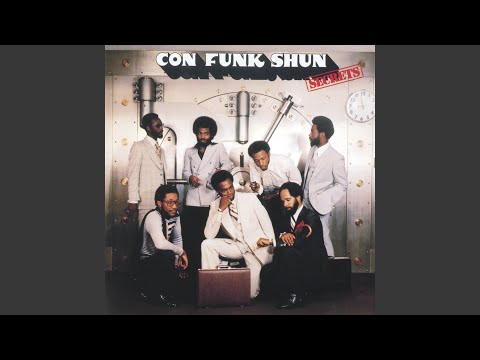


→ More from the 1980s File
View all 1980s hits →



Keep digging