The 1980s File Feature
Only You
The Story Behind Only You by Commodores By 1983, the Commodores were navigating the most turbulent period of their career, having just watched their biggest …
01 The Story
The Story Behind "Only You" by Commodores
By 1983, the Commodores were navigating the most turbulent period of their career, having just watched their biggest star walk out the door, and "Only You" arrived as part of the band's determined effort to prove they could still deliver without him.
Life After Lionel Richie
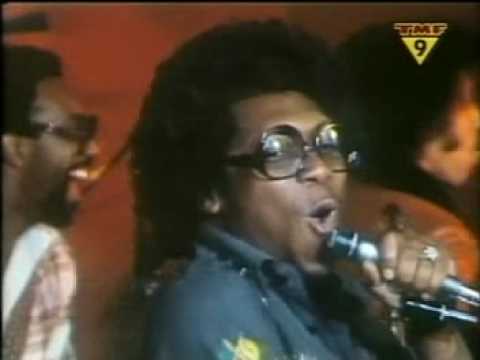
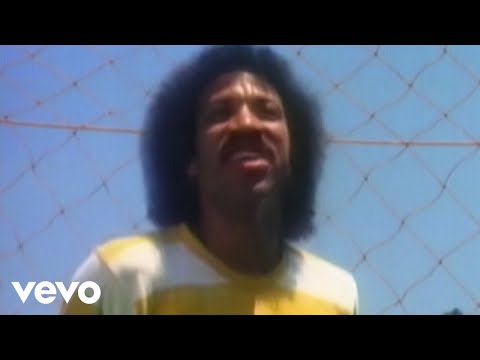
Lionel Richie's departure for a solo career in 1982 left the Commodores facing the kind of question that ends most bands: could the group's identity survive the loss of its most recognizable voice. The band regrouped around vocalist J.D. Nicholas, brought in from Heatwave, and pushed forward into 1983 determined to prove their sound was bigger than any single member, "Only You" standing as one of the results of that reinvention.
Smooth Soul for a Transitional Era
The track leans into the polished, string-and-synth-inflected R&B sound the Commodores had spent years perfecting, favoring smooth vocal harmonies and a warm, mid-tempo groove over the funkier material that had defined their earliest hits like "Brick House." It is a song built to reassure longtime fans that the band's core musical identity, lush arrangements built around romantic devotion, remained intact even with a new lead voice out front.
A Slow, Real Climb
The single debuted on the Billboard Hot 100 on September 17, 1983, at number 90, then advanced steadily: number 80, then 75, then 67, reaching its peak of number 54 on November 19, 1983, for a run of thirteen weeks on the chart. That sustained, gradual climb across more than three months signaled real, if modest, staying power for a band proving it could still generate consistent radio interest post-Richie.
Proving a Group Identity Beyond One Star
Bands losing a breakout member almost always face an existential test on their next release, and the Commodores' answer was to lean harder into the ensemble sound that had built their career in the first place rather than chase Richie's solo balladry directly. That choice paid off in a chart run measured in months, not weeks, evidence the group's collective identity still carried commercial weight. Richie, meanwhile, was busy launching a solo run that would soon produce some of the biggest pop hits of the decade, a contrast that made the Commodores’ own steady chart performance during the same period all the more significant as proof of the band’s continued relevance. The band would continue recording into the mid-1980s with Nicholas at the microphone, eventually landing another major hit with "Nightshift," a tribute that further cemented their post-Richie identity as a group capable of standing on its own.
A Transitional Hit With Staying Power
"Only You" never became one of the Commodores' signature songs, but its long chart run tells its own story: an established group finding a genuine, if smaller-scale, audience during the most uncertain chapter of its history. It stands as proof that the band's foundation, built over a decade of hits, could still hold weight even in transition. Press play and hear a band proving its resilience.
"Only You" — Commodores's singular moment on the 1980s charts.
02 Song Meaning
The Meaning Behind "Only You"
"Only You" is a song of romantic exclusivity, its narrator affirming total devotion to a single partner in the kind of plainspoken, sincere language that had long defined the Commodores' ballads.
Devotion Without Complication
Unlike songs built around conflict or longing for someone unattainable, this track centers on a relationship already secured, its narrator simply reaffirming commitment rather than pursuing it. That straightforward sincerity, devotion stated plainly rather than dramatized, reflects the warm, reassuring tone the Commodores had built their reputation on throughout the late 1970s.
A Band Reaffirming Its Own Identity
There is a quiet symbolic resonance in a song about steadfast loyalty arriving just as the band itself was proving its own loyalty to its sound and its remaining members following Lionel Richie's exit. Whether intentional or not, the song's message of enduring commitment mirrors the band's own effort to demonstrate continuity through a difficult transition.
Smooth Soul as Emotional Vocabulary
The genre's conventions, lush harmonies, warm instrumentation, unhurried tempo, do much of the emotional work here, creating a sonic environment of comfort and stability that reinforces the lyrical message. The music itself feels like reassurance, matching form to content in a way that made the Commodores' romantic ballads consistently effective. Listeners familiar with the group's catalog would have recognized the continuity immediately: the same lush string beds and gentle horn accents that underscored earlier hits like "Three Times a Lady" carry this song as well, a deliberate signal that the band's musical DNA had not changed.
A New Voice Carrying an Old Message
With J.D. Nicholas now delivering the band's romantic lyrics, the song also functions as an introduction, a new voice asking listeners to trust the same emotional sincerity the group had always offered, just from a different singer than the one audiences had come to associate with the band. The steady, unhurried tempo of the arrangement also reinforces the theme of patience and permanence, refusing to rush toward a dramatic climax and instead letting the devotion at its core simply sit and breathe.
Why Listeners Responded
Audiences drawn to the song's thirteen-week chart run were responding to exactly this combination: an established band delivering the comforting, devotional balladry it had built its name on, proof that the group's emotional core remained intact even as its lineup changed around it.
→ More from Commodores
View all Commodores hits →

→ More from the 1980s File
View all 1980s hits →




Keep digging