The 1980s File Feature
Give A Little Bit More
The Story Behind "Give A Little Bit More" by Cliff Richard A British Icon Chasing American Success By 1981, Cliff Richard had long been established as one of…
01 The Story
The Story Behind "Give A Little Bit More" by Cliff Richard
A British Icon Chasing American Success
By 1981, Cliff Richard had long been established as one of Britain's most enduring pop stars, with a career stretching back to the late 1950s and a string of hits across multiple decades in his home country. American success, however, had always been more elusive and inconsistent for Richard compared to his dominance on the UK charts. "Give A Little Bit More" arrived during a period when Richard was actively working to build on the momentum of his biggest U.S. breakthrough, the smash hit "We Don't Talk Anymore," released just a couple years earlier, a song that had finally proven he could compete on American radio.
Leaning Into a Polished Adult-Pop Sound
Producers of the period understood exactly the kind of sheen American adult contemporary radio wanted, and they built the track accordingly from the ground up.
The single reflected the sleek, radio-friendly production style that had helped Richard finally crack the American market in a meaningful way at the turn of the decade. Rather than his earlier rock and roll-inflected material, this era of Richard's career favored lush, adult contemporary arrangements built for maximum accessibility across formats. That polished approach gave "Give A Little Bit More" a sound tailored specifically to compete on American radio, where Richard's earlier, more British-specific pop stylings had often struggled to find consistent traction.
A Solid Mid-Chart Showing
The song entered the Billboard Hot 100 on April 25, 1981, debuting at number 81. It climbed steadily over the following weeks, moving to 70, then 60, then 50, then 46, showing consistent forward progress week after week. That momentum carried the single to its eventual peak of number 41 during the chart week of June 6, 1981. Altogether, the song spent eleven weeks on the chart, a solid and respectable run that confirmed Richard could sustain at least moderate American chart success beyond his one major breakthrough hit.
Proof of Staying Power
For an artist whose American chart history had been so inconsistent across the 1960s and 1970s, an eleven-week chart run in 1981 represented meaningful validation. It suggested that "We Don't Talk Anymore" had not simply been a fluke crossover moment but rather the start of a more sustained period of U.S. recognition for an artist who remained a massive star elsewhere in the world. That distinction mattered greatly for a performer whose career had so often been defined by the gap between his British stardom and his more modest American profile, a gap that finally seemed to be narrowing.
A Career Built on Reinvention
Richard's ability to keep landing on American charts into the 1980s, decades after his initial rise to fame, spoke to a career built on continual adaptation. He had moved through rock and roll, ballad-driven pop, and now glossy adult contemporary sounds, each phase finding its own audience even as musical trends shifted dramatically around him. "Give A Little Bit More" represented one more successful pivot in a career defined by an unusual capacity for reinvention across changing eras, a trait that kept him relevant on both sides of the Atlantic long after many of his 1950s peers had faded from the charts entirely.
A Quiet Triumph in a Long Career
Today, "Give A Little Bit More" is remembered as a solid, if secondary, entry in Richard's long American chart history, overshadowed by the bigger breakthrough that preceded it but no less important as a marker of sustained relevance. Its eleven-week run stands as proof that Richard's brief run of American success in this era was built on genuine audience connection rather than a single lucky hit. Give it a listen and you can hear a seasoned performer still finding new ways to connect across the Atlantic, decades into an already remarkable career.
"Give A Little Bit More" — Cliff Richard's singular moment on the 1980s charts.
02 Song Meaning
The Meaning Behind "Give A Little Bit More" by Cliff Richard
A Request for Deeper Commitment
As its title suggests, the song centers on a narrator asking a partner to invest a little more emotionally in their relationship, to move past hesitation and offer fuller commitment. That kind of gentle, persuasive appeal fit comfortably within Richard's broader catalog of adult contemporary material from this era, which frequently explored themes of romantic negotiation delivered with warmth rather than desperation.
Persuasion Without Pressure
Even the song's title avoids anything resembling a demand, framing the request instead as a hopeful, almost humble ask.
Rather than framing the request as an ultimatum, the song's tone stays gentle and encouraging throughout, positioning the narrator as patient and hopeful rather than frustrated or demanding. That measured approach reflects Richard's broader vocal persona during this period, one built on warmth, sincerity, and a kind of gracious romantic optimism rather than confrontation.
The Polish of Early-1980s Adult Pop
Musically, the song's smooth, radio-ready production reinforces its lyrical message of gentle persuasion, wrapping the request in an inviting, non-threatening sonic package. That production style was very much a product of its specific commercial moment, when adult contemporary radio favored exactly this kind of polished, emotionally accessible sound, and the arrangement plays directly into that expectation, giving the plea a comforting rather than confrontational feel.
A Universal Romantic Negotiation
The song's central request, for a partner to give a bit more of themselves emotionally, taps into a common relationship dynamic that many listeners could recognize from their own experience. That relatability helped give the song broad appeal beyond Richard's core fanbase, since its theme addressed something nearly universal in romantic partnerships rather than a specific or unusual scenario, one that did not require any particular backstory to understand.
Optimism as a Guiding Principle
Even while addressing a degree of romantic uncertainty, the song never slips into despair or resignation, maintaining an underlying confidence that the relationship can grow stronger with just a little more effort from both sides. That optimistic framing was consistent with Richard's long-standing reputation as an artist whose music generally avoided the darker, more conflicted corners of romantic songwriting, favoring hope over doubt at nearly every turn.
Why the Message Still Connects
Decades on, the song's plainspoken plea for greater emotional investment remains easy to relate to, since the underlying dynamic it describes, wanting a partner to meet you halfway, continues to resonate across generations of listeners. That timeless quality, paired with Richard's polished, reassuring delivery, is exactly what allowed the song to find a real audience during its 1981 chart run, and it remains easy to hear why listeners responded to it so warmly at the time.
→ More from Cliff Richard
View all Cliff Richard hits →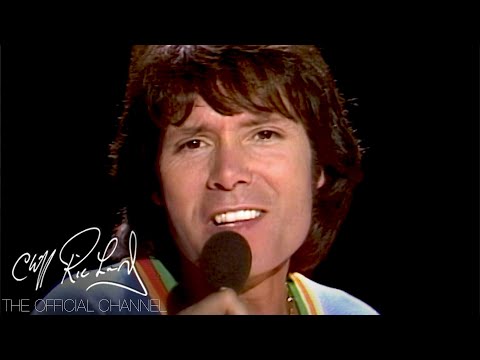




→ More from the 1980s File
View all 1980s hits →




Keep digging