The 1980s File Feature
Say You'll Be Mine
Christopher Cross and "Say You'll Be Mine": The Weight of a Follow-Up Career Few debut years in the history of popular music were as strikingly successful as…
01 The Story
Christopher Cross and "Say You'll Be Mine": The Weight of a Follow-Up Career
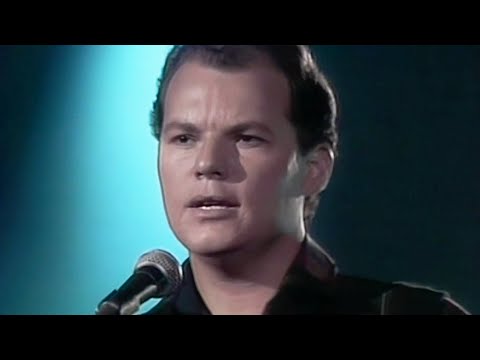
Few debut years in the history of popular music were as strikingly successful as Christopher Cross's entry into the mainstream market. His 1979 self-titled debut album had generated four top-twenty singles, including the number-one hit "Sailing," and had won five Grammy Awards including Album of the Year, Record of the Year, Song of the Year, and Best New Artist. The sweep was unprecedented, and it established Cross as one of the most commercially viable and critically respected new artists of the era. The inevitable question that followed this extraordinary debut was how he would sustain the momentum, and "Say You'll Be Mine," released in 1981, was one of his more significant attempts to answer that question.
The single entered the Billboard Hot 100 on March 28, 1981, debuting at number seventy-four. It climbed steadily through the spring, reaching its peak position of number twenty during the week of May 23, 1981, and spending fourteen weeks on the chart. The performance was respectable by most measures, demonstrating that Cross retained a substantial audience willing to follow his subsequent work, though it fell short of the extraordinary peaks his debut material had achieved.
"Say You'll Be Mine" appeared during the period following his debut album when Cross was working to establish his identity as a recording artist beyond the immediate impact of that extraordinary first release. Christopher Cross, born Christopher Charles Geppert in San Antonio, Texas, in 1951, had spent years as a journeyman musician in the Texas club circuit before his debut album's unexpected commercial explosion. He had developed a sound that combined the polished, melodically sophisticated sensibility of soft rock with genuine musical craft, and the challenge of his post-debut work was to apply that combination to new material without simply repeating The recording came from his second album, Another Page, released in 1983, though the single's chart activity in 1981 suggests it was drawn from an earlier single release or promotional activity. Cross worked with producer Michael Omartian, who had been central to the sound of his debut album and whose production sensibility was well matched to Cross's musical approach. Omartian's ability to create lush, sophisticated arrangements that remained melodically accessible was a significant asset, and his work with Cross on subsequent material maintained the sonic quality that had distinguished the debut.uished the debut.
The soft rock landscape of the early 1980s was crowded with talented artists competing for the same adult contemporary radio audience, and Cross's success in placing "Say You'll Be Mine" at number twenty represented a meaningful achievement in that competitive environment. Adult contemporary radio was then one of the most commercially influential formats in American broadcasting, and tracks that achieved strong performance on those charts translated directly into significant exposure and record sales. Cross's crossover appeal, combining rock credibility with the melodic polish that adult contemporary listeners valued, positioned him well for sustained success in this format.
His vocal style, which featured a distinctive warmth and fluency in the upper registers, suited the romantic themes of "Say You'll Be Mine" particularly well. Cross's voice had a quality of sincere feeling that made even conventional romantic subject matter sound personal and genuine, and this quality was central to his ability to connect with the adult contemporary audience that was his primary demographic. The song gave him material that played to these strengths while also allowing him to demonstrate the musical sophistication, both in the arrangement and in the harmonic language of the composition, that had impressed critics alongside casual listeners throughout his debut period.
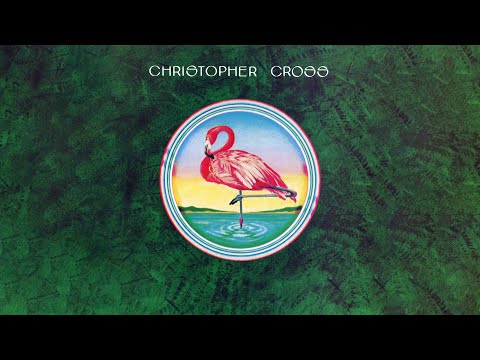
The commercial context of 1981 was one in which the music industry was navigating significant technological and cultural change. The early MTV era was beginning to reshape how artists were marketed and how audiences encountered new music, and the visual dimension of an artist's identity was becoming increasingly important. Cross, whose visual presentation was deliberately low-key and who had famously kept his image off the covers of his early albums, was somewhat disadvantaged in this new environment, and the subsequent plateauing of his commercial momentum in the mid-1980s reflected the changing landscape as much as anything about the quality of his recordings.
"Say You'll Be Mine" remains a creditable example of early-1980s soft rock at its most polished and musically accomplished. Its peak of number twenty and fourteen weeks on the Hot 100 demonstrated that Cross's audience remained loyal and engaged, and the record's melodic and production quality are consistent with the standard he had set with his debut. Within the arc of his recording career, it represents the effort to sustain excellence in a period when sustaining the commercial altitude of an extraordinary debut is among the most challenging tasks a popular artist faces.
02 Song Meaning
Commitment, Uncertainty, and the Romantic Appeal of "Say You'll Be Mine"
"Say You'll Be Mine" belongs to a long tradition of songs that make romantic commitment an explicit request rather than a settled fact, placing the narrator in a position of emotional vulnerability that the song must negotiate with both honesty and hope. The title itself is a plea, an invitation directed at a specific person whose response is not yet known, and this quality of suspension, of waiting for an answer that may or may not come, gives the song its characteristic emotional tension. Christopher Cross was particularly well suited to this kind of material because his vocal style combined warmth and sincerity with a quality of gentle urgency that made the plea feel genuine rather than calculated.
The song's romantic situation is one of considerable emotional complexity. The narrator is not merely declaring love but asking for a specific form of acknowledgment and commitment in return, a request that implies uncertainty about whether that commitment will be forthcoming. This uncertainty is the emotional engine of the song: it creates stakes and vulnerability that would be absent from a simple declaration, and it invites the listener to inhabit the narrator's position of hopeful but not confident anticipation. This is a more sophisticated emotional situation than the simple declaration of love that characterizes many pop romantic songs, and it gives the material a quality of realism that resonates with adult listeners' actual experience of romantic negotiation.
Cross's ability to deliver this kind of emotionally nuanced material was central to his commercial appeal. His primary audience, the adult contemporary listeners who had made his debut album such a phenomenon, valued emotional authenticity and melodic sophistication in equal measure, and "Say You'll Be Mine" offered both. The lyrical honesty about the vulnerability inherent in asking for romantic commitment connected with listeners who had experienced that vulnerability themselves, and the polished musical execution gave them a vehicle for that connection that satisfied their expectations of quality and craft.
The production values of the recording, built around Cross's characteristic blend of soft rock textures and sophisticated harmonic language, frame the emotional content in a way that is simultaneously comforting and gently melancholy. The arrangement is warm and inviting without being saccharine, maintaining a quality of emotional seriousness that elevates the song above simple pop sentimentality. Michael Omartian's production was instrumental in achieving this balance, creating a sonic environment that honored both the romantic optimism of the song's surface content and the underlying uncertainty that gives it its emotional depth.
The song's chart performance at number twenty on the Billboard Hot 100 in the spring of 1981 confirmed that Cross's audience remained responsive to his particular combination of musical qualities. In the competitive landscape of early-1980s adult contemporary radio, maintaining a top-twenty presence required more than commercial momentum from a successful debut; it required recordings that genuinely satisfied the expectations of an audience that had been set high by previous work. "Say You'll Be Mine" met that standard, and its reception demonstrated that the emotional territory Cross was exploring, the honest negotiation of adult romantic feeling, had a large and receptive audience.
The song's meaning, at its most fundamental level, is an argument for the value of honest vulnerability in romantic relationships. To ask someone to be yours, rather than simply assuming or hoping they will be, is to accept the risk of rejection in exchange for the possibility of genuine mutual commitment. This willingness to accept risk in the service of authentic connection is the emotional stance that "Say You'll Be Mine" celebrates, and it is a stance that resonates with listeners precisely because it reflects a recognizable human experience: the moment of courage required to make a romantic commitment fully explicit and to wait, with hope and some fear, for the answer.
→ More from Christopher Cross
View all Christopher Cross hits →


→ More from the 1980s File
View all 1980s hits →



Keep digging