The 1980s File Feature
The Flame
Cheap Trick s The Flame : A Power Ballad Comeback for the Ages There is a slow-building grandeur to this song, the sound of a veteran rock band staging one o…
01 The Story
Cheap Trick's "The Flame": A Power Ballad Comeback for the Ages
There is a slow-building grandeur to this song, the sound of a veteran rock band staging one of the most unexpected comebacks of the decade. By the late eighties, Cheap Trick had spent years in the commercial wilderness, their once-towering reputation dimmed. Then came this sweeping power ballad, a song that hauled them all the way back to the very top of the charts and reminded the world of their gift for melody. It became the crown jewel of their late-career revival.
A Band in Need of a Hit
To understand the magnitude of this moment, you have to know how far Cheap Trick had fallen from their peak. In the late seventies they had been one of America's most exciting rock bands, beloved for their power-pop hooks and their legendary live album recorded in Japan. But the mid-eighties had been lean years, with diminishing chart returns and questions about their future. The album Lap of Luxury arrived in 1988 as a deliberate bid for commercial redemption, and the label encouraged the band to record outside material to secure a hit.
A Ballad Built to Soar
The song was not written by the band themselves, a fact that initially gave some members pause, yet it proved a perfect vehicle for their talents. It builds from a tender, restrained opening into a towering, emotional chorus, the kind of dynamic arc that defined the great power ballads of the era. Robin Zander's vocal performance is the centerpiece, moving from intimate vulnerability to full-throated passion with remarkable control. The production gleams with late-eighties polish, every element calibrated for maximum emotional impact on radio.
All the Way to Number One
The gamble paid off beyond anyone's wildest hopes. The single debuted at number 92 on April 9, 1988, and began a long, determined climb up the chart through the spring and into the summer. It finally reached number 1 on the Billboard Hot 100 on July 9, 1988, giving Cheap Trick the first and only chart-topping single of their entire career. It spent an enormous 27 weeks on the chart, a marathon run that underscored just how thoroughly the song had captured the public's heart.
The Bittersweet Taste of Redemption
There is an interesting tension at the heart of this comeback that fans have discussed for decades. Cheap Trick had built their reputation on quirky, energetic power pop written largely by the band themselves, and a sweeping ballad penned by outside songwriters sat somewhat awkwardly with that identity. Some longtime devotees felt the song did not quite represent the band they loved, even as it introduced Cheap Trick to millions of new listeners. Yet that complexity is part of what makes the story so compelling. The biggest hit of their career was, in some sense, the least characteristic thing they ever recorded. It saved them commercially while raising questions about artistic identity, the kind of bargain many veteran acts have faced. Whatever one concludes, the band committed to the song fully and delivered a performance that justified its enormous success.
An Improbable Triumph
The success of this ballad rescued Cheap Trick's career and earned them a new generation of fans, proving that a band written off as past their prime could roar back to the summit. The song remains a staple of soft-rock and power-ballad playlists, and its YouTube audience now passes 32 million views. Whatever debates surround its outside authorship, there is no denying its emotional power or the skill of its execution. It stands as one of the great second-act stories in rock history, a reminder that careers thought to be over can find new life in the most unexpected places. For a band that had given so much to American rock, reaching the very top at last felt like a fitting reward. Press play and hear a band reborn.
"The Flame" — Cheap Trick's singular moment on the 1980s charts.
02 Song Meaning
What "The Flame" Is Really About
This is a song of total devotion, a sweeping declaration of unconditional love and loyalty. With its soaring melody and impassioned vocal, it expresses a willingness to be everything for another person, to remain a guiding light through any darkness. It is one of the great power ballads of its era precisely because its emotion is so unguarded.
Love as a Promise
The lyrics center on an absolute commitment to a beloved, a vow to be their flame, their constant source of warmth and guidance. The narrator offers himself completely, promising to be there in every circumstance, to light the way whenever the other person feels lost. This is romance at its most idealized, love framed not as a fleeting feeling but as a steadfast, almost sacred dedication. The intensity of that promise is the song's emotional engine.
The Power of Surrender
What gives the song its grandeur is the totality of its emotional offering. There is no hesitation, no hedging, only complete devotion. Robin Zander's vocal sells this surrender with extraordinary conviction, building from quiet tenderness to a chorus that feels like a heart breaking open. The arrangement mirrors that journey, swelling toward catharsis. It is a song that holds nothing back, and that vulnerability is exactly why it resonates so powerfully.
The Anthem of an Era
The song belongs to the golden age of the power ballad, when massive, emotional love songs ruled the airwaves and the slow-dance floor. This style spoke to a desire for sincerity and grand feeling amid the decade's glossy excess, giving listeners permission to be unashamedly romantic. The track stands as a definitive example of the form, the kind of song couples claimed as their own.
The Comfort of Being Someone's Light
Part of the song's deep appeal lies in the role it offers the listener. To be someone's flame is to matter to them completely, to occupy a place of irreplaceable importance in their life. That fantasy of total significance speaks to a fundamental human need to be needed, to know that your presence makes a real difference to another person. The song dramatizes both sides of that bond, the one who promises and the one who receives the promise, and in doing so it touches something universal. Everyone wants to be loved that fiercely, and everyone, at least sometimes, wants to love that way in return.
Why It Still Moves People
The reason the song endures is the purity of its emotion. The longing to love someone completely and to be loved that way in return never goes out of style. Decades on, the song still stirs that feeling, a reminder of a time when pop music wore its heart on its sleeve and asked you to do the same.
→ More from Cheap Trick
View all Cheap Trick hits →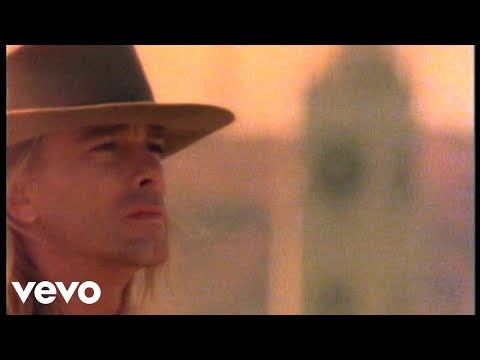
→ More from the 1980s File
View all 1980s hits →
Keep digging