The 1980s File Feature
Mandolin Rain
Bruce Hornsby the Range s Mandolin Rain : Piano-Driven Poetry on the Charts There is a wistful, rain-soaked beauty to this song, the kind of track that seems…
01 The Story
Bruce Hornsby & the Range's "Mandolin Rain": Piano-Driven Poetry on the Charts
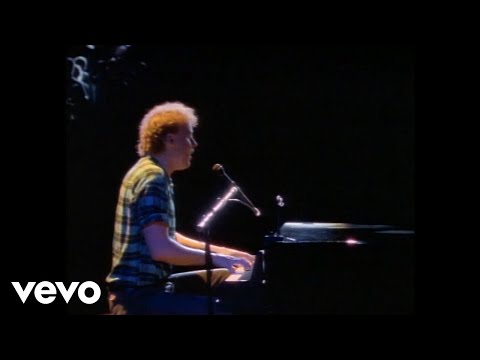
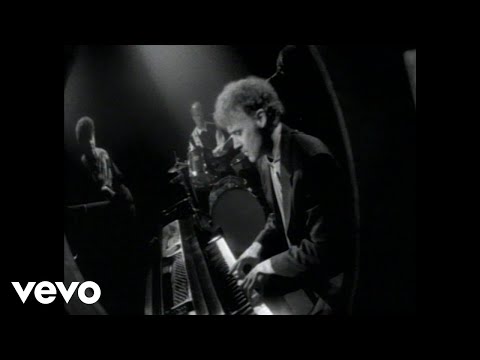
There is a wistful, rain-soaked beauty to this song, the kind of track that seems to slow time down as it plays. In an era dominated by synthesizers and drum machines, Bruce Hornsby arrived with something almost defiantly old-fashioned: a lyrical, piano-led sound rooted in storytelling and craft. This single, one of the standout moments of his breakthrough, showed that there was still a vast audience hungry for warmth and melody in the heart of the eighties.
A Pianist Steps Into the Spotlight
To appreciate the song, you have to understand how unusual Hornsby's success was. He emerged with his band the Range on the debut album The Way It Is, an album whose title track had already become a sensation by addressing serious social themes over a flowing piano line. Hornsby was a virtuoso pianist with a literate songwriter's sensibility, the kind of artist who valued nuance and atmosphere over flash. In a chart landscape ruled by glossy production, his earthy, organic approach stood out like a clearing in dense woods.
A Ballad of Loss and Memory
The song unfolds like a short story set to music, its imagery built around water, weather, and the ache of a love that has slipped away. The piano provides a gentle, rippling foundation, and the arrangement layers in subtle textures that evoke the title's rainy melancholy. There is a literary quality to the writing, an attention to detail and mood that rewards close listening. It is a song about remembering, about the way certain images stay fixed in the mind long after a relationship ends.
A Strong Run to the Top Five
Audiences responded warmly to its understated charms. The single debuted at number 69 on January 17, 1987, and rose steadily through the winter, carried by Hornsby's growing reputation and the album's momentum. It peaked at number 4 on the Billboard Hot 100 on March 21, 1987, spending a substantial 18 weeks on the chart. For a piano ballad with no concessions to the era's flashier trends, reaching the top five was a genuine triumph and a testament to the song's emotional pull.
A Throwback That Felt Fresh
Part of what made Hornsby's success so notable was how it cut against the grain of its moment. The mid-eighties charts were awash in synthetic sounds, programmed beats, and gated reverb, the unmistakable sonic signatures of the decade. Into that environment Hornsby brought acoustic piano, real instruments, and a songwriting approach that owed more to the singer-songwriter tradition than to contemporary pop trends. Rather than sounding dated, this organic quality made his music feel like a breath of fresh air, a reminder of the enduring power of melody and craft. Listeners responded to the warmth and humanity of it, the sense that a real person was sitting at a real piano, telling a real story. That authenticity became his signature and the foundation of a long, distinguished career.
A Quiet Classic That Endures
The song helped cement Hornsby as one of the most respected musicians of his generation, an artist whose work would later see him collaborate with everyone from the Grateful Dead to countless other acts who valued his keyboard mastery. This ballad remains a beloved staple of soft-rock radio, its gentle beauty undimmed by passing decades, and its YouTube audience now climbs past 32 million views. It endures because it offers something increasingly rare, a moment of genuine stillness and reflection in a culture that rarely slows down. The song asks nothing of you but to listen, to let its imagery wash over you, and to feel the quiet ache at its center. That generosity of spirit, that trust in the power of a simple, well-told story, is what keeps drawing listeners back. Press play and let the rain fall.
"Mandolin Rain" — Bruce Hornsby & The Range's singular moment on the 1980s charts.
02 Song Meaning
What "Mandolin Rain" Is Really About
This is a song about heartbreak and the strange permanence of memory, a meditation on how the end of a love affair leaves images burned into the mind that refuse to fade. With its rich, painterly imagery, the song explores grief not as a single moment but as a lingering atmosphere, soft and persistent as rainfall.
The Weather of a Broken Heart
The lyrics use natural imagery to convey emotional states, drawing on rain, water, and the sound of music to evoke the melancholy of lost love. The narrator looks back on a relationship that has ended, recalling specific scenes and sensations with painful clarity. Rather than raging against the loss, the song settles into a mood of quiet sorrow and acceptance. It captures the way heartbreak often feels less like a storm and more like a steady, gray drizzle that colors everything.
Memory as a Haunting
What gives the song its depth is its focus on remembering. The narrator is not living the breakup so much as reliving it, turning over images that will not let him go. This emphasis on recollection speaks to a universal truth about loss: that the hardest part often comes later, in the quiet moments when a song or a scent or a sound brings the past flooding back. The mandolin and the rain become triggers, sensory anchors to a love that exists now only in the mind.
Craft Over Spectacle
The song reflects Hornsby's broader artistic values, his preference for nuance and storytelling over easy sentiment. The literary detail in the writing elevates it above a standard breakup ballad, giving the heartbreak a specificity that makes it feel real. In an era of bold, brash pop, this quiet introspection offered listeners something more contemplative, a space to sit with their own sadness.
Beauty Within the Sadness
What keeps the song from sinking into pure gloom is the loveliness with which it renders its sorrow. The melody is gentle and graceful, the imagery rich and evocative, and there is a sense throughout that the narrator finds a kind of solace in the act of remembering itself. The pain is real, but so is the beauty of what was lost, and the song holds both in delicate balance. That refusal to wallow, that ability to find something tender even in grief, gives the track an emotional maturity that elevates it. It treats heartbreak not as a catastrophe but as one of the bittersweet textures of a full life.
Why It Still Resonates
The reason the song endures is that its subject is timeless. Everyone carries memories of loves that ended, and everyone knows how stubbornly those memories cling. The song's gentle melancholy gives that experience a beautiful shape, offering not a cure for heartbreak but companionship within it, which is sometimes exactly what a sad song is for.
→ More from Bruce Hornsby & The Range
View all Bruce Hornsby & The Range hits →

→ More from the 1980s File
View all 1980s hits →




Keep digging