The 1980s File Feature
Hot In The City
Billy Idol's American Arrival: "Hot In The City" and the Birth of a Solo Career (1982) When Billy Idol released "Hot In The City" in the summer of 1982, the …
01 The Story
Billy Idol's American Arrival: "Hot In The City" and the Birth of a Solo Career (1982)
When Billy Idol released "Hot In The City" in the summer of 1982, the record represented something more than a commercial single: it was the opening statement of a solo career that would go on to define a particular strand of 1980s rock, one that blended punk energy with pop accessibility and MTV-era visual spectacle. The single debuted on the Billboard Hot 100 on July 3, 1982, at number 77, and began a patient but steady ascent that would take it to its peak position of number 23 on September 11, spending an impressive 27 weeks on the chart in total. That extended chart run, far longer than most singles managed, spoke to the song's staying power and to the particular way it had embedded itself in the consciousness of rock radio listeners during that summer and autumn.
Idol had arrived in America from England in 1981, leaving behind the punk band Generation X, which he had fronted from 1976 to 1981. Generation X had been a significant presence in the first wave of British punk, but the band had never fully broken through to mainstream commercial success, and Idol recognized that his future lay in a solo project that could operate more freely across genre boundaries. The move to New York was strategic as much as personal: the city's music scene offered the creative connections and the commercial infrastructure that Idol needed to launch a new phase of his career, and the proximity to the emerging MTV culture, headquartered in New York, gave his visually compelling persona an obvious outlet.
The collaboration with guitarist Steve Stevens was central to the sound that Idol and producer Keith Forsey developed for the debut solo album and for "Hot In The City" specifically. Stevens was a technically accomplished guitarist who shared Idol's instinct for combining hard-edged rock attack with pop melodic accessibility. The guitar work on "Hot In The City" established a template that the two would refine across multiple subsequent recordings: sharp, aggressive riffing that maintained a strong melodic identity, ensuring that the rock energy served the song's hooks rather than overwhelming them.
Keith Forsey's production was equally important to the record's commercial success. Forsey had developed his approach through work with Giorgio Moroder, and he brought to Idol's recordings an understanding of how to create a rhythmically forceful, radio-ready sound that could operate across the rock and pop formats simultaneously. The production of "Hot In The City" struck a balance between the rawness that rock radio expected and the sonic clarity that pop radio required, a balance that proved essential to the song's ability to find audiences on multiple formats.
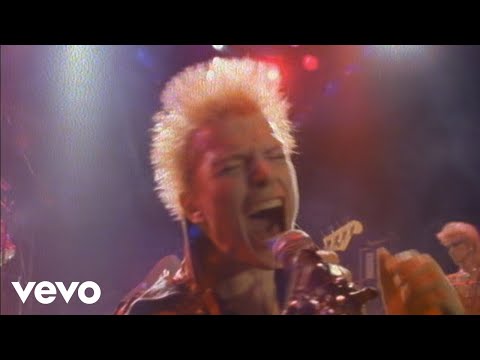
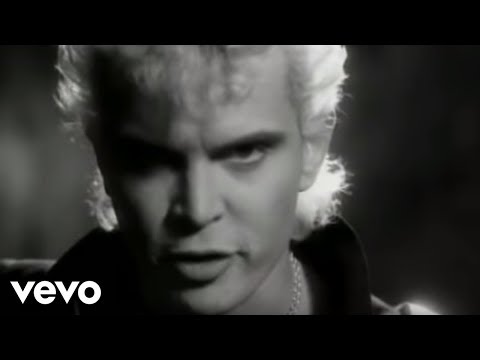
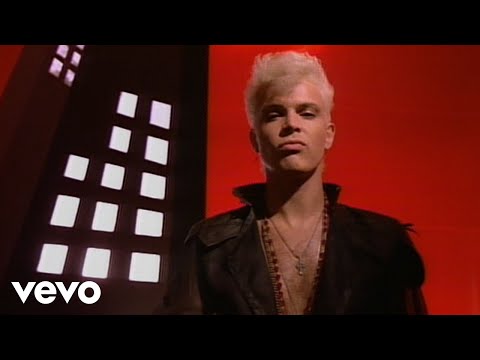
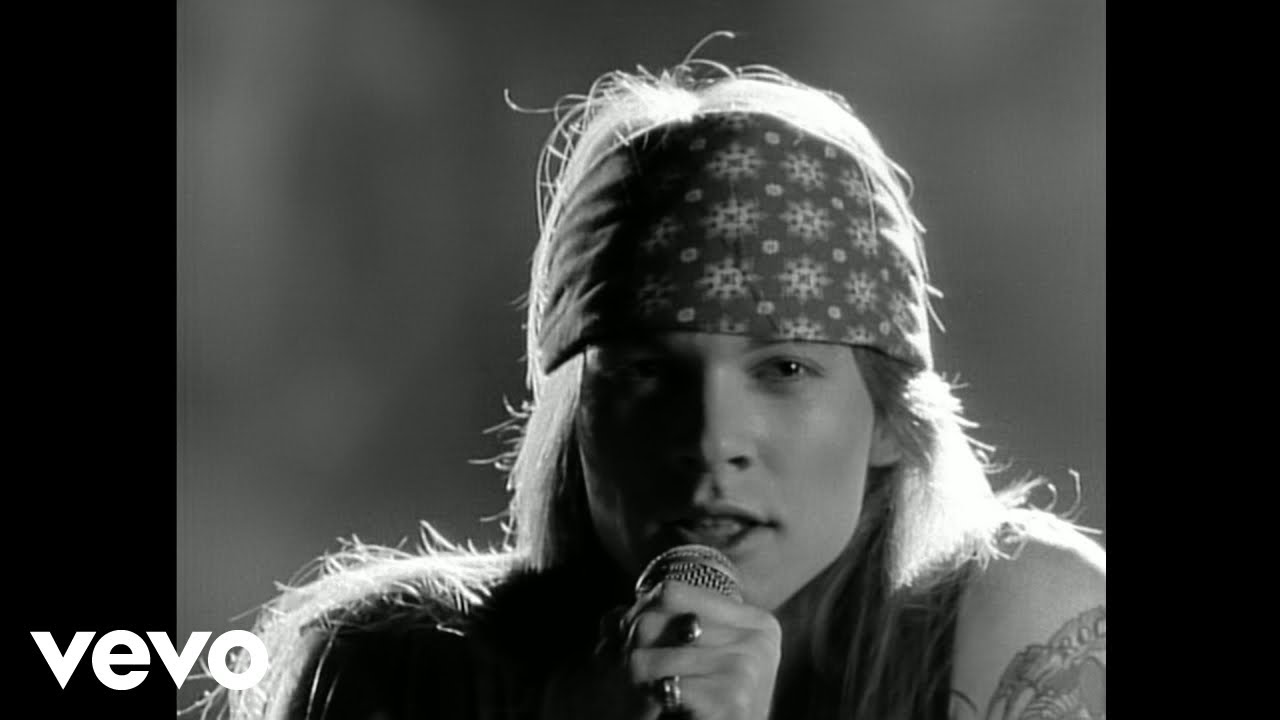
MTV launched in August 1981, and by the summer of 1982 it was becoming an increasingly important factor in the commercial fortunes of rock and pop acts. Idol's visual identity, built around the platinum blond hair, the sneering lip, the studded leather accessories, and the physical confidence that had been cultivated through the punk years, translated with exceptional effectiveness to the music video format. His "Hot In The City" video gave the channel's growing audience an image of rock rebellion that was simultaneously transgressive and commercially appealing, and the MTV exposure fed directly into the song's extended chart presence.
The biographical content of "Hot In The City" reflected Idol's actual experience of arriving in New York and responding to the energy of the city. The song captured the specific atmosphere of urban heat and possibility that Idol encountered, the sense of a city operating at full intensity that produced both excitement and a particular quality of edge. Idol was responding to New York as a creative environment, as a place where his persona and his musical approach could find the fullest possible expression, and the song communicated that response with genuine immediacy.
The 1982 chart climate placed Idol in interesting company. The Hot 100 that September included J. Geils Band, Steve Miller, John Cougar, and a range of new wave and pop acts including Men at Work and the Steve Miller Band. That "Hot In The City" reached number 23 in this environment established Idol as a genuine commercial force rather than a critical darling with limited popular appeal. The 27 weeks on the chart represented one of the longer runs for a rock single of that season, a testament to the song's durability and to the consistency of the promotion and radio support that Chrysalis Records provided.
A remix of the song would return to the chart in 1988, providing Idol with a second chart run on the same track and demonstrating the song's fundamental durability. The original 1982 recording, however, remains the primary document, the moment when Billy Idol announced his solo intentions with a record that was impossible to ignore. "Hot In The City" established the commercial and artistic template for a career that would produce major hits including "White Wedding," "Rebel Yell," and "Eyes Without a Face," all of which built on the foundation that this breakthrough recording had laid.
02 Song Meaning
Urban Heat and the Electricity of Arrival: What "Hot In The City" Communicates
Billy Idol wrote "Hot In The City" in response to a specific lived experience: arriving in New York for the first time and being struck by the quality of energy the city projected. The song attempts to capture something that is less a narrative than an atmosphere, the particular sensation of a city operating at full intensity in summer heat, where the physical environment and the human energy it contains seem to have reached a kind of critical mass. This is not a love song in any conventional sense; it is closer to a portrait of a place and a state of being, filtered through the heightened emotional register of rock and roll.
The heat in the title functions as both literal and metaphorical. Physically, summer urban heat creates a specific kind of social environment: people are forced out of their apartments, the streets become more intensely populated, and the ordinary social boundaries that regulate behavior in cooler weather seem to soften. The city in summer has a different character than the city in winter, more permeable, more alive to immediate sensation, more prone to the kinds of spontaneous encounter that come from proximity and heat-loosened inhibition. Idol was responding to this specific quality of urban summer experience.
But the heat is also the heat of desire and potential, the charged atmosphere of a city full of ambition and energy and possibility. Idol had arrived in New York as a performer seeking to establish a new identity and a new career, and the city he encountered was one that seemed to offer exactly the kind of supercharged environment in which such reinvention was possible. The song is therefore also about the emotional state of a person at the beginning of something, charged with anticipation and responsive to every stimulus the environment offered.
The musical setting that Idol and producer Keith Forsey created for this lyrical content was precisely calibrated to communicate the same quality of intensity. Steve Stevens's guitar work provided the sonic equivalent of urban electricity, sharp and propulsive, creating a sense of forward momentum that matched the physical and emotional energy the lyrics described. The production was dense and immediate, designed to hit the listener with something close to the impact of the city experience itself.
Idol's vocal delivery was essential to the song's meaning. He had developed through the punk era a vocal approach that emphasized confrontation and physical presence, a way of singing that communicated not just emotional content but a kind of bodily commitment to the performance. Applied to the urban heat subject matter of "Hot In The City," this approach gave the song an authenticity of physical experience that more detached or ironic delivery could not have achieved. He sounded like someone who had actually felt what he was singing about.
The song also made an implicit argument about the relationship between place and identity. Cities are not merely backdrops to human experience; they actively shape it, creating specific conditions that produce specific kinds of consciousness and desire. New York in 1982 was a city of intense creative energy, home to the punk and new wave scenes that had shaped Idol's artistic formation, and also a city dealing with serious social and economic pressures. The heat of the city in the song encompasses all of this: the creative charge, the social intensity, the sense of a place fully alive to its own complicated existence. In capturing that quality of urban experience, Idol created something that resonated well beyond the specific moment and place that inspired it.
→ More from Billy Idol
View all Billy Idol hits →

→ More from the 1980s File
View all 1980s hits →


Keep digging