The 1980s File Feature
When We Kiss
Bardeux's "When We Kiss": Freestyle's Electronic Pulse Reaches the Top Forty In the spring of 1988, Bardeux placed "When We Kiss" on the Billboard Hot 100 an…
01 The Story
Bardeux's "When We Kiss": Freestyle's Electronic Pulse Reaches the Top Forty
In the spring of 1988, Bardeux placed "When We Kiss" on the Billboard Hot 100 and climbed to a peak position of number 36, marking one of the more notable chart achievements of the freestyle and dance-pop movement during the genre's commercial peak years. The duo, consisting of Stacy Lee Mikel and Millissa Anne Johnston, had emerged from the Los Angeles club scene and the network of independent dance labels that were converting freestyle's regional momentum into national commercial results. Their success with "When We Kiss" placed them alongside acts like Lisa Lisa & Cult Jam, Expose, and Seduction in a genre moment that was generating genuine mainstream crossover activity.
Freestyle music had developed primarily in New York and Miami during the early-to-mid 1980s, drawing on the electronic sounds of post-disco, the rhythmic programming of early hip-hop, and the melodic sensibility of Latin pop. The genre was distinguished by its dense synthesizer textures, programmed drum patterns, and the emotional directness of its vocal performances, which typically addressed romantic themes with a forthright urgency that mainstream pop often avoided. By 1987 and 1988, the genre had developed a substantial national presence through a combination of club play, urban radio, and the promotional infrastructure of independent dance labels.
Bardeux was signed to Sire Records, a label with a varied roster that had found success in punk, new wave, and pop throughout the 1980s. The Sire affiliation gave Bardeux broader promotional reach than many freestyle acts, which typically operated through smaller independent operations. This advantage was reflected in the national chart performance of "When We Kiss," which benefited from more substantial radio promotion than was available to most of the duo's genre contempThe single debuted on the Hot 100 on April 16, 1988, entering at number 67. Its ascent was gradual and sustained, spending thirteen weeks on the chart and reaching its peak of number 36 during the week of June 4, 1988. Thirteen weeks on the survey was a strong performance for a dance-pop act that did not have the support of a major label's full promotional apparatus, and the peak position placed "When We Kiss" in territory that relatively few freestyle singles managed to reach on the pop chart.on the pop chart.
The production of "When We Kiss" was characteristic of late-1980s electronic pop production, featuring synthesizer lines that balanced melodic accessibility with the harder-edged rhythmic drive that distinguished freestyle from the softer end of pop. The drum programming provided the track with the forward momentum that was essential for club and radio play in the format, while the production's overall balance kept the vocal performance of Mikel and Johnston clearly audible. The harmonized vocal approach was one of Bardeux's distinguishing features, differentiating them from solo freestyle artists and giving the duo format a specific musical rationale.
The competitive landscape of the Hot 100 in the spring and summer of 1988 was crowded with diverse material. George Michael's "One More Try," Rick Astley's "Together Forever," and various Debbie Gibson and Tiffany releases were among the pop singles competing for airplay and chart position during the period of "When We Kiss"'s chart run. The fact that Bardeux managed a sustained thirteen-week presence in this environment spoke to the track's genuine commercial appeal beyond the freestyle core audience.
The duo released additional singles in 1988 and 1989, with varying chart results. "I Wanna Be Close to You" achieved some additional dance chart success, but the duo never replicated the Hot 100 performance of "When We Kiss." This trajectory was fairly typical of freestyle's commercial dynamic in the late 1980s: individual tracks could break through to mainstream chart positions, but sustained chart careers were difficult to maintain as the genre's initial novelty faded and the pop mainstream began absorbing elements of the freestyle sound into more broadly marketed productions.
By the early 1990s, freestyle was being displaced on dance floors and radio formats by the R&B and new jack swing sounds that would define the decade's early years. Acts like Bardeux that had been prominent in the late-1980s dance world found diminished commercial opportunities in the new landscape. The recordings they had made during the genre's peak period, however, retained loyal audiences in the freestyle community and found new appreciation in the retrospective assessments of 1980s dance music that became increasingly common as that decade's cultural production was reevaluated with historical distance. "When We Kiss" has remained one of the most-streamed Bardeux recordings and one of the more frequently cited examples of mainstream freestyle crossover success.
02 Song Meaning
The Meaning of "When We Kiss" by Bardeux
"When We Kiss" operated within the thematic conventions of freestyle pop with characteristic directness. The song centered on the experience of a specific intimate moment, the kiss as the point at which emotional connection became physical reality, and used that moment as the organizing principle for its account of romantic feeling. The approach was simple but strategically sound: by focusing on a single, universally recognizable moment of physical intimacy, the song gave its listeners an anchor point for their own romantic experience.
Freestyle music had always been characterized by emotional directness. Where other pop genres sometimes approached romantic themes with irony, ambiguity, or narrative complexity, freestyle tended toward the unambiguous declaration of feeling. "When We Kiss" was consistent with this tendency. The song did not complicate its central theme with narrative obstacles or psychological nuance. It described the experience of the kiss and the feelings associated with it with a clarity that was the genre's defining emotional register.
The duo format of Bardeux added a dimension to the song that solo freestyle performances could not easily replicate. Two voices sharing the account of the same romantic experience created an implicit suggestion of a collective female perspective on romantic feeling. The harmonized vocals were not simply a production technique; they communicated something about the universality of the experience being described. Multiple voices singing the same thing simultaneously reinforced the sense that the feeling the song articulated was not individual but shared.
The electronic production that framed the vocal performances contributed its own layer of meaning. The synthesizer textures and programmed rhythms of late-1980s dance pop were associated with a particular kind of urban modernity, the club as the space where romantic connections were initiated and pursued. "When We Kiss" situated its romantic theme in this contemporary electronic landscape, which gave the song's somewhat timeless emotional content a specific period and place. The kiss it described was not a nostalgic or literary kiss but a contemporary one, occurring in the same sonic environment as the music that surrounded it.
The commercial success of the single at number 36 on the Hot 100 suggested that the song's combination of emotional accessibility and musical contemporaneity connected effectively with listeners beyond the freestyle core audience. The theme of romantic intensity centered on a kiss was, as its chart performance confirmed, genuinely universal in its appeal. Listeners who had no particular attachment to freestyle as a genre could find their own experience reflected in the song's central concern.
In retrospective consideration of freestyle's cultural significance, "When We Kiss" is sometimes cited as an example of the genre's ability to take the simplest romantic scenarios and charge them with genuine emotional urgency. The song did not attempt to do anything complicated or unexpected. It took the most fundamental and recognizable moment in the romantic experience, gave it a propulsive electronic setting and two sincere voices, and delivered it to audiences with enough musical conviction that the simplicity became a strength rather than a limitation. This was, at its most essential, what freestyle pop did best: treat simple feelings seriously and find in that seriousness a connection with listeners that more elaborate treatments could not reliably provide.
→ More from Bardeux
View all Bardeux hits →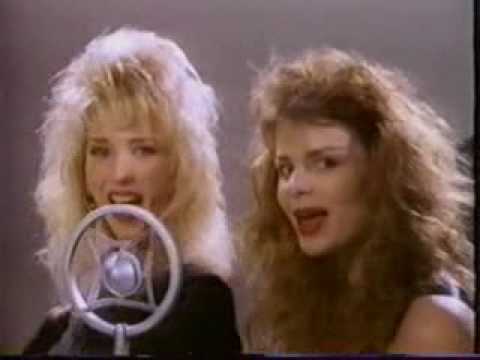

→ More from the 1980s File
View all 1980s hits →
Keep digging