The 1980s File Feature
More Than Physical
Bananarama's "More Than Physical" and the Transitional Mid-1980s By the autumn of 1986, Bananarama had established themselves as one of the most commercially…
01 The Story
Bananarama's "More Than Physical" and the Transitional Mid-1980s
By the autumn of 1986, Bananarama had established themselves as one of the most commercially durable acts to emerge from the early 1980s British pop scene. The trio of Sara Dallin, Keren Woodward, and Siobhan Fahey had navigated more than five years of recording activity, evolving from their early association with the Fun Boy Three toward an increasingly polished pop sound that had generated significant commercial success in both the United Kingdom and the United States. "More Than Physical," released in 1986 from the album True Confessions, entered the Billboard Hot 100 on October 18, 1986, debuting at number 98 and climbing to a peak of 73 during the week of November 8, 1986.
The single's chart trajectory covered five weeks: from 98 to 88, then to 77, then to the peak of 73, before retreating to 92 the following week. This pattern was consistent with a track that found a solid radio audience without achieving the kind of breakout crossover success that might have pushed it into the top 40. The peak of 73 was respectable for a British act whose American commercial standing was still being consolidated during this period, and the Hot 100 appearance contributed to the broader American awareness of Bananarama that their team was working to develop.
The True Confessions album had been produced by Stock Aitken Waterman, the British production team whose Hi-NRG and dance-pop sound was in the process of becoming one of the dominant commercial forces in British popular music during the mid-to-late 1980s. Pete Waterman, Mike Stock, and Matt Aitken had developed a highly efficient production methodology that emphasized driving rhythms, clear melodic hooks, and vocal treatments designed for maximum radio accessibility. Their work with Bananarama on True Confessions represented one of the early major collaborations that would eventually make Stock Aitken Waterman the most commercially successful British production team of the era.
The relationship between Bananarama and Stock Aitken Waterman would prove highly productive in commercial terms. The team's production approach suited the trio's strengths: their voices were not technically exceptional in the conventional pop sense, but they conveyed a directness and a youthful energy that the production style amplified effectively. The decision to work with Stock Aitken Waterman was part of a broader strategic evolution in Bananarama's approach to their recordings, moving from the more eclectic and DIY-influenced sound of their early work toward a more consistently polished and commercially focused aesthetic.
The American market had been a consistent target for Bananarama's commercial ambitions throughout their career. Their 1984 cover of "Cruel Summer" had achieved significant American exposure through its inclusion on the soundtrack of the film The Karate Kid, and their subsequent work had continued to receive attention from American radio programmers. "More Than Physical" benefited from this established American presence, with promotional activity coordinated to maximize its radio play in the formats most receptive to British synth-pop and dance-oriented material.
London Records, which handled Bananarama's British releases, coordinated with American distribution partners to ensure that the single received adequate market coverage. The promotional machinery supporting British acts in the American market during the mid-1980s had grown considerably more sophisticated since the Second British Invasion of the early part of the decade, when MTV's embrace of British video-oriented acts had dramatically expanded the possibilities for UK artists in the US market. By 1986, the structures for promoting British pop records in America were well established, and Bananarama's team was experienced in using them effectively.
Siobhan Fahey would leave the group in 1988 following her marriage to Dave Stewart of the Eurythmics, at which point Dallin and Woodward continued as a duo. The "More Than Physical" period thus falls within the classic three-member configuration that had defined Bananarama's commercial identity from their formation. The track captures the group at a point of creative consolidation, working with a production team that understood their strengths and deploying them within a commercial framework designed to maximize their reach.
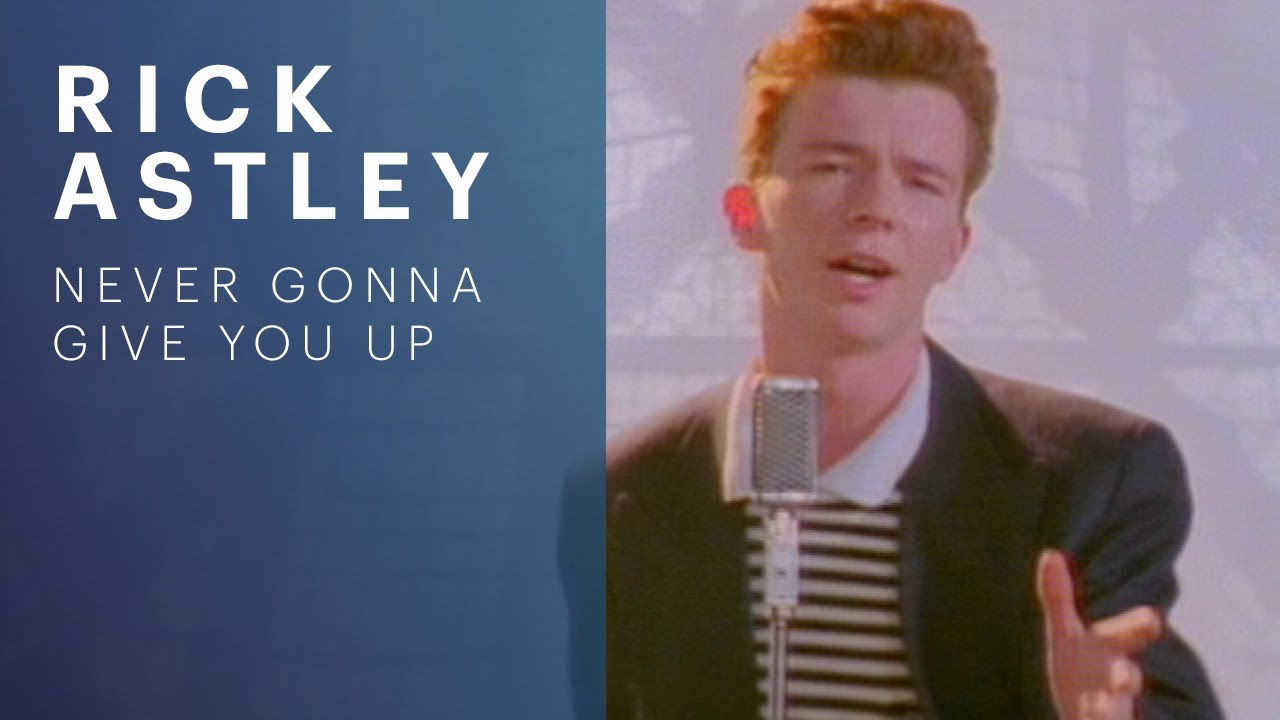
The Stock Aitken Waterman sound that frames "More Than Physical" would go on to dominate British commercial pop for the remainder of the decade, with the production team working with acts including Kylie Minogue, Rick Astley, and Jason Donovan among many others. Bananarama's early adoption of this production approach placed them at the vanguard of a commercial movement that would reshape British popular music significantly over the following years. The Hot 100 appearance of the single, modest as it was in peak position terms, reflected the ongoing American appetite for the polished, rhythm-driven British pop that Stock Aitken Waterman were in the process of perfecting.
02 Song Meaning
Beyond the Surface: The Meaning of Bananarama's "More Than Physical"
"More Than Physical" positions itself immediately within a familiar but enduring thematic territory: the assertion that genuine romantic connection transcends the merely bodily. The title's claim establishes the song's central argument before a single verse has been delivered, announcing that the relationship being described has dimensions that cannot be reduced to physical attraction alone. For Bananarama, whose image and appeal had always combined accessibility with a kind of breezy confidence, this thematic orientation allowed the track to engage with emotional depth while retaining the upbeat energy that defined their commercial persona.
The insistence on a connection that is "more than physical" carries within it an implicit critique of relationships defined by surface attraction alone. The speaker is not dismissing the physical dimension of romantic feeling but is instead asserting that it is insufficient on its own to account for the quality of the bond being described. This is a nuanced position for a pop song to occupy, and the fact that it appears in a track produced by Stock Aitken Waterman, a team not typically associated with emotional complexity, suggests that the lyrical content introduced a dimension of genuine reflection into what might otherwise have been a more straightforward dance-pop production.
The theme of transcending the physical in romantic experience connects the song to a long tradition of popular music concerned with defining the nature of real love. The desire to articulate what makes a particular romantic bond meaningful, as opposed to merely pleasurable, is one of the most persistent preoccupations in the songwriting of virtually every era and genre. What the mid-1980s pop context adds to this theme is a particular self-consciousness about the role of image and surface presentation in constructing romantic and social identity. In an era dominated by visual media and increasingly elaborate promotional imagery, the assertion that something "more than physical" defines a relationship carried a specific cultural resonance.
The trio's collective vocal delivery on the track contributed to its thematic effect in ways that deserve recognition. Bananarama's harmonic approach was distinctive within the British pop landscape of the era, and the three-voice blend that characterized their recordings conveyed a sense of collective affirmation rather than individual confession. When the claim that a bond is more than physical was delivered by three voices in combination, it acquired a quality of shared conviction that a solo vocal might not have produced as effectively.
The production framework supplied by Stock Aitken Waterman situated the thematic content within a context of contemporary dance music, which created a productive tension between form and content. The physical appeal of the driving rhythm track and the emotional claim encoded in the lyrics existed in dialogue with each other, with the music itself embodying the kind of attraction it was simultaneously arguing to transcend. This tension between the embodied experience of listening to dance music and the intellectual content of lyrics asserting emotional depth over physical sensation is one of the more interesting features of the recording when considered carefully.
Audiences who engaged with the single during its Hot 100 run in late 1986 were encountering the theme in a cultural moment marked by increasing public discourse about the relationship between physical and emotional connection, a discourse shaped in part by the AIDS crisis and its impact on how romantic and sexual relationships were publicly understood and discussed. The assertion of a connection "more than physical" resonated in this context with a weight that the songwriters may not have fully anticipated, adding a layer of contemporary relevance to a theme that might otherwise have registered as more conventionally romantic in its implications.
→ More from Bananarama
View all Bananarama hits →


→ More from the 1980s File
View all 1980s hits →

Keep digging