The 1980s File Feature
It's All I Can Do
It's All I Can Do Anne Murray's Quiet Persistence in 1981 The Canadian Voice That Wouldn't Quit By the fall of 1981, Anne Murray had been defying expectation…
01 The Story
It's All I Can Do — Anne Murray's Quiet Persistence in 1981
The Canadian Voice That Wouldn't Quit
By the fall of 1981, Anne Murray had been defying expectations for over a decade. The Nova Scotia-born singer had crossed from country to pop and back with a ease that most artists could only envy, accumulating Grammy Awards and gold records along the way. When It's All I Can Do arrived on the Billboard Hot 100 in late September, Murray was in the middle of one of the most sustained commercial runs of her career, a period that saw her maintaining relevance on both country and pop charts simultaneously.
A Career Built on Consistency
Murray's distinction as a recording artist in this period was her ability to deliver emotional sincerity without melodrama. Where many of her contemporaries in country-pop reached for grandiose productions and outsized performances, Murray trusted her voice and her material. Her 1974 Grammy for Best Female Pop Vocal Performance had established her as a genuine crossover force, and by 1981 she had built an audience that was broad, loyal, and resistant to the fashion cycles that swept other careers off course. It's All I Can Do came from this period of confident, assured artistry.
Nine Weeks and a Peak at 53
The single debuted on the Billboard Hot 100 on September 26, 1981, beginning its ascent from number 86. The climb was gradual and steady, reaching its peak of number 53 on October 24, 1981 after five weeks on the chart. The song spent nine weeks total on the Hot 100, a solid run that reflected consistent radio support. On country-specific charts, where Murray's core audience lived, the performance was stronger, and the single contributed to an album campaign that kept her name prominent in a competitive marketplace.
Early 1980s Country-Pop and the Adult Contemporary Lane
The adult contemporary format was, by 1981, one of the most commercially significant in American radio, and Murray was among its most reliable performers. The format rewarded clarity, emotional accessibility, and production values that sat comfortably between country warmth and pop polish. Murray's recordings from this period hit that target consistently, finding the right balance between genre identification and mainstream appeal. It's All I Can Do operated in exactly that space, a song that country listeners could claim as their own while pop audiences found the production approachable enough to make room for it.
Legacy of an Uncomplicated Greatness
Anne Murray's commercial records from the late 1970s and early 1980s are sometimes underestimated precisely because they worked so reliably. There is a tendency to confuse consistency with ease, to assume that music which sounds effortless was effortless to make. Murray's albums from this period reflect careful song selection, disciplined production, and vocal performances that prioritize communication over showing off. It's All I Can Do is a small but characteristic example of that approach: a song that does its job beautifully and asks to be heard rather than studied. Press play and hear why she kept winning.
Murray recorded throughout the early 1980s with a discipline that reflected both professional maturity and genuine artistic commitment. She was not a performer who chased trends or repackaged herself for each new wave of fashion; she made the same kind of record over and over, and that consistency was the consistency of a craftsperson who had found their voice and chose to trust it. This made her commercially durable in a way that more volatile artists rarely managed to sustain across a full decade.
The production team surrounding Murray during this period understood how to frame her voice without overwhelming it. The arrangements from these sessions are models of restraint, giving the vocal room to breathe and the lyric room to land. That production intelligence is a major reason her records from the early 1980s continue to sound well-made rather than simply dated. It is All I Can Do benefits from all of those qualities: the right voice, the right song, and the right production philosophy working together in disciplined alignment.
"It's All I Can Do" — Anne Murray's singular moment on the 1980s charts.
02 Song Meaning
The Limits of Love: What Anne Murray Captured in "It's All I Can Do"
Restraint as an Emotional Statement
The title It's All I Can Do positions its narrator at an interesting edge: not overflowing with feeling, not indifferent, but doing the maximum that circumstances permit. That phrase, "all I can do," suggests both effort and limitation simultaneously, and that tension is where the song's emotional life resides. Anne Murray was drawn to material that acknowledged complexity without dwelling in it, and this song fits that pattern precisely. The declaration is quiet but carries real weight.
Emotional Restraint and Country-Pop Sensibility
The country tradition from which Murray drew heavily has always had a particular relationship with stoicism. Country music's emotional vocabulary includes plenty of heartbreak and passion, but also a strain of plain-spoken endurance, the idea that carrying on is itself a form of strength and love. It's All I Can Do operates in that tradition without becoming a cliche of it. Murray's vocal delivery communicates genuine feeling without overselling it, which is the harder technical challenge and the one that separates skilled performers from merely capable ones.
The Adult Contemporary Emotional Register
Adult contemporary as a format in 1981 served a specific audience: listeners who had aged past the volatility of their teenage music consumption and were looking for songs that spoke to the emotional texture of adult life. Relationships in adult contemporary radio were not usually the dizzy romances of pop or the abject heartbreak of classic country; they were more complicated, marked by history, obligation, and the particular tenderness of people who have already learned some hard lessons. Songs like "It's All I Can Do" spoke directly to that experience, acknowledging that adult love involves effort and limitation alongside feeling, and that acknowledging those limits honestly is its own form of devotion.
Murray's Vocal Intelligence
What elevated Anne Murray above many of her peers in this period was not technical power but interpretive intelligence. She read lyrics with careful attention to what each word was actually doing, and she delivered lines with the specific emotional weight the writing called for rather than the generic emotional weight that a less attentive performer might apply. This interpretive precision meant that even a song with relatively spare lyrical content could carry a full emotional charge in her performance, because she found and communicated the specific feeling the words were reaching for. It is a skill more common among jazz singers than country-pop artists of the era, and it gave Murray's recordings a depth that has allowed them to age well.
Why the Song Resonates Beyond Its Era
The emotional situation described in It's All I Can Do, the experience of loving someone fully within the constraints of what is possible, is not historically specific. Human relationships have always involved the negotiation between what one feels and what one can act on, between desire and circumstance. Songs that capture this negotiation honestly tend to find listeners across multiple generations because the underlying experience remains constant even as the cultural trappings change. Murray's recording situates itself in a very specific sonic moment, early 1980s country-pop with its characteristic production textures, but the emotional core travels. That combination of period-specific texture and universal emotional content is what keeps these recordings in circulation decades after their original chart run.
→ More from Anne Murray
View all Anne Murray hits →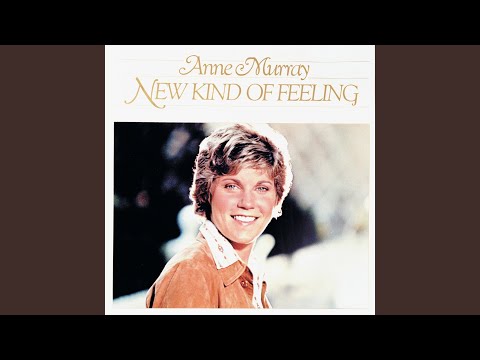


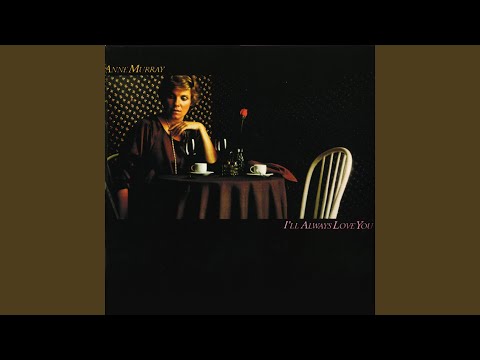

→ More from the 1980s File
View all 1980s hits →



Keep digging