The 1980s File Feature
Rag Doll
The Comeback Swagger of Rag Doll by Aerosmith Picture the late 1980s, an era of big hair, bigger choruses, and MTV ruling the airwaves. Against that backdrop…
01 The Story
The Comeback Swagger of "Rag Doll" by Aerosmith
Picture the late 1980s, an era of big hair, bigger choruses, and MTV ruling the airwaves. Against that backdrop, one of America's greatest rock bands was completing a remarkable resurrection. Aerosmith, written off by many as casualties of the previous decade's excess, came roaring back, and "Rag Doll" was one of the swaggering, blues-soaked singles that proved the Boston veterans still had plenty of fire left in them.
A Band Reborn
By 1988, Aerosmith were in the middle of one of rock's most celebrated comebacks. The band had survived the drug-fueled turmoil that nearly destroyed them, gotten sober, and reunited their classic lineup. Their 1987 album Permanent Vacation was the record that put them firmly back on top, blending their gritty hard-rock roots with a newfound polish and a savvy embrace of the music-video age. "Rag Doll" was one of that album's key singles, a strutting, horn-flecked rocker that showcased a band rediscovering its mojo.
A Cocktail of Blues and Glam
The track is built on a loose, bluesy swagger, full of slide guitar and a brassy kick that gives it a rowdy, good-time feel. Steven Tyler's vocals are pure mischief, dripping with the playful sleaze that has always been part of Aerosmith's charm, while Joe Perry's guitar work provides the gritty backbone. The song was co-written with outside collaborators, part of the band's strategic approach on Permanent Vacation to craft radio-friendly hits without sacrificing their identity. The result is a song that sounds both classic and contemporary, vintage Aerosmith filtered through late-1980s gloss. The horns in particular give it a celebratory, almost carnival quality, the sound of a band reveling in its own revival.
The Art of the Rock Comeback
It is hard to overstate how unlikely Aerosmith's return seemed at the time. Bands rarely come back from the kind of collapse they had suffered, and fewer still return to genuine commercial dominance. Permanent Vacation was a calculated yet heartfelt reinvention, pairing the band's blues-rock instincts with the polished sensibilities of late-1980s radio and the visual storytelling of MTV. The strategy paid off spectacularly, and songs like "Rag Doll" were proof of concept, demonstrating that the band could craft hits without abandoning the swagger that made them great. The video-friendly era suited their theatrical instincts perfectly, and Steven Tyler proved a natural showman for the MTV age, his scarves and microphone stand becoming iconic all over again.
A Solid Showing on the Hot 100
On the Billboard Hot 100, "Rag Doll" performed respectably. It debuted at number 86 on June 4, 1988 and climbed steadily through the summer, eventually peaking at number 17 on August 20, 1988. It enjoyed a healthy run of seventeen weeks on the chart, a sign of the sustained radio and MTV support that powered the band's comeback. While not their biggest hit, it was an important piece of the puzzle, helping Permanent Vacation become a multi-platinum success and setting the stage for the even greater triumphs to come.
A Stepping Stone to Greater Heights
The momentum from Permanent Vacation and singles like "Rag Doll" carried Aerosmith into the era of Pump and Get a Grip, albums that would make them one of the biggest rock acts of the 1990s. Looking back, "Rag Doll" stands as a marker of a band fully reclaiming its place at the top, no longer a nostalgia act but a vital, hit-making force. The song remains a fan-favorite deep cut, a reminder of the swagger that fueled their second act.
Press Play and Let It Strut
Crank this one up and let its bluesy swagger take over. The slide guitar, the brassy punch, Tyler's gleeful delivery, all of it adds up to a rock and roll party. It is the sound of a legendary band having fun again, and that joy is impossible to resist.
"Rag Doll" — Aerosmith's singular moment on the 1980s charts.
02 Song Meaning
What "Rag Doll" by Aerosmith Really Means
True to Aerosmith's well-worn formula, "Rag Doll" is a celebration of attitude, attraction, and the loose, freewheeling spirit of rock and roll. It is less a song with a deep narrative message than a mood piece, a strutting ode to a certain kind of woman and a certain kind of carefree, sensual energy. Its meaning lives in its swagger more than in any literal storyline.
A Character Sketch in Song
The lyrics paint a portrait of a free-spirited, alluring woman, the "rag doll" of the title. The song revels in playful innuendo and flirtatious imagery, capturing the kind of magnetic figure who has long populated Aerosmith's catalogue. There is no grand statement here, just a vivid sketch of desire and personality delivered with Steven Tyler's trademark wink.
The Spirit of Good-Time Rock
What the song really expresses is an attitude rather than an argument. It embodies the carefree hedonism that has always been part of the band's identity, a celebration of fun, attraction, and living loud. This was a band that had nearly destroyed itself, now sober and channeling that energy into the music rather than self-destruction. The result is joy without the wreckage, swagger without the chaos.
Style as Substance
For a song like this, the delivery is the message. The bluesy strut and brassy arrangement communicate as much as the words, evoking a smoky, late-night world of flirtation and good times. Aerosmith have always understood that rock and roll is as much about feel and attitude as it is about lyrics, and "Rag Doll" leans fully into that philosophy.
Why It Resonated
In the context of the band's comeback, the song carried an extra layer of meaning for fans. It signaled that the classic Aerosmith spirit was alive and well, that the swagger and sensuality of their 1970s heyday had survived their troubles intact. Audiences embraced it as both a fun radio hit and a reassuring sign that one of rock's great bands was truly back, having a blast and inviting everyone to join in. There is a deeper resonance in that, too. A band that had stared down the very real possibility of self-destruction was now channeling all that wild energy into joyful, life-affirming rock and roll. The hedonism of the lyric reads differently when you know the survival story behind it. What once might have been reckless now sounds like a celebration of having made it through, of choosing the music over the chaos. That subtext gave the song an emotional weight that pure party anthems rarely carry, and fans felt it. The swagger means more when you know what it cost to reclaim it. In that light, the song's good-time spirit reads as something close to gratitude, a band celebrating the simple fact of still being here to play.
→ More from Aerosmith
View all Aerosmith hits →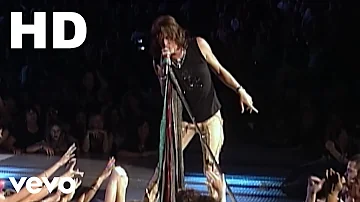



→ More from the 1980s File
View all 1980s hits →


Keep digging