The 1970s File Feature
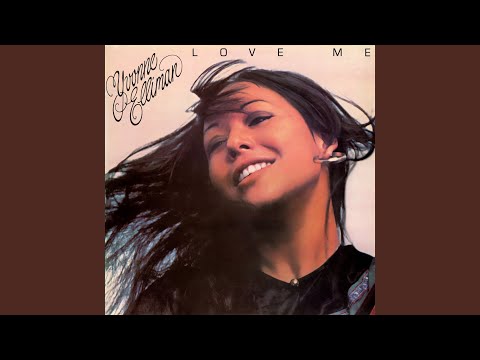
Love Me
Love Me — Yvonne Elliman's Slow-Burning Ascent in 1976 and 1977 A Voice Behind the Curtain, Then Center Stage Yvonne Elliman had spent years making other peo…
01 The Story
Love Me — Yvonne Elliman's Slow-Burning Ascent in 1976 and 1977
A Voice Behind the Curtain, Then Center Stage
Yvonne Elliman had spent years making other people's records more compelling before she made her own chart presence undeniable. The Hawaii-born singer had been the voice of Mary Magdalene in the original stage production and film of Jesus Christ Superstar, a role that established her vocal gifts with anyone who was paying attention. She had sung backup for Eric Clapton during his extended touring in the mid-1970s, appearing on his live recordings and developing a reputation among musicians as one of the most reliable and distinctive background voices in the business. By the time she released her solo material for RSO Records, she had a resume that would have impressed any industry professional, even if her face was not yet attached to a name that pop radio audiences recognized.
RSO Records, the label founded by Robert Stigwood, was emerging as one of the most commercially potent labels of the late 1970s, positioned to break enormous with the Saturday Night Fever soundtrack in 1977. Elliman's signing to the label placed her within a network of production talent and commercial infrastructure that would serve her well as she pursued a solo breakthrough.
The Song and Its Journey to Radio
Love Me was a single designed for adult contemporary radio, built around Elliman's pure, warm soprano and a production aesthetic that favored emotion over flash. The arrangement gave her voice room to move, building the song's intensity gradually rather than overwhelming the listener from the first bar. The lyrical content inhabited familiar romantic territory: the direct expression of feeling, the desire for mutual recognition, the emotional stakes of vulnerability in love. What distinguished the recording was not its lyrical novelty but the quality of delivery, the sense that the voice carrying the words genuinely believed in them.
The production style reflected the mainstream pop-soul direction that RSO was developing in this period, smooth enough for easy listening radio but soulful enough to carry genuine feeling. The combination proved effective.
Nineteen Weeks and a Christmas Peak
The single entered the Billboard Hot 100 on October 2, 1976, debuting at number 85. Its climb through the autumn and into the holiday season was gradual but persistent: 75, then 64, then 54, then 44, the chart position improving week by week as the song found its audience. The track reached its peak position of number 14 on December 25, 1976, peaking precisely on Christmas Day after 12 weeks of climbing, and it continued on the chart until early 1977, spending 19 total weeks on the Hot 100. A holiday peak for a song of this emotional warmth was fitting.
The 19-week chart run placed the single among the more durable pop releases of that period, indicating the kind of sustained audience engagement that accumulated over months rather than the spike-and-decline pattern of trend-driven releases. Adult contemporary radio, which formed the backbone of the song's audience, tended to favor exactly this kind of slow-building performer.
The RSO Universe
Being part of the RSO Records roster in this period meant operating within a specific commercial environment. Robert Stigwood's label was building toward the cultural juggernaut of the Bee Gees' disco dominance and the Saturday Night Fever phenomenon, and the infrastructure being assembled for those projects also benefited artists like Elliman who were positioned alongside the label's flagship acts. Elliman would eventually score her biggest hit in 1978 with "If I Can't Have You" from the Saturday Night Fever soundtrack, but "Love Me" established the audience and commercial foundation that made that later success possible.
The RSO aesthetic of the period was polished and professional without being impersonal, and Elliman's voice gave those productions a warmth that the most mechanically precise recording could not have manufactured.
Background Talent, Foreground Result
Yvonne Elliman's path to solo success via years of collaborative and background work followed a pattern that was not uncommon in pop music's infrastructure, but few artists converted that background experience into a solo career with as much grace. The credibility she had accumulated through her work on Jesus Christ Superstar and with Eric Clapton gave her early solo releases a quality of authentic musicianship that purely manufactured solo careers often lacked. Radio listeners who could not have named the specific source of that quality could feel its presence.
The recording of "Love Me" stands as an early document of that quality before it reached its full expression. Find it and let the voice do what it always did: make you feel the feeling without showing you the mechanism.
"Love Me" — Yvonne Elliman's singular moment on the 1970s charts.
02 Song Meaning
Love Me — Directness, Vulnerability, and the Art of the Open Declaration
The Love Song as Pure Statement
There are love songs that approach their subject through indirection, circling the central feeling through metaphor and narrative. "Love Me" takes the more direct path, placing the declaration at the center of the song's structure and letting everything else serve that core emotional statement. The title and the command embedded in it, the request to be loved, establishes the song's premise without evasion. This is a recording organized around the act of asking, and the asking requires a particular kind of courage: the willingness to state a need without knowing whether it will be met.
Yvonne Elliman's vocal performance made that act of asking feel genuine rather than performative. She did not mask the vulnerability in the lyric behind technical display or emotional distance. The voice carried the request with an openness that distinguished the recording from more guarded pop productions of the era.
Vulnerability and the Female Voice in 1970s Pop
The position of women in 1970s pop culture was undergoing significant transformation, and the music of the period reflected that transformation in complex and sometimes contradictory ways. The feminist movement was reshaping expectations about female expression and female desire, creating space for more varied forms of female self-presentation in popular culture. Within that context, a song organized around a woman's direct statement of romantic need occupied an interesting position.
The directness of "Love Me" could be read as both traditional and contemporary simultaneously. The willingness to state need openly, without apology or softening, aligned with a broader cultural shift toward authentic emotional expression. The song was not about performing strength at the expense of vulnerability, or performing vulnerability at the expense of strength; it was about stating a simple human need with clarity and confidence.
The Adult Contemporary Sound of 1976
Adult contemporary radio in 1976 was developing a very particular aesthetic: sophisticated but accessible, emotional but not raw, produced with enough care to reward listening on decent equipment but designed to work on the smaller speakers of car radios and kitchen sets. The production surrounding "Love Me" fit that aesthetic with considerable precision, providing a sonic environment that served Elliman's voice without competing with it.
The sound was characteristic of a period when pop production had access to both the technical advances of studio recording and the musical sophistication of players trained in jazz and classical traditions. The resulting recordings were often more complex than they appeared on first listen, built on harmonic and rhythmic foundations that gave them a quality of depth even when the surface seemed smooth.
Building Toward a Bigger Moment
For listeners who encountered "Love Me" in late 1976, the song's pleasures were sufficient on their own terms. For listeners who encountered it in retrospect, knowing that Elliman was less than two years away from "If I Can't Have You" and the Saturday Night Fever phenomenon, the recording carries additional interest as an artifact of a voice in the process of finding its full commercial context. The qualities that would make her 1978 hit so compelling, the purity of tone, the emotional authenticity, the production sensibility that balanced polish with feeling, were all present here in slightly quieter form.
Great voices develop incrementally, and what the 19-week Hot 100 run of "Love Me" documented was exactly that development. The audience that found the song and stayed with it through nearly five months on the chart was recognizing something that would reward its loyalty. They were not wrong.
→ More from Yvonne Elliman
View all Yvonne Elliman hits →

→ More from the 1970s File
View all 1970s hits →




Keep digging