The 1970s File Feature
I'm So Proud
I'm So Proud: The Main Ingredient's RCA Recording of the Curtis Mayfield Standard (1970) Note: "I'm So Proud" was written by Curtis Mayfield and originally r…
01 The Story
I'm So Proud: The Main Ingredient's RCA Recording of the Curtis Mayfield Standard (1970)
Note: "I'm So Proud" was written by Curtis Mayfield and originally recorded by the Impressions. This article covers the version recorded by The Main Ingredient for RCA Records in 1970.
Curtis Mayfield's songwriting for the Impressions produced some of the most sophisticated and emotionally resonant music in the soul canon during the 1960s, songs that combined the gospel harmonic tradition with a lyrical sensibility capable of moving between romantic subject matter and communal, even political expression with extraordinary fluency. "I'm So Proud," written and recorded by the Impressions in the mid-1960s, was one of the more tenderly personal entries in that catalog, a declaration of love and pride in another person's qualities rather than the political uplift songs for which Mayfield would later become most celebrated. Its emotional directness made it a natural candidate for cover versions by other soul and R&B artists who recognized the depth of the underlying material.
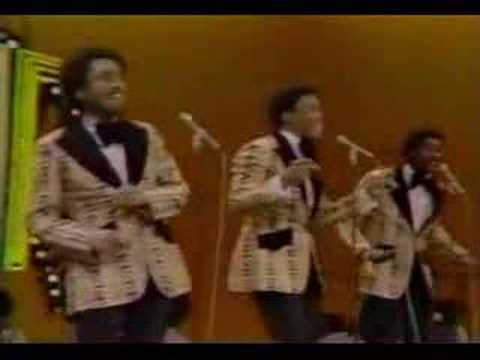
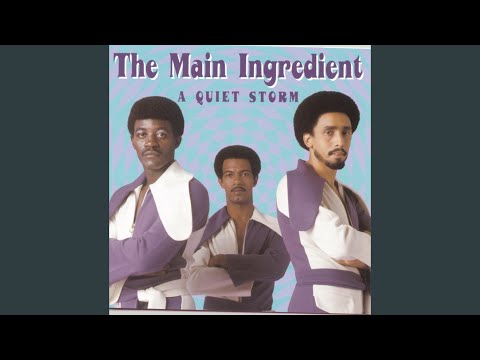
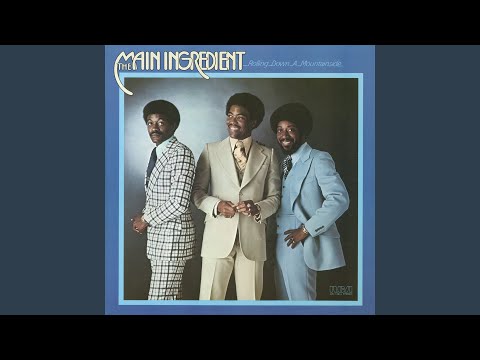
The Main Ingredient, formed in New York and known for their smooth, polished harmony work, recorded their version of the song for RCA Records in 1970. The group, which at various points featured Donald McPherson, Cuba Gooding Sr., and Luther Simmons Jr., had developed a style that drew on the close-harmony tradition of doo-wop and early soul while incorporating the more sophisticated production approach that major-label recording in the late 1960s and early 1970s made available. Their version of the Mayfield song was an early entry in their RCA catalog, appearing before the group achieved their greatest commercial success with "Everybody Plays the Fool" in 1972.
RCA Records had a complicated relationship with soul music during this period, lacking the deep institutional connection to the genre that labels like Atlantic, Stax, and Motown possessed but attempting to compete in the market through signings like the Main Ingredient and through production approaches that approximated the sound of more genre-specialized competitors. The Main Ingredient's recordings for RCA during this period demonstrated a genuine musical quality that sometimes exceeded what the label's infrastructure could fully exploit commercially, but the material itself was consistently strong.
The Main Ingredient's approach to "I'm So Proud" emphasized the harmonic richness of the Impressions' original, their vocal blend creating a texture that honored the close-harmony tradition from which the Mayfield song had emerged. The production was in the orchestral soul idiom that was standard for major-label recordings of the period, with string arrangements and rhythm section work that provided a polished backdrop for the vocal performance. The group was capable of conveying the emotional content of Mayfield's writing with genuine feeling, and their version of the song carried the warmth of the original material without simply replicating it.
The recording appeared at a moment when Curtis Mayfield's songs were being widely covered across the soul and R&B world, a reflection of his stature as one of the genre's preeminent songwriters. The Impressions had recorded with the ABC-Paramount and Curtom labels, and their catalog of Mayfield originals represented a deep well of material that other artists were beginning to draw from with increasing frequency. The Main Ingredient's choice of "I'm So Proud" signaled their respect for the Impressions' legacy and their confidence that the material could accommodate their own interpretive approach without being diminished by the comparison with the original.
The group's subsequent career at RCA would reach its commercial peak with "Everybody Plays the Fool," which reached number 3 on the Billboard Hot 100 in 1972, but their earlier recordings including the Mayfield cover established the musical foundation on which that later success rested. The version of "I'm So Proud" stands as part of the group's developmental period, a document of talented singers working with excellent material during the years when they were building toward their moment of widest commercial recognition.
The Main Ingredient went through personnel changes over the years but maintained a consistent commitment to the smooth, harmonically sophisticated soul style that had defined their approach from the beginning. Cuba Gooding Sr., whose son Cuba Gooding Jr. would later achieve fame as an actor, was central to the group's identity during their RCA years, and his tenor voice provided much of the group's distinctive character. Their version of the Mayfield song captured this characteristic voice at an early and already fully formed stage of the group's development as recording artists.
02 Song Meaning
The Meaning of I'm So Proud: Devotion, Dignity, and the Curtis Mayfield Legacy
Note: This article addresses The Main Ingredient's 1970 recording of "I'm So Proud," written by Curtis Mayfield and originally recorded by the Impressions.
"I'm So Proud" occupies a distinctive position in the Curtis Mayfield songwriting catalog precisely because it is one of his more purely personal love songs, one that approaches romantic feeling from a position of humble admiration rather than desire or longing. The speaker is proud not of himself but of the person he loves, and the emotional content is organized around the recognition of that person's qualities rather than around the speaker's own needs or the relationship's difficulties. This is a relatively unusual orientation for a pop love song, which more typically organizes itself around the speaker's experience of wanting or having or losing.
Mayfield wrote from within the gospel tradition in which pride in another person's spiritual and moral qualities was a recognized form of devotion, and "I'm So Proud" carries this tradition into the romantic domain. The admiration the speaker expresses is not merely physical attraction but something closer to reverence, a recognition that the person being addressed possesses qualities deserving of respect as well as love. This dimension gave the song an emotional depth that distinguished it from more superficial expressions of romantic feeling.
When The Main Ingredient recorded the song for RCA Records, they brought to it the harmonic sensibility of the close-harmony soul tradition in which they worked, emphasizing the song's choral qualities and its connection to the gospel and doo-wop inheritance that the Impressions had themselves drawn from. The group's vocal blend was suited to the material's warmth and its emphasis on devotion as a collective expression rather than a solitary sentiment, and their recording carried the communal quality that the best harmony singing creates.
The cultural significance of the song within the broader Impressions and Mayfield catalog is worth noting. Curtis Mayfield's songwriting in the 1960s moved across a wide spectrum from the explicitly political and communal songs of the civil rights era to deeply personal romantic material, and "I'm So Proud" represented the latter pole. The song offered evidence that Mayfield's gift was not limited to social commentary but extended to the more intimate registers of human feeling with equal facility.
For The Main Ingredient, choosing to record the song was itself a statement about their artistic values. They were aligning themselves with the Impressions' legacy, with the gospel-inflected soul tradition and with the Mayfield songwriting aesthetic that prioritized emotional sincerity and harmonic sophistication over purely commercial calculation. This alignment was consistent with the group's broader artistic identity and with the approach that would eventually bring them to wider recognition in the early 1970s.
The emotional register of "I'm So Proud" is tender and unhurried in a way that soul music of the period did not always achieve. The song does not build to a dramatic climax or resolve a romantic complication; it simply remains in the state of admiration it announces at the outset, making the expression of devotion itself the entirety of the song's content. This structural simplicity, which required genuine emotional commitment from any performer to sustain, was one of the song's quiet strengths, and The Main Ingredient's version demonstrated that they possessed exactly the kind of committed, unhurried vocal delivery that the material required.
→ More from The Main Ingredient
View all The Main Ingredient hits →

→ More from the 1970s File
View all 1970s hits →




Keep digging