The 1970s File Feature
Take It Back
The Story Behind Take It Back by The J. Geils Band A Bar Band Chasing New Sonic Territory By 1979, The J. Geils Band had spent nearly a decade building a rep…
01 The Story
The Story Behind "Take It Back" by The J. Geils Band
A Bar Band Chasing New Sonic Territory
By 1979, The J. Geils Band had spent nearly a decade building a reputation as one of the hardest-working, most electrifying live acts in American rock, blending blues, R&B, and raw garage-rock energy into a sound that had earned them a devoted following even as major crossover pop success remained just out of reach. Fronted by the charismatic Peter Wolf and anchored by Seth Justman's increasingly prominent keyboard work, the band was in the midst of a stylistic evolution, moving from their gritty blues-rock roots toward a sleeker, more new wave-influenced sound that would eventually deliver their biggest commercial triumphs in the early 1980s. "Take It Back" arrived as part of that transitional period, a single from the band's 1979 album Sanctuary.
Evolving the Formula for a New Decade
Seth Justman, increasingly taking on production duties, pushed the band toward tighter, more radio-friendly arrangements without abandoning the raw energy that had defined their earlier work. "Take It Back" reflects that balancing act, retaining the band's signature grit and Wolf's charismatic, half-sung, half-shouted vocal delivery while incorporating cleaner production values suited to the changing rock radio landscape of the late 1970s. It was music made by a band consciously repositioning itself for a new era without sacrificing the live-wire energy that had built their reputation in the first place.
A Steady Chart Showing
The single entered the Billboard chart on March 10, 1979, debuting at number 85. It climbed steadily over the following weeks, moving to 75, then 73, then 68, before reaching its peak position of number 67 on April 7, 1979. In total, the song spent 6 weeks on the chart, a respectable if modest showing that reflected the band's ongoing struggle to fully translate their formidable live reputation into consistent pop chart dominance, a gap that would finally close in dramatic fashion just a couple of years later.
Justman's Growing Studio Influence
Seth Justman's expanding role behind the boards during this period marked a meaningful shift in how the band approached recording, moving away from simply capturing their live energy on tape toward more deliberate, layered studio craftsmanship. That evolution in production philosophy, subtle as it may have seemed at the time, laid essential groundwork for the more polished, keyboard-forward sound that would eventually define the band's biggest commercial triumphs just a few years down the road.
Building Toward a Breakthrough
Though "Take It Back" did not become one of the band's signature hits, it represented meaningful progress in the sonic direction that would soon pay off enormously. Within just a few years, the band would fully embrace the sleeker, synthesizer-accented sound hinted at during this period, culminating in the massive success of their 1981 album Freeze-Frame and its chart-topping single. Songs like this one served as important stepping stones in that evolution, evidence of a band willing to experiment and adjust rather than simply repeating an increasingly dated blues-rock formula.
A Band Built on Live Reputation
Throughout the 1970s, The J. Geils Band's reputation rested heavily on their explosive live shows, documented on the massively successful live album Full House, which often outperformed their studio work commercially. That dynamic shaped how audiences and critics received studio singles like "Take It Back," often judged against the impossibly high bar the band had set for itself onstage, a challenge that made the band's eventual studio breakthrough all the more significant when it finally arrived.
Its Place in The J. Geils Band's Legacy
Today, "Take It Back" is remembered as part of an important transitional chapter for the band, evidence of the creative restlessness that eventually delivered their biggest commercial success. It captures a group actively reshaping their sound rather than coasting on past glories. Give it a listen and you can hear the connective tissue between the band's gritty blues-rock origins and the polished new wave sound that would soon make them superstars.
"Take It Back" — The J. Geils Band's singular moment on the 1970s charts.
02 Song Meaning
What "Take It Back" by The J. Geils Band Is Really About
Demanding Accountability in a Relationship
The song centers on a narrator confronting a partner over hurtful words or actions, demanding they retract what has been said or done rather than simply accepting an apology at face value. That kind of assertive, confrontational stance was characteristic of Peter Wolf's vocal persona throughout the band's catalog, a frontman never afraid to voice frustration and demand real accountability rather than settling for easy, unearned reconciliation between partners.
Wolf's Theatrical, Confrontational Delivery
Peter Wolf's vocal performance brings a theatrical intensity to the lyric, half spoken and half sung in a style that owed as much to soul and R&B tradition as to straightforward rock singing. That delivery style amplifies the song's central emotional demand, giving even a relatively simple lyrical premise, insisting someone take back their hurtful words, a real sense of dramatic urgency and personal stakes that carries through the entire track.
A Band Balancing Grit and Polish
Musically, the song's tighter, more radio-conscious production reflects the band's broader late-1970s effort to balance their raw, blues-rock instincts with a cleaner sound better suited to evolving rock radio formats. That tension between rawness and polish mirrors the lyric's own emotional tension, between confrontation and the underlying desire for genuine resolution and reconciliation within the relationship being described across the verses.
Late-1970s Rock's Shift Toward Directness
As punk and new wave reshaped expectations around lyrical directness in the late 1970s, established rock bands increasingly favored blunter, less metaphorically obscured songwriting. "Take It Back" fits that broader trend, favoring a clear, direct emotional demand over more elaborate storytelling, a stylistic shift that reflected changing tastes across the rock landscape during this transitional period in popular music history.
Why It Resonated with Rock Radio Listeners
Audiences responded to the song's energy and Wolf's commanding vocal presence, qualities that had already made the band beloved among rock fans through years of relentless touring. Even without reaching the band's later commercial heights, the song's assertive, high-energy delivery gave listeners exactly the kind of visceral, confident rock and roll performance The J. Geils Band had built their reputation delivering night after night on stage across the country.
A Stepping Stone Toward Bigger Statements
In retrospect, "Take It Back" reads as part of the band's broader artistic development, a demand for honesty and accountability delivered with the same conviction that would soon carry them to their greatest commercial success. Its themes of confrontation and demanded change mirror the band's own ongoing evolution during this pivotal creative era of their career. That evolution from confrontation toward eventual commercial triumph mirrors the arc of countless bands who had to work through a period of restless searching before finding the sound that would finally define them for mainstream audiences.
→ More from The J. Geils Band
View all The J. Geils Band hits →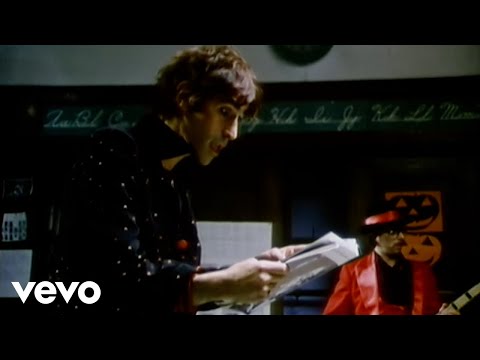



→ More from the 1970s File
View all 1970s hits →




Keep digging