The 1970s File Feature
Love The One You're With
The Isley Brothers Turn a Folk Confession Into Soul Fire on Love The One You're With Picture the summer of 1971: the optimism of the late sixties has curdled…
01 The Story
The Isley Brothers Turn a Folk Confession Into Soul Fire on "Love The One You're With"
Picture the summer of 1971: the optimism of the late sixties has curdled into something more restless, the dream of free love bumping up against the cold morning after. Vietnam still grinds on, the assassinations and riots of the recent past hang over everything, and the radio is searching for a sound that feels both grown-up and consoling. Into that mood walked the Isley Brothers, a group who had already lived three musical lifetimes, and they did what they always did best. They took a song the rest of the pop world was treating as gentle, breezy advice and dragged it into the church, the sweat, and the slow grind of deep soul. What had been a piece of casual philosophy became, in their hands, a heartfelt sermon.
Veterans Who Refused to Stand Still
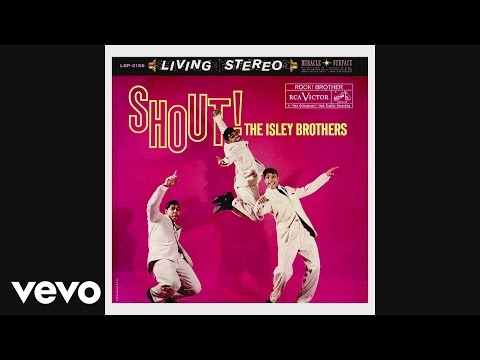
By 1971 the Isleys were anything but newcomers. They had cut the explosive "Shout" back in 1959, scored with "Twist and Shout" in 1962, and even employed a young Jimi Hendrix in their touring band during the mid-sixties, where his fiery guitar work foreshadowed the band's later sound. When the major-label machinery cooled on them, they did something audacious for a Black vocal group of the era: they built their own label, T-Neck Records, and seized control of their own destiny, choosing what to record and how to sound. The expanded lineup now folded younger brothers Ernie and Marvin plus brother-in-law Chris Jasper into the family operation, pushing the band toward a rawer, guitar-forward funk. Their reading of "Love The One You're With" sat on the 1971 album Givin' It Back, a record built almost entirely from covers of rock and folk hits reclaimed and reimagined through a soul lens, a bold statement of artistic ownership in a turbulent year.
From Stephen Stills to the Sanctified Groove
The song itself came from Stephen Stills, the Crosby, Stills & Nash mainstay whose own 1970 version had been a brisk, conga-driven Top 20 hit. Where Stills sounded like a man offering a casual romantic creed, the Isleys turned it into testimony. Ronald Isley's lead vocal pleads and exhorts, the harmonies swell like a Sunday morning choir, and the rhythm section digs in with the loose, percussive bounce that defined early-seventies soul. The arrangement breathes differently than the original; it sways rather than strides, finding the ache underneath the easy advice. Hand-claps, call-and-response, and a gospel fervor transform the message entirely. It was a masterclass in interpretation, proof that a great vocal group could uncover emotional depths a songwriter never knew he had left on the table, and that a cover could be an act of creation rather than imitation.
A Steady Climb Up the Hot 100
The single entered the Billboard Hot 100 on June 19, 1971, at number 72 and moved with quiet confidence. Within a fortnight it had leapt to 51, then to 37, then settled into the upper reaches as soul radio embraced it. It reached its peak of number 18 during the week of August 14, 1971, and logged a respectable 11 weeks on the chart. Those numbers carry real weight in context. For a cover competing directly against the songwriter's own famous and recent version, cracking the Top 20 was a genuine statement. Audiences heard the Isley take and recognized something fresh, something that earned its place beside the original rather than merely echoing it, and that recognition kept it on the survey for nearly three months.
A Bridge to the Funk Era Ahead
In the long arc of the Isley Brothers' career, this single sits at a crucial hinge point. The covers project that produced it was the band stretching its legs, testing how far it could bend rock and folk material toward soul before launching into the self-written funk classics that would define the rest of the decade, from the wah-wah explosion of "That Lady" to the bedroom smoothness of "For the Love of You." You can hear the seeds of that future in this recording, the confidence of a group that had decided to follow only its own instincts. The track has aged into a quietly beloved deep cut, its roughly 36 million YouTube views a testament to listeners who keep rediscovering how much warmth the Isleys poured into someone else's idea.
Cue it up and let those harmonies wash over you; this is the sound of seasoned pros making a borrowed song feel like it was theirs all along.
"Love The One You're With" — The Isley Brothers' singular moment on the 1970s charts.
02 Song Meaning
What "Love The One You're With" Really Says in the Isley Brothers' Hands
On its surface the song offers a simple, almost flippant piece of advice: when the person you long for is out of reach, turn your affection toward whoever happens to be near. In Stephen Stills's original it played as breezy counsel for a generation loosening its grip on traditional romance, a kind of musical shrug. But meaning lives in delivery, and when the Isley Brothers took hold of the lyric, they uncovered a tension the words had always quietly carried, transforming an idea into something far more human and conflicted.
Consolation or Compromise?
The central idea paraphrases as making peace with the present moment instead of pining for an absent love. Heard one way, it is generous and freeing, a release from the agony of distance and longing. Heard another, it is the sound of someone talking themselves into settling for less than they truly want. The Isleys lean into that ambiguity rather than resolving it. Ronald's vocal doesn't sell the advice as carefree; it carries a hint of persuasion, as if the singer is working to convince himself as much as anyone else. That undertow of doubt is precisely what elevates the performance above novelty and gives it emotional gravity.
The Sound of an Era Reconsidering Itself
Released in 1971, the song landed as the counterculture's free-love idealism was being tested by hard reality. The communal warmth of the late sixties was giving way to a more guarded, disillusioned decade. A lyric about loving whoever happens to be present sat right on that fault line, capable of sounding either liberated or lonely depending on who was listening and how badly they missed someone. The Isleys, masters of emotional nuance, let it sound like both at once, capturing the bittersweet ambivalence of a generation no longer sure its dreams would come true.
Why a Cover Outlived Its Source for Some Listeners
What made the Isley version resonate was its refusal to keep the song at arm's length. The gospel-rooted harmonies and the grit in the groove turned an abstract idea into a lived experience. You can almost feel the warmth of bodies in a room, the bittersweet comfort of company that isn't quite the company you wanted but is real and present and yours for the night. That is the gift great soul interpreters bring: they find the beating human pulse beneath the philosophy and make you feel it in your chest.
A Lasting Emotional Honesty
Decades later the track endures because its central question never stops being relevant. Everyone has, at some point, had to choose between holding out for an ideal and embracing what is real and within reach. The Isley Brothers didn't resolve that dilemma; they simply made it sing, wrapping the ache and the comfort together in the same warm sound. Their reading reminds you that the most ordinary romantic advice can hide a quiet sadness, and that the right voice, full of feeling and conviction, can pull that sadness straight to the surface and make it beautiful.
→ More from The Isley Brothers
View all The Isley Brothers hits →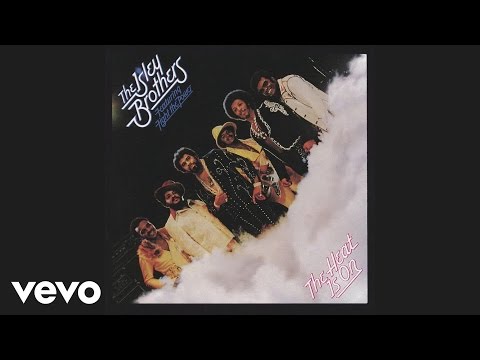

→ More from the 1970s File
View all 1970s hits →




Keep digging