The 1970s File Feature
Harvest For The World
Harvest For The World — The Isley Brothers' Plea for Equity A Band at the Height of Its Powers By 1976, the Isley Brothers had been making music for nearly t…
01 The Story
Harvest For The World — The Isley Brothers' Plea for Equity
A Band at the Height of Its Powers
By 1976, the Isley Brothers had been making music for nearly two decades, and their creative peak showed no signs of flattening. The Cincinnati family group, led by brothers Ronald, Rudolph, and O'Kelly Isley and expanded in the early 1970s to include younger siblings Ernie and Marvin along with brother-in-law Chris Jasper, had developed a musical personality of remarkable range. They could produce funk so dense it bordered on physical, tender ballads of aching beauty, and socially engaged anthems that carried real intellectual weight. "Harvest for the World" belonged to that last category, a song that stepped back from personal romantic narrative to address conditions facing entire communities.
The Making of a Conscious Classic
The track appeared on the album also titled Harvest for the World, released in 1976 on T-Neck Records, the Isleys' own label distributed through Epic Records. T-Neck gave the group unusual creative autonomy for the period, allowing them to pursue thematic and sonic directions that a purely commercial arrangement might have discouraged. The album was produced by the Isley Brothers themselves, with significant contributions from Chris Jasper on arrangements and keyboards. Ernie Isley's guitar work, already celebrated from earlier releases, gave the track its textured backbone, while Ronald Isley's lead vocal delivered the social message with a warmth that prevented the song from feeling like a sermon.
Climbing the Chart Through the Autumn
When "Harvest for the World" entered the Billboard Hot 100 on August 21, 1976, it debuted at number 92. The climb that followed was gradual and sustained, the kind of steady ascent driven by genuine radio support rather than a single promotional push. By October 2, 1976, the single had reached its peak position of number 63, spending eleven weeks on the chart in total. The context of its chart life matters: by late 1976, the Isleys were navigating a crowded R&B landscape where socially conscious material competed with the growing disco movement and the polished funk of competing acts. The fact that the track climbed at all, on the pop chart in particular, reflected how broad the group's reach had become.
A Message Rooted in Its Moment
The United States in 1976 was still processing the social upheaval of the preceding decade. The civil rights movement's legislative victories had not translated uniformly into economic equity, and the gap between American abundance and persistent poverty was visible to anyone paying attention. The Isley Brothers had always been politically and socially aware, and "Harvest for the World" gave that awareness its most direct and sustained expression to that point in their career. The song called for a more equitable distribution of resources and opportunities, framing the argument in terms of harvest and abundance; the world produces enough for everyone, the song suggested, if the systems of distribution could be made to serve all people rather than some. Ronald Isley's delivery made this moral argument feel personal rather than rhetorical.
Legacy and Influence
The song's life extended well beyond its initial chart run. It was covered by The Christians in 1988, and their version reached the UK charts, introducing the Isleys' composition to a new generation of listeners across the Atlantic. The original has been sampled, quoted, and referenced across decades of subsequent music, a testament to the durability of both the melody and the message. For the Isley Brothers' own legacy, "Harvest for the World" represents the fullest expression of their capacity to make music with explicit social purpose without sacrificing the musical sophistication that had always defined their best work. Returning to it today, the song retains its emotional authority and its political clarity. Give it a listen and hear one of the 1970s' most serious acts at their most genuinely ambitious.
"Harvest For The World" — The Isley Brothers' singular moment on the 1970s charts.
02 Song Meaning
Harvest For The World — Meaning and Themes
Abundance and Its Unequal Distribution
The central metaphor of "Harvest for the World" is as old as agricultural civilization: the harvest, that moment when the earth's productivity becomes visible and tangible, and the community gathers what has grown. The Isley Brothers use this image not nostalgically but as a lens for examining contemporary economic reality. The song asks why a world capable of generating such abundance fails to ensure that the harvest reaches everyone. This framing is both ancient and urgently modern, connecting the song to traditions of social protest while giving the argument a universality that transcended any single political moment or demographic group.
Moral Vision Without Didacticism
What keeps "Harvest for the World" from becoming heavy-handed is the care with which its emotional temperature is managed. Ronald Isley does not sing with anger or accusation; the tone is closer to sorrow and aspiration combined. The song grieves the gap between what is possible and what exists, rather than assigning blame in narrow terms. This rhetorical generosity was part of what made the message travel so widely; listeners who might have resisted a more confrontational framing found themselves moved by an appeal rooted in shared human longing rather than factional argument. The Isleys had always understood that music could carry serious content more effectively when the emotional delivery remained open rather than combative.
The R&B Tradition of Witness
The Isley Brothers were working within a long tradition of R&B music that took seriously its responsibility to document and respond to social conditions. From the gospel roots of the genre through the civil rights anthems of the 1960s and the funk-inflected social commentary of the early 1970s, Black American music had consistently served as a vehicle for collective testimony. "Harvest for the World" belongs to that lineage with full self-awareness. The production quality and melodic sophistication ensured that the song could carry its social content to the widest possible audience, including listeners who came primarily for the music and absorbed the message as a secondary reward.
Why It Still Resonates
The questions raised by "Harvest for the World" have not been answered in the decades since its release. Global inequality, resource distribution, and the relationship between wealth and human dignity remain as contested in the present as they were in 1976. Songs that address permanent rather than temporary conditions age differently from those tied to specific political moments, and the Isley Brothers' anthem belongs to the first category. Its durability as a covered and sampled work reflects the continuing relevance of its core argument, as each new generation finds in it a vocabulary for concerns that their own era has not resolved. The melody helps: it is beautiful enough to invite repeated listening long after the first hearing, which is how social music earns its longevity.
"Harvest For The World" — The Isley Brothers' singular moment on the 1970s charts.
→ More from The Isley Brothers
View all The Isley Brothers hits →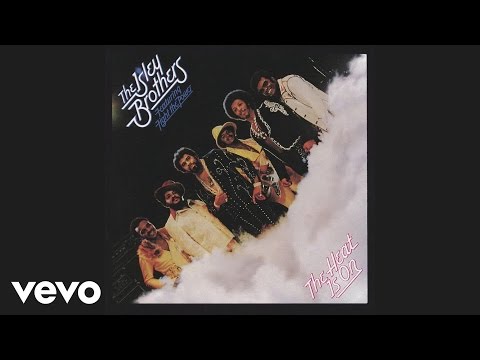

→ More from the 1970s File
View all 1970s hits →




Keep digging