The 1970s File Feature
Another Night
Another Night — The Hollies Return to the 1970s Charts The summer of 1975 was not the most commercially obvious moment for The Hollies to be charting in Amer…
01 The Story
"Another Night" — The Hollies Return to the 1970s Charts
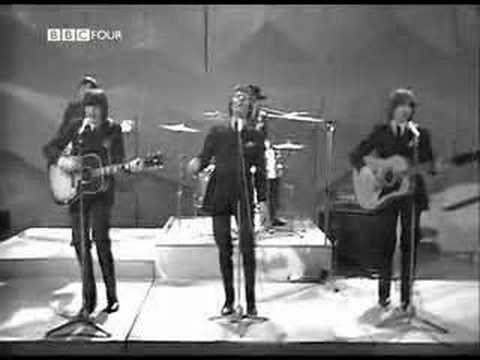
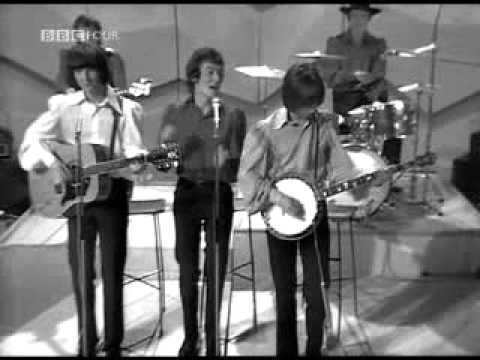
The summer of 1975 was not the most commercially obvious moment for The Hollies to be charting in America. The British group from Manchester had spent the 1960s as one of the more consistently successful British Invasion exports, producing a remarkable run of top-40 singles that made them one of the best-known acts of the era. The 1970s had brought lineup changes, a shift in the commercial landscape, and the inevitable reassessment that comes when the era that made you famous has receded into the past. "Another Night," a single that found a brief but genuine Hot 100 presence in the summer of 1975, represents a moment when the group was working to maintain their commercial visibility in a changed environment.
A Band With Deep Commercial Roots
By 1975, The Hollies had been making commercially significant music for over a decade. Their run of hits in the 1960s, from "Bus Stop" and "Carrie Anne" to "He Ain't Heavy, He's My Brother," had given them a commercial profile and a catalog that remained genuinely valuable even as the British Invasion's initial commercial wave had long since subsided. They had successfully navigated the loss of Graham Nash in 1968 and had continued producing records of consistent quality through the early 1970s. Their 1974 single "The Air That I Breathe" had been a significant commercial revival, reaching number 6 on the Hot 100 and demonstrating that their commercial appeal was far from exhausted.
The Sound of the Record
The Hollies' signature in this period was the quality of their harmonic blend, which remained one of the most distinctive sounds in British pop regardless of the specific stylistic direction of any individual recording. Tony Hicks's guitar work and Allan Clarke's lead vocal had defined the group's sonic identity through multiple lineup changes, and "Another Night" drew on these established qualities while working within the softer, more orchestrated pop-rock sound that the mid-1970s mainstream favored. The production is polished and professional, the work of a group that had learned from decades of experience exactly what worked for their specific combination of abilities.
Three Weeks and a Peak at Number 71
"Another Night" debuted on the Billboard Hot 100 on June 28, 1975, entering at number 82 and climbing to its peak position of number 71 on July 5, 1975, where it held for a second week before departing the chart. The single spent just three weeks on the chart in total, a brief but genuine Hot 100 appearance that nonetheless represented a meaningful commercial moment for a group that was working to sustain its American presence in the mid-1970s. The brevity of the run reflected the competitive commercial environment rather than any deficiency in the record itself.
Mid-Seventies British Pop on the American Charts
The Hot 100 in the summer of 1975 was navigating a particularly diverse musical moment in American pop. The early stirrings of disco were beginning to register, the singer-songwriter tradition was at its commercial peak, and British acts of various kinds were maintaining a presence that was no longer the dominant commercial force it had been in the mid-1960s but that remained commercially significant in specific niches. The Hollies occupied a well-established position in this landscape, valued by a loyal audience that had followed them since the sixties and that remained attentive to their new releases even when those releases did not achieve the top-10 results of their most celebrated records.
The Long Game of a Major Act
The Hollies continued recording and performing through the following decades, with various lineup changes but with the core musical identity that had defined them since their Manchester origins remaining essentially intact. "Another Night" stands as a document of their mid-seventies commercial period, a record that earned its brief Hot 100 stay through genuine quality rather than through novelty or commercial calculation. The 184,000 YouTube views reflect a loyal and attentive audience for the full catalog of one of British pop's most underrated and consistently accomplished groups.
For anyone who loves British pop harmony at its best, this is worth your three minutes. Press play.
"Another Night" — The Hollies' singular moment on the 1970s charts.
02 Song Meaning
The Meaning Behind "Another Night" by The Hollies
The recurring night as a unit of emotional measurement is one of the most reliable structures in the popular song tradition. Each night is another opportunity to feel what you feel without the distraction of daylight and activity, another period when the absence of someone or the weight of something unresolved becomes impossible to set aside. Songs built around this structure inherit its emotional logic automatically: the "another night" of the title tells you immediately that this experience has been going on for a while, that the narrator has been through multiple iterations of this same feeling and has found no resolution yet.
The Accumulation of Time
The word "another" in the title does significant emotional work. It implies duration, repetition, the wearing quality of experience that recurs without resolving. The narrator is not at the beginning of whatever they are going through; they are somewhere in the middle, past the first sharp intensity of a new feeling and into the more enduring, more exhausting territory of something that simply continues. This positioning in time is psychologically accurate to a specific kind of experience, the experience of sustained romantic uncertainty or loss that does not conclude with a definitive break but persists in a more ambiguous form.
The Hollies' Harmonic Language and Emotional Expression
One of the specific contributions that The Hollies brought to any lyrical content was the quality of their harmonic blend, which had the capacity to give simple emotional statements a richness and depth that solo performance could not achieve. The harmonies create a sense of multiple voices sharing the same emotional experience, which in the context of a song about enduring loneliness or yearning functions as a form of communal recognition: this feeling has been felt by others, is being felt simultaneously, is not unique or isolating in the way that its content might suggest. This implicit communal quality in The Hollies' sound was always one of their most effective emotional tools.
British Pop's Emotional Restraint
The British pop tradition of the 1960s and 1970s developed a characteristic approach to emotional expression that balanced genuine feeling with a quality of restraint: songs that communicated their emotional content without the kind of operatic over-declaration that some American soul traditions favored. The Hollies were exemplary practitioners of this restrained mode, songs that said what they felt without seeming to demand that the listener feel the same thing. This approach trusts the listener, assumes their emotional intelligence, and leaves space for them to bring their own experience to the material. "Another Night" operates in this tradition.
Mid-Seventies Emotional Climate
By 1975, the cultural mood in the Western world was one of significant uncertainty and adjustment. The optimism of the early 1960s had been replaced by a more complicated sense of the world's difficulty, and the music that was finding the largest audiences was often music that acknowledged this complexity rather than offering simple resolution. A song about the repetition of difficult nights, about experience that recurs without resolving, fit the emotional climate of 1975 more naturally than it might have fit the earlier part of the decade. The Hollies' ability to maintain their commercial presence through the mid-seventies reflects in part their capacity to give this climate a musical form that was accessible without being dismissive of its difficulty.
The Endurance of the Night
What "Another Night" ultimately addresses is the human experience of persisting through periods of emotional difficulty that do not end on schedule or resolve themselves into satisfying conclusions. That experience is not specific to any decade or cultural moment; it is permanent, recurring in every human life in various forms. The song's ability to hold this experience in a form that is both honest and melodically accessible is what gives it its continued relevance outside the immediate context of its creation.
→ More from The Hollies
View all The Hollies hits →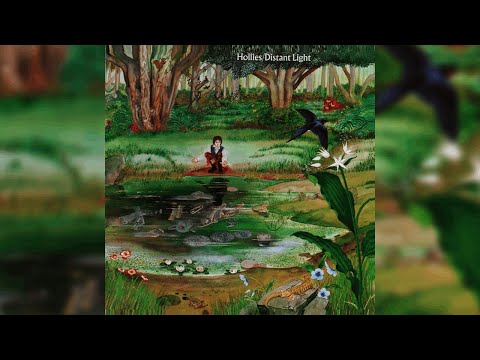


→ More from the 1970s File
View all 1970s hits →




Keep digging