The 1970s File Feature
Toast To The Fool
The Dramatics and "Toast To The Fool": Detroit Soul at the Height of Its Power By the summer of 1972, the Dramatics had already established themselves as one…
01 The Story
The Dramatics and "Toast To The Fool": Detroit Soul at the Height of Its Power
By the summer of 1972, the Dramatics had already established themselves as one of the most gifted vocal groups working in the Detroit soul tradition. Their 1971 recording "Whatcha See Is Whatcha Get" had reached number nine on the Billboard Hot 100 and demonstrated that their rich, multi-layered vocal approach could command significant crossover attention. When "Toast To The Fool" entered the chart on August 26, 1972, debuting at number ninety-five, it began a nine-week climb that would carry it to a peak position of number sixty-seven during the week of October 21, 1972, a more modest commercial showing than their previous hit but one that nonetheless consolidated their status as one of soul music's most compelling group acts.
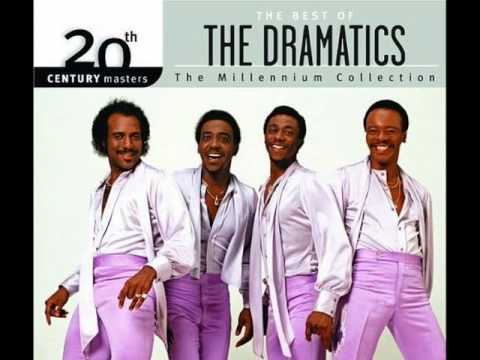
The Dramatics had been formed in Detroit in the early 1960s, originally performing under the name the Dynamics before settling on their definitive identity. The group that recorded "Toast To The Fool" featured the core lineup that would define their classic period: Ron Banks as the primary lead vocalist alongside William Howard, Willie Ford, Larry Demps, and Elbert Wilkins. This configuration, with its blend of gritty urgency and soaring falsetto range, gave the group a vocal palette of unusual width and expressiveness.
The group had signed with Volt Records, a subsidiary of the legendary Stax Records operation based in Memphis, Tennessee. The Stax-Volt empire was then at the height of its commercial influence, having successfully navigated the transition from the raw, stripped-down soul of its earlier period to a more sophisticated and orchestrally rich sound that could compete for pop radio airplay without sacrificing the emotional directness that was the label's foundational quality. The Dramatics, as a Detroit group recording for a Memphis label, represented an interesting confluence of regional soul traditions, and the creative tension between those traditions was audible in their recordings.
"Toast To The Fool" was produced within the Volt operation's established framework, featuring the kind of lush, horn-driven arrangement that had become a signature of the label's output in the early 1970s. The production reflects the influence of producers who had worked extensively within the Stax system and who understood how to frame vocal performances for maximum emotional impact while maintaining the rhythmic authority that distinguished Southern soul from its smoother Motown counterpart. Detroit may have been the Dramatics' hometown, but their recordings for Volt had a distinctly Southern flavor that complemented their natural vocal gifts.
Ron Banks's lead vocal on "Toast To The Fool" is the performance that carries the record. Banks had a voice of remarkable expressiveness, capable of moving between tenderness and intensity with a naturalness that suggested genuine emotional investment rather than technical calculation. His ability to sell a lyric, to make the listener feel that the emotions being described are being experienced in real time, was central to the Dramatics' appeal, and it is fully evident in this recording. The supporting vocals from his group mates provide a framework of rich harmonic texture that both supports Banks's lead and adds its own layer of emotional depth to the performance.
The song's chart performance in the fall of 1972 placed it alongside a remarkably competitive field of soul and R&B releases. The early 1970s were a golden period for Black popular music, with artists including Al Green, Curtis Mayfield, Marvin Gaye, Stevie Wonder, and Aretha Franklin all producing some of the finest work of their careers simultaneously. For a vocal group to achieve consistent chart presence in this environment required a combination of genuine artistic excellence and effective label support, and the Dramatics managed both during this period.
"Toast To The Fool" was followed by a series of additional recordings for Volt and later ABC Records that maintained the group's standing as one of soul music's premier vocal ensembles. Their 1974 album A Dramatic Experience and their work throughout the mid-1970s continued to demonstrate the range and sophistication that had made them notable, and the group remained active in various configurations through subsequent decades. The original lineup's recordings for Volt and Stax represent the commercial and artistic peak of their career, a body of work that captures Detroit soul at its most fully realized. "Toast To The Fool" is a worthy entry in that catalog, a record that showcases the group's exceptional vocal chemistry and their ability to bring genuine emotional conviction to carefully crafted material.
02 Song Meaning
Raising a Glass to Resilience: The Emotional World of "Toast To The Fool"
"Toast To The Fool" engages with a form of emotional experience that soul music has always been particularly well equipped to explore: the complicated feelings that arise when a person recognizes that they have been deceived or taken advantage of in a relationship and must decide how to respond to that recognition. The song's title frames this situation through the lens of self-deprecating irony, acknowledging that the narrator has played the fool while simultaneously refusing to be defeated by that knowledge. This tonal complexity, the mixture of hurt, irony, and resilient humor that the title encapsulates, is characteristic of the most sophisticated work in the soul tradition.
The Dramatics brought particular vocal resources to this kind of material. Ron Banks, whose lead vocal carries the primary emotional weight of the recording, had the ability to convey multiple emotional registers simultaneously, to sound both wounded and strong, both self-aware and genuinely feeling. This capacity for emotional complexity is precisely what the song requires: a narrator who can acknowledge vulnerability without being defined by it is a more interesting and ultimately more comforting figure than one who is either purely a victim or purely triumphant.
The group's collective vocal performance reinforces this complexity. The supporting harmonies provided by the other members of the Dramatics create a communal dimension to the emotional experience being described, suggesting that the narrator's situation is not one of isolated suffering but of shared human experience. This communal quality is deeply rooted in the traditions of gospel and group vocal music from which soul drew its fundamental approach, and its presence in "Toast To The Fool" connects the song to that broader tradition even as it operates within the conventions of contemporary pop soul.
The irony embedded in the phrase "toast to the fool" is worth examining carefully. A toast is normally a celebratory act, a gesture of affirmation and community. To direct a toast toward oneself as a fool is to take that communal, celebratory gesture and turn it inward in a way that is simultaneously self-mocking and self-affirming. The narrator is not simply condemning themselves for having been deceived; they are marking the experience with a kind of ceremonial acknowledgment, raising it to the level of something worth recognizing and perhaps even honoring as part of the human comedy of romantic misadventure.
This approach to romantic disappointment is characteristic of a broader tendency in soul and R&B music to find a form of dignity and even resilience in the experience of being hurt. Where pop ballads of the period often treated romantic loss as straightforwardly tragic, soul music frequently brought to such material a quality of hard-won wisdom and emotional endurance. The "fool" in soul music is not simply a victim but a figure who has experienced, learned, and survived, and who can find in that experience something worth acknowledging and even celebrating.
The Volt Records production context gave the song an arrangement that matches its emotional complexity. The horn lines, string touches, and rhythm section work create a musical atmosphere that is simultaneously warm and slightly bittersweet, appropriate to a song whose emotional stance refuses simple categorization as either joyful or sorrowful. The production understands that the song occupies a space between those poles, and the arrangement is calibrated accordingly, providing emotional support for a performance that needs room to breathe and to move between registers. This sensitivity to the song's tonal requirements is one of the enduring qualities of the Stax-Volt production tradition, and it serves "Toast To The Fool" particularly well.
→ More from The Dramatics
View all The Dramatics hits →


→ More from the 1970s File
View all 1970s hits →




Keep digging