The 1970s File Feature
Get Up And Get Down
"Get Up And Get Down" — The Dramatics' Funk-Soul Statement of 1971 Detroit Soul at the Dawn of a New Decade The Dramatics arrived at the tail end of 1971 wit…
01 The Story
"Get Up And Get Down" — The Dramatics' Funk-Soul Statement of 1971
Detroit Soul at the Dawn of a New Decade
The Dramatics arrived at the tail end of 1971 with a sound that reflected the shifting terrain of Black popular music at a particular turning point. Detroit had spent the 1960s producing the bright, precise pop-soul of Motown, but by the early 1970s a harder, earthier funk influence was pressing in from all directions. James Brown had redefined what rhythm could do. Sly Stone had shown that soul could carry social weight without sacrificing danceability. The template was changing, and Detroit's soul acts were navigating that change in real time.
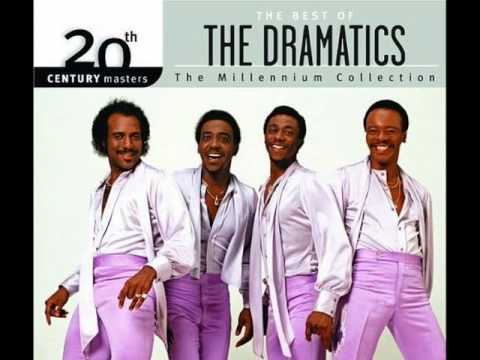
The Dramatics were a vocal group who had formed in the mid-1960s and spent years paying dues in the local Detroit club circuit before signing with Volt Records, a subsidiary of Stax. Their 1971 breakthrough with "Whatcha See Is Whatcha Get" and "In the Rain" established them as genuine contenders in the soul sweepstakes, earning significant chart positions and demonstrating the group's capacity for both tender balladry and more vigorous uptempo material. "Get Up And Get Down" came at the end of that breakthrough year, riding the momentum the group had built and extending it into funkier territory.
The Stax-Volt Sound in the Early Seventies
Releasing on Volt placed The Dramatics within one of the most distinctive production environments in American popular music. Stax and its subsidiaries had developed a sound rooted in live ensemble recording, with musicians playing together in the same room and allowing the energy of collective performance to shape the result. This approach produced a quality of immediacy and physical presence that was different from the more layered, overdubbed sound that was becoming standard elsewhere in the industry.
"Get Up And Get Down" carried that Stax-Volt physicality in its rhythm section. The groove was built to make bodies respond; it was not music that invited passive listening. The brass arrangements added the punchy punctuation that characterized the Memphis approach, and the vocal performances from the group moved between ensemble work and lead passages with the fluid ease that comes from years of performing together. The track was a demonstration of what mature ensemble soul could achieve.
A December Debut and a January Peak
The single entered the Billboard Hot 100 on December 11, 1971, debuting at position 92. The climb was measured but consistent: 86, 86 again, then 85, before reaching its peak position of number 78 on the chart dated January 8, 1972. Seven weeks total on the chart represented a modest but real presence, and the record's performance on the R&B chart was more robust, reflecting the group's stronger standing with the Black radio audience that was their core constituency. The Hot 100 peak of 78 placed the track in the lower reaches of the chart, but it was part of a broader commercial narrative for The Dramatics at that moment, a group on the rise with multiple chart entries building their profile.
The late 1971 chart environment was one of genuine diversity. Sly and the Family Stone, the Temptations, and various country-pop crossover acts were all charting simultaneously, and the rhythm and blues space was particularly active. Carving out any chart presence in that environment required a recording that could hold its own against some of the most creative output in the genre's history.
The Dramatics' Vocal Architecture
Any serious discussion of The Dramatics in this period must account for the extraordinary vocal talent within the group. Lead singer William Howard possessed a gift for emotional directness that made his performances compelling across a wide range of material, from the delicate vulnerability of the group's ballads to the more assertive energy of uptempo funk pieces like "Get Up And Get Down." Ron Banks, another key vocalist in the group, provided contrast and complemented Howard's approach with a different timbral quality.
The group's ability to work in multiple modes, tender and tough, intimate and energetic, gave them flexibility that pure funk acts or pure ballad groups lacked. This versatility was an asset in the marketplace, allowing them to appeal to both the listeners who bought singles primarily for dance use and those who responded to the emotional depth of their slower material. "Get Up And Get Down" leaned into the former while still carrying the group's characteristic vocal sophistication.
Legacy and the Early-Seventies Funk Catalog
The track sits comfortably within the body of early-1970s funk-soul material that has been periodically rediscovered by successive generations of listeners. Sample-based production in hip-hop and neo-soul genres has repeatedly returned to this period's recordings as source material, drawn by the quality of the live rhythm sections and the organic energy that digital recording would later make harder to achieve. The Dramatics' catalog from the Volt years represents some of the most emotionally complete soul music of the era, and "Get Up And Get Down" is one of the more energetic entries in that catalog. It deserves a spin from anyone interested in what Detroit and Memphis were producing when soul music was at its most adventurous.
"Get Up And Get Down" — The Dramatics' singular moment on the 1970s charts.
02 Song Meaning
Movement as Meaning: What "Get Up And Get Down" Says
The Command as Invitation
The title "Get Up And Get Down" operates as an imperative, a directive aimed directly at the listener's body. In the tradition of funk and soul music, this kind of physical command carried specific cultural weight. The instruction to get up and get down was an invitation to collective participation, a call to the dance floor that was also a form of community-building. When James Brown issued similar commands in his recordings, he was not merely directing listeners to move; he was enacting a form of communal ritual in which shared physical response created shared social identity.
Soul Music and Physical Liberation
In the early 1970s, the political and social dimensions of Black American music were subjects of active debate within communities and among critics. Some argued that funk and soul's emphasis on dance and physical pleasure was a form of escapism that deflected attention from the serious challenges of the civil rights era's aftermath. Others countered that the assertion of joyful embodiment was itself a political act, a refusal to be defined by suffering alone. "Get Up And Get Down" participated in this tradition of physical affirmation without requiring any explicit political content in its lyrics.
The act of dancing, of responding physically and collectively to music, had always carried social meaning in African American cultural life. The church traditions that fed soul music understood the body as a site of spiritual expression. Secular funk and soul inherited that understanding and redirected it toward earthly contexts, but the underlying logic, that physical movement in community was a form of meaningful expression, remained intact.
The Dramatics' Position in the Soul Landscape
The Dramatics in 1971 occupied an interesting position between two tendencies in soul music. On one hand, they were capable of the kind of tender romantic balladry that the vocal group tradition had always produced. On the other, tracks like "Get Up And Get Down" aligned them with the harder funk impulse that was reshaping the genre's possibilities. This dual identity gave them a broader emotional range than acts committed to only one mode, and "Get Up And Get Down" represents their most explicit engagement with the funk dimension of their artistic identity.
The song's meaning therefore includes a statement about the group's own ambitions and their sense of where soul music was heading. To record a track this explicitly physical and groove-oriented was to take a position, to declare that The Dramatics were not content to remain in the comfort zone of polished romantic soul but were willing to push toward the harder, more rhythmically demanding territory that their peers were exploring.
The Legacy of Early-Seventies Groove
Decades after its original release, "Get Up And Get Down" belongs to a body of music that has never entirely left circulation. The organic quality of the live rhythm section, the way the groove breathes and shifts, has made recordings from this period attractive to producers seeking source material that carries a warmth and physical presence that programmed drums rarely replicate. The track's meaning extends beyond its original context to include its second and third lives as reference material for later musical generations who found in it something irreplaceable.
For listeners approaching the recording fresh, the experience is simpler than any analytical framework can fully capture: this is music that makes you want to move. The invitation in the title is genuine, and the recording delivers on the promise. That delivery is what meaning sounds like when it lives in the body rather than on the page.
"Get Up And Get Down" — The Dramatics' singular moment on the 1970s charts.
→ More from The Dramatics
View all The Dramatics hits →


→ More from the 1970s File
View all 1970s hits →




Keep digging