The 1970s File Feature
Jesus Is Just Alright
Jesus Is Just Alright: The Doobie Brothers Bring Gospel Fire to Rock Radio The story of "Jesus Is Just Alright" as a Doobie Brothers recording begins with a …
01 The Story
Jesus Is Just Alright: The Doobie Brothers Bring Gospel Fire to Rock Radio
The story of "Jesus Is Just Alright" as a Doobie Brothers recording begins with a song that already had a distinguished life before the band from San Jose, California ever touched it. The composition was written by Arthur Reid Reynolds, a gospel songwriter who originally crafted the piece as a straightforward expression of Christian faith. The Art Reynolds Singers recorded it first, placing it in the context of inspirational vocal ensemble music. Then came The Byrds, who in 1969 transformed it into a piece of psychedelic folk-rock on their album "Ballad of Easy Rider," giving it a loose, exploratory quality that anticipated the rock world's growing interest in spiritual subject matter.
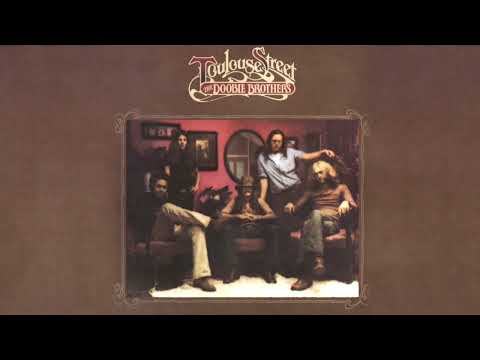
The Doobie Brothers, formed in 1970 out of the San Jose bar scene, approached the song with a very different energy. Their version, recorded for their second studio album "Toulouse Street" and released in 1972 on Warner Bros. Records, stripped away the dreaminess of the Byrds interpretation and replaced it with propulsive, boogie-inflected rock. The band was at this point a hard-driving unit built around the twin guitar interplay of Tom Johnston and Patrick Simmons, with a rhythm section capable of sustained groove pressure. Johnston took the lead vocal with an urgent, almost defiant enthusiasm, treating the song's declarative refrain as a rallying cry rather than a quiet affirmation.
"Toulouse Street" itself represented a significant step forward for the group. Their 1971 debut had established a regional following built on biker bars and Northern California club gigs, but the second album reached for something more polished without sacrificing the band's fundamental roughness. Ted Templeman, who would serve as the band's primary producer through their most commercially successful period, helped shape the record's sound alongside Lenny Waronker. The production on "Jesus Is Just Alright" gave the guitars room to churn while keeping the arrangement focused enough to function on AM radio.
The single climbed the Billboard Hot 100, reaching number 35 during its chart run, a respectable showing for a rock band whose sound leaned more toward album-oriented radio than pop crossover. The song became a staple of album rock stations throughout the decade, gaining far more cultural traction through airplay than its chart peak alone would suggest. It was the kind of track that disc jockeys returned to repeatedly because it possessed an immediacy that did not diminish with repetition.
The cultural context of a rock band recording a gospel-derived declaration of faith in 1972 deserves consideration. The Jesus Movement was at its peak in American youth culture at precisely this moment, generating magazines, coffeehouses, Christian communes, and a wave of popular music that blurred the line between evangelical Christianity and the counterculture. Acts ranging from Larry Norman to the creators of "Jesus Christ Superstar" and "Godspell" were finding mainstream audiences with Christian-themed content. The Doobie Brothers were not overtly evangelical, but their enthusiastic rendering of Reynolds' composition landed squarely within a cultural moment that was receptive to such material.
The album "Toulouse Street" reached number 21 on the Billboard 200, a commercial breakthrough that established the band as a genuine album-selling act rather than merely a singles proposition. The record also contained "Listen to the Music," which became the band's breakthrough hit, reaching number 11 on the Hot 100. The combination of "Listen to the Music" and "Jesus Is Just Alright" demonstrated the range the Doobies were capable of within their basic hard-rock format, from sunny, radio-friendly pop-rock to rougher, gospel-tinged muscle.
Through the remainder of the 1970s, "Jesus Is Just Alright" became one of the band's most reliably performed concert pieces. It translated well to live performance because its structure rewarded extended treatment, and audiences responded to the communal energy the song's refrain generated in arena settings. As the band evolved through lineup changes, including the addition of Michael McDonald and the consequent shift toward a smoother, more R&B-influenced sound in the latter half of the decade, "Jesus Is Just Alright" served as a reminder of the band's harder, rootsier origins.
The song has continued to appear in film and television soundtracks across subsequent decades, each placement introducing it to listeners who may have been unfamiliar with its origins in Reynolds' gospel writing or its earlier Byrds incarnation. The Doobie Brothers version became, for most of the listening public, the definitive arrangement, the one against which all other versions are measured. The combination of Johnston's vocal attack, the band's rhythmic drive, and Templeman's production decisions locked in a sound that captured the specific intersection of rock energy and spiritual declaration that defined the band at one of the most creatively productive moments in their long career.
02 Song Meaning
What "Jesus Is Just Alright" Means: Faith, Defiance, and the Rock Idiom
At its core, "Jesus Is Just Alright" is a song of uncomplicated affirmation. The lyrical premise, stripped of its musical context, is almost disarmingly plain: the narrator declares a personal allegiance to Jesus, not through theological argument or doctrinal statement, but through the kind of colloquial enthusiasm one might express about a trusted friend. The phrase "just alright" in its original usage was an idiom of emphatic approval rather than lukewarm praise, a piece of African American vernacular meaning something closer to "exactly right" or "perfectly suited." The song trades on that distinction, presenting faith as something deeply felt rather than formally reasoned.
Arthur Reynolds wrote the song from within the gospel tradition, where such personal declarations of devotion were a standard mode of expression. The emotional register was one of communal testimony, the kind of statement a congregation member might make in a church setting where personal witness was expected and celebrated. When the Art Reynolds Singers recorded it, that communal dimension was foreground, carried by the warmth of the vocal ensemble.
The Doobie Brothers' version shifts the emotional register significantly. Tom Johnston's delivery is not meditative or reverent in a traditional sense. It is energetic, almost combative in its enthusiasm, as if daring the listener to object. In the context of early 1970s rock culture, where the counterculture had grown suspicious of institutional religion while simultaneously generating its own forms of spiritual seeking, that tone of cheerful, uncomplicated defiance carried specific meaning. The song did not ask its audience to join a church. It simply insisted that the narrator's relationship with Jesus was real and good, and invited the listener to take it or leave it.
This positioning made the song legible to multiple audiences simultaneously. For listeners connected to the Jesus Movement, it was a straightforward expression of faith delivered in a vernacular they recognized. For rock listeners with no particular religious commitment, it functioned as a piece of high-energy music with a memorable hook, the lyrical content no more or less pointed than many other rock songs of the era that invoked spiritual themes loosely. The song did not demand conversion. It offered an attitude.
Within the Doobie Brothers' catalog, "Jesus Is Just Alright" represents the hardest edge of their early sound, the place where their Northern California bar-band roots and their gospel-influenced sensibility intersected most directly. The song stands as a marker of the band's identity before Michael McDonald's arrival softened their approach and introduced sophisticated R&B harmony. For listeners who discovered the band through their later, smoother work, the track serves as a useful corrective, demonstrating that the Doobies were originally a rough-edged, boogie-oriented rock band capable of real grit.
The thematic simplicity of the song is, paradoxically, one of its greatest strengths. In an era when rock lyrics were increasingly expected to carry philosophical weight or express psychological complexity, "Jesus Is Just Alright" was almost brazenly straightforward. Its directness functioned as its own kind of statement, a refusal of irony at a moment when irony was becoming rock's default mode. The song means what it says, says what it means, and trusts the music to carry whatever complexity the words decline to provide.
Decades of use in film soundtracks and television placements have given the song a second life as a marker of a particular moment in American popular culture, the early 1970s when the boundaries between sacred and secular music were genuinely porous in ways they have rarely been since. Each new context layers additional meaning onto the original declaration, but the core remains intact: a piece of rock music that chose enthusiasm over ambiguity and found an audience that responded to exactly that quality.
→ More from The Doobie Brothers
View all The Doobie Brothers hits →


→ More from the 1970s File
View all 1970s hits →




Keep digging