The 1970s File Feature
Eyes Of Silver
"Eyes of Silver" — The Doobie Brothers and the Summer of 1974 The Doobies at Full Stride The summer of 1974 found the Doobie Brothers at a genuinely interest…
01 The Story
"Eyes of Silver" — The Doobie Brothers and the Summer of 1974
The Doobies at Full Stride
The summer of 1974 found the Doobie Brothers at a genuinely interesting juncture. The band from San Jose had been climbing steadily since their 1971 debut, releasing a string of albums that built their reputation as one of the hardest-working and most sonically distinctive rock acts in America. By 1974 they were established stars, known for a sound that wove together hard-driving rock energy, country-influenced guitar interplay, and vocal harmonies that had become immediately recognizable on radio. Their 1974 album What Were Once Vices Are Now Habits continued that trajectory, and "Eyes of Silver" emerged from its sessions as a summer single that carried the band's characteristic warmth without sacrificing any of their forward momentum.
The lineup in 1974 centered on the creative partnership of Tom Johnston and Patrick Simmons, two guitarists with distinct voices whose interplay defined the group's sound in this period. Johnston's rougher, more blues-influenced approach balanced against Simmons's intricate acoustic work, and the two together created a guitar texture that was genuinely unusual in early-1970s rock. The rhythm section and the band's commitment to tight ensemble playing completed a sonic identity that had been refined through years of relentless touring.
The Warner Bros. Sound
What Were Once Vices Are Now Habits was produced by Ted Templeman, who had worked with the Doobies from early in their career and had become a key architect of their studio sound. Templeman's production approach for the group emphasized live-band energy and the natural warmth of the guitars and vocals, resisting the overproduction that would flatten many rock recordings of the era. The result, across multiple Doobie Brothers albums, was a series of recordings that sounded like they had been made by a real band playing together in a room, even when they weren't.
"Eyes of Silver" reflected that production philosophy. The track had a propulsive energy rooted in the band's road experience, the kind of momentum that comes from thousands of hours of live performance translating directly into the studio. The guitar work was layered but not cluttered, the harmonies were present but not dominant, and the overall effect was a track that sounded simultaneously polished and immediate.
Eight Weeks on the Chart
The single debuted on the Billboard Hot 100 on July 27, 1974, entering at number 95. Over the following weeks, it moved steadily upward, driven by radio rotation and the established commercial momentum of the Doobie Brothers brand. "Eyes of Silver" reached its peak of number 52 during the week of August 31, 1974, after eight weeks on the chart. The mid-chart peak reflected the competitive nature of the summer 1974 singles market rather than any deficiency in the track itself; the Doobies were releasing quality material into an extremely crowded field.
Summer 1974 was a particularly dense moment on the Billboard Hot 100, with established superstars and emerging acts competing for radio time and chart position simultaneously. A peak of number 52 from a band of the Doobie Brothers' stature indicated that the song was performing as a solid album-supporting single rather than as the kind of blockbuster crossover hit that the band's biggest songs achieved. That distinction mattered commercially but said little about the quality of the music.
The Doobie Brothers and the Early-1970s Rock Landscape
The early 1970s rock landscape that the Doobie Brothers inhabited was remarkably varied. The chart in the summer of 1974 contained hard rock, soft rock, soul, funk, country-pop, and the earliest stirrings of what would become the late-1970s pop sound. The Doobies occupied a particular niche within this complexity: they were a rock band that was genuinely popular with a broad audience, not simply a critical darling or a cult act. Their commercial reach demonstrated the appeal of well-crafted, energetic rock music that prioritized song over solo showcase and ensemble over ego.
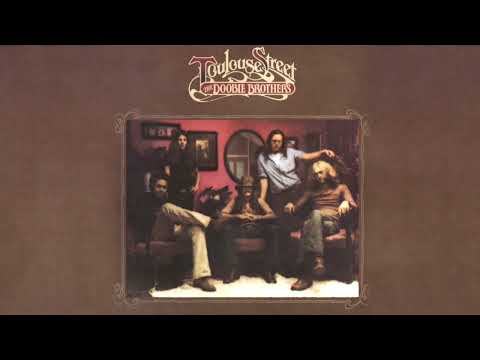
That approach would serve them well through the mid-1970s and into the period when Michael McDonald joined the band and shifted their sound significantly toward blue-eyed soul. But in the summer of 1974, the Doobies were still primarily the band from Toulouse Street and The Captain and Me, and "Eyes of Silver" represented the sound of that version of the group at its confident, working peak.
A Working Band's Signature
The Doobie Brothers built their career not on a few legendary songs but on a sustained commitment to quality across a large body of work, and "Eyes of Silver" fits that pattern. It is the work of a band that had found its sound and was committed to delivering it with full commitment on every record. The track rewards close listening, offering the interplay of guitars and voices that was the group's primary contribution to American rock. Cue it up, turn the volume up, and hear what it sounded like to be in the front row of American rock radio in the summer of 1974.
"Eyes of Silver" — The Doobie Brothers' singular moment on the 1970s charts.
02 Song Meaning
"Eyes of Silver" — Imagery, Emotion, and the Doobie Brothers' Lyrical Vision
The Metaphorical Currency of Silver
Silver carries specific emotional weight in American song imagery. It suggests something valuable but not quite at the top of the hierarchy, something with a cool, reflective quality distinct from the warmth of gold. In the context of a song title, "silver eyes" evoke a gaze that is unusual, compelling, slightly otherworldly, the kind of detail that a lyricist uses to make a person feel extraordinary rather than merely attractive. "Eyes of Silver" positions its emotional focus around this image, building its lyrical content around the power of a specific, intimate attention to another person's most expressive feature.
The Doobie Brothers of the early 1970s were working within a rock songwriting tradition that had developed considerable lyrical sophistication over the preceding decade. The California rock scene in particular had produced writers attuned to the interplay between concrete imagery and emotional suggestion, writers who understood that the best rock lyric was neither purely abstract nor purely literal but something between the two.
Romantic Attention and Early-1970s Rock Sensibility
The emotional content of "Eyes of Silver" sits within the broad territory of romantic longing and admiration that runs through so much of the Doobie Brothers' catalogue from this period. The band's early-1970s output was notable for combining hard-driving rock energy with lyrical content that engaged genuinely with human connection rather than defaulting to either the macho posturing common in some rock of the era or the wispy vagueness of the softer singer-songwriter tradition.
That balance reflected the musical character of the band itself: simultaneously rough and warm, capable of both hard-charging momentum and quiet, harmonically sophisticated moments of rest. The emotional register of a song like "Eyes of Silver" required a band that could hold both those qualities simultaneously, and the Doobie Brothers of 1974 were exactly that band.
The Song Within the Album Context
What Were Once Vices Are Now Habits was released at a moment when the album format had become the primary unit of artistic expression for rock musicians. Individual singles emerged from a larger creative context, and understanding a song like "Eyes of Silver" requires at least some acknowledgment of the album world from which it came. The record as a whole demonstrated a band expanding its range without abandoning its core identity, incorporating slightly more complex song structures and a wider emotional palette while remaining recognizably the Doobie Brothers.
Within that context, "Eyes of Silver" functions as a moment of romantic focus in a catalogue that also included driving highway rock and more introspective material. The variety was intentional, reflecting both the band's genuine range and the songwriting partnership between Tom Johnston and Patrick Simmons, two writers with different temperaments and strengths whose collaboration produced a creative breadth that neither might have achieved alone.
Why This Kind of Song Matters
There is a tendency in pop music criticism to focus attention almost exclusively on the most commercially successful or the most critically celebrated recordings, passing over the solid, well-crafted tracks that fill out band catalogues and represent the sustained quality of working artists between their peaks. "Eyes of Silver" exemplifies that underappreciated middle territory, a song that demonstrates what the Doobie Brothers were capable of at their working best, without being the single that defined them for posterity.
Those songs serve an important function. They document artistic identity more honestly than the peaks alone can, showing what a band sounds like when the pressure is to simply deliver good music rather than to produce the statement of the decade. For listeners who want to understand what the early-1970s Doobie Brothers were really about, tracks like "Eyes of Silver" are essential listening, because they reveal the craft and commitment that underpinned the more famous moments. The silver in the title turns out to be an accurate description of the song's own qualities: valuable, distinctive, and genuinely reflective of something worth seeing clearly.
→ More from The Doobie Brothers
View all The Doobie Brothers hits →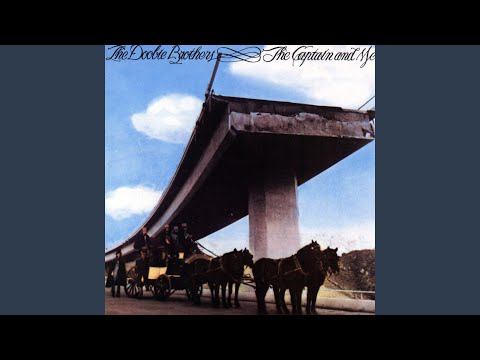


→ More from the 1970s File
View all 1970s hits →




Keep digging