The 1970s File Feature
Peggy Sue
The Story Behind Peggy Sue by The Beach Boys By 1978, The Beach Boys were a band caught between eras, still capable of filling arenas on the strength of thei…
01 The Story
The Story Behind "Peggy Sue" by The Beach Boys
By 1978, The Beach Boys were a band caught between eras, still capable of filling arenas on the strength of their sun-drenched 1960s catalog, yet visibly searching for relevance in a musical landscape now dominated by disco, punk, and album-oriented rock. Their choice to record a cover of Buddy Holly's 1957 classic "Peggy Sue" that year says as much about their creative direction at the time as it does about the enduring pull of early rock and roll itself.
A Band Looking Backward to Move Forward
By the late 1970s, The Beach Boys had weathered years of internal turmoil, shifting lineups, and inconsistent commercial results following their 1960s peak. Brian Wilson's reduced involvement and the group's uneven late-decade output left them searching for a reliable creative direction, and turning to a beloved rock and roll standard offered a relatively safe, nostalgia-driven path back toward the charts. Covering Buddy Holly, one of the foundational architects of the sound that had originally inspired the group's own harmony-driven rock and roll, connected them explicitly to the tradition they had grown out of two decades earlier.
A Solid, if Modest, Comeback Showing
The single entered the Billboard Hot 100 on September 9, 1978, at number 82, then climbed steadily: number 72 the following week, then 61, then reaching its peak of number 59 on September 30, 1978. It held nearly steady the week after before beginning its descent, ultimately logging six weeks on the chart. For a veteran act well over a decade removed from their commercial prime, that kind of consistent, if unspectacular, climb represented a genuine, if modest, return to Top 60 territory.
Reverence Filtered Through Beach Boys Harmony
The group's version naturally reshapes Holly's original through their signature vocal blend, layering the kind of rich, close harmonies that had defined their own classic hits onto a song built originally around a single, hiccupping rockabilly vocal performance. That transformation illustrates how thoroughly The Beach Boys' sonic identity could reshape even a deeply familiar rock and roll standard, turning a stripped-down 1950s single into something recognizably their own.
A Nostalgic Bridge Between Two Rock Eras
Within The Beach Boys' own uneven late-1970s output, "Peggy Sue" stands as a reminder of the band's deep roots in early rock and roll, and of the commercial safety net that nostalgia could still provide even as their original material struggled to connect with contemporary audiences. It also honored Holly's enormous influence on the generation of harmony-focused rock acts that followed him, The Beach Boys chief among them.
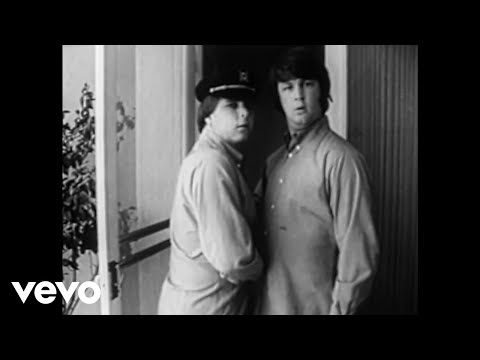
Press play and hear two eras of rock and roll harmony meet across two decades.
Why These Entries Matter
The biggest hits tend to dominate our memory of any era, but the fuller, richer picture emerges only when you account for records like this one as well. Together, the smashes and the modest charting singles form the true texture of a period's popular music, revealing the full breadth of what audiences embraced. Paying attention to the lesser-remembered entries offers a more honest and complete understanding of the past, and reminds you that behind every position on the chart stood real listeners making real choices.
Sound and Sensibility
The recording rewards close listening for the way it balances its various elements, the vocal delivery, the instrumental backing, and the overall production sensibility that ties them together. Each choice reflects both the individual artistry involved and the broader stylistic conventions of the moment. Attending to those details reveals the thoughtfulness beneath the surface, the many decisions that shaped a few minutes of music into something capable of reaching an audience and earning its modest but genuine place in the story of the charts.
A Place in the Record Books
Every entry on the national chart, no matter how high or low it climbed, becomes part of the permanent statistical history of popular music, a data point that researchers, collectors, and enthusiasts can return to for decades afterward. This recording earned exactly that kind of lasting documentation, its peak position and chart run now fixed forever in the archives. That permanence gives even a modest hit a certain dignity, ensuring that the effort behind it and the audience response to it are never entirely forgotten by history.
"Peggy Sue" — The Beach Boys's singular moment on the 1970s charts.
02 Song Meaning
What "Peggy Sue" Is Really About
At its heart, "Peggy Sue" is one of rock and roll's purest expressions of youthful infatuation, a song built entirely around the simple, overwhelming thrill of being smitten with someone. When The Beach Boys took on Buddy Holly's original, they inherited a lyric that needed no reinterpretation, only a new vocal texture to carry it into a different decade.
Simple Devotion as Rock and Roll Foundation
The song's lyrical content is refreshingly uncomplicated: a young man declares his devotion to a girl named Peggy Sue, repeating her name with an almost obsessive delight that mirrors the giddy, single-minded focus of early infatuation. That simplicity was part of rock and roll's original appeal in the 1950s, songs that captured teenage emotion directly, without layers of metaphor or irony standing between the feeling and its expression.
Harmony Reframing Innocence
By filtering that original innocence through The Beach Boys' lush, multi-part harmonies, the cover subtly shifts the emotional texture of the song. Where Holly's original vocal carried a nervous, almost stuttering excitement, The Beach Boys' version smooths that anxious energy into something warmer and more reflective, closer to fond nostalgia than in-the-moment teenage jitters. That shift makes sense coming from a band performing the song two decades after its original release, effectively looking back on early rock and roll infatuation through an adult lens.
A Song About Rock and Roll Itself
Beyond its surface narrative, the song also functions, especially in this later cover version, as a tribute to the foundational simplicity of early rock and roll songwriting. Recording it in 1978 wasn't just about romantic devotion; it was an implicit acknowledgment of everything Buddy Holly's generation had built, the templates of harmony, hook, and heartfelt directness that groups like The Beach Boys had absorbed and expanded upon throughout their own careers.
Why the Song Endured Across Eras
Listeners in both 1957 and 1978 responded to the same essential quality: total, uncomplicated sincerity. In an era increasingly filled with musical irony and studio experimentation, a song that simply and joyfully declares affection for one specific person carried a timeless appeal, proof that some emotional truths in rock and roll never really go out of style.
There is also something to be said for the directness with which the song delivers its message. Rather than obscuring its meaning behind cleverness or distance, it states its feeling plainly and lets that sincerity do the work. That honesty is a large part of why the song connects, offering listeners an emotional experience they can grasp immediately and carry with them long after the music fades.
Why the Message Endures
The song's meaning has outlasted its era precisely because it speaks to something permanent in the human heart. Trends fade and production styles date, but a genuine emotion honestly expressed retains its power indefinitely. That is the quiet triumph of a recording like this one, capturing a true feeling and preserving it in a form that continues to move listeners who discover it, decade after decade, long after it first appeared.
The Emotional Core
The heart of the song lies in its sincerity, the sense that it means every word of what it expresses. That authenticity is what separates a merely competent recording from one that genuinely connects, and it is precisely what allows the song to reach listeners on a level deeper than simple entertainment. The feeling at its center is one that people recognize instinctively, and the honesty with which it is delivered gives that feeling real weight and staying power across the years.
A Feeling Made Universal
What gives the song its lasting resonance is the way it takes a specific sentiment and makes it feel universal, something any listener can recognize and inhabit as their own. The emotion at its core belongs to no single time or place; it is part of the shared human experience, surfacing in every generation anew. That universality is what allows the recording to keep finding fresh audiences long after the moment of its release.
→ More from The Beach Boys
View all The Beach Boys hits →



→ More from the 1970s File
View all 1970s hits →




Keep digging