The 1970s File Feature
Best Thing
Best Thing: Styx and the Sound of a Band Still Finding Itself Long before stadium anthems, elaborate concept albums, and platinum sales defined their commerc…
01 The Story
Best Thing: Styx and the Sound of a Band Still Finding Itself
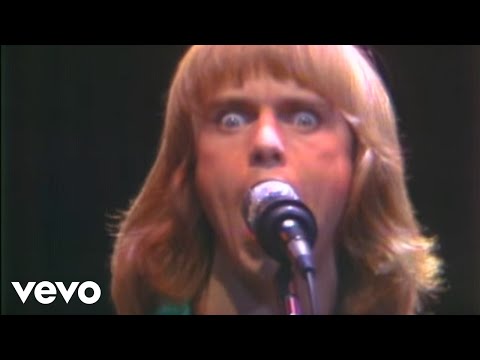
Long before stadium anthems, elaborate concept albums, and platinum sales defined their commercial peak, Styx was a Chicago-area band still working out exactly what kind of rock group it wanted to become in a crowded, competitive field. Best Thing, released in 1972, captures the group in that formative stage, a period of progressive-leaning experimentation and hard-won chart footholds that would eventually give way to the arena-rock success the band achieved later in the decade with an entirely different lineup and sound, once new members and new songwriting partnerships reshaped the group entirely. The song offers a glimpse of the raw ambition and technical curiosity driving a band not yet fully formed into the act that would later produce era-defining hits for a national audience of millions. Few listeners hearing it on the radio in 1972 could have predicted the stadium-filling force the band would eventually become by the end of that same decade.
A Band Built on Musical Ambition
Formed from members who had played together since their teenage years around Chicago, Styx built its early identity on a fusion of hard rock energy and progressive rock complexity, drawing on keyboard-driven arrangements and multi-part vocal harmonies that distinguished the group from more straightforward rock acts of the period entirely, giving even early singles a distinctive textural signature. That progressive inclination, evident even on early tracks like Best Thing, would remain a defining feature of the band's sound throughout its most commercially successful years to come, long after this early single had been mostly forgotten by casual listeners who only knew the later, bigger hits from the radio.
Finding an Identity Between Genres
Musically, the track balances muscular rock instrumentation with the kind of layered vocal arrangements and keyboard flourishes that hinted at the band's progressive rock leanings, a combination that set Styx apart from both the straightforward hard rock and the more esoteric prog acts populating the early-1970s landscape at the time on both sides of the Atlantic. It represented a band actively searching for its commercial voice, testing how much complexity radio audiences would accept alongside driving rock energy packed into a single three-minute track built for AM airplay.
A Foothold on the Chart
The single entered the Billboard Hot 100 on September 16, 1972, at number 93, and climbed gradually over the following weeks of steady, if modest, airplay across regional markets and college radio stations. It eventually reached its peak position of number 82 on October 14, 1972, across a run of roughly six weeks on the chart in total that fall. Modest as those numbers were, they represented genuine, hard-won validation for a young band still building its reputation from the ground up in a crowded field of hopeful competitors chasing the same limited airplay, proof that its music could register with a national audience even before the group found its true signature commercial sound years later on down the road.
An Early Step Toward Arena Rock Stardom
Styx would go on to become one of the defining arena rock acts of the late 1970s and early 1980s, scoring multiple number-one albums and a string of iconic singles that remain radio staples to this day across classic rock formats and streaming playlists alike, decades after their original release. Best Thing stands as an early data point in that longer trajectory, a reminder that even bands destined for massive stadium success typically spend years working out their sound in front of comparatively modest audiences before the real breakthrough finally arrives for them at last, often after considerable lineup turnover.
Press play and hear the sound of a future arena-rock powerhouse still finding its footing in the early 1970s.
"Best Thing" — Styx's singular moment on the 1970s charts.
02 Song Meaning
The Meaning Behind Styx's "Best Thing"
Best Thing centers on the recognition of value in a relationship or opportunity that the narrator initially failed to fully appreciate at the time it mattered most, a theme of belated gratitude and renewed commitment once something precious nearly slips away for good. That structure, realization following near-loss, gives the song its emotional shape, moving from a kind of complacency toward earnest, hard-won appreciation of what remains within reach even after nearly losing it.
Complacency Confronted
The song's narrator occupies a familiar emotional position, one many listeners recognize instantly: someone who has taken a good thing for granted until circumstances force a reckoning with exactly what stands to be lost for good. That arc, from careless assumption to genuine appreciation, reflects a coming-of-age emotional maturity that suited a young band still working through its own artistic growing pains at the time of recording this particular track.
Progressive Rock's Emotional Ambition
Styx's early progressive leanings gave even a relatively straightforward emotional theme like this one a sense of musical grandeur and scale, using layered harmonies and dynamic shifts to elevate the song's stakes well beyond a simple pop love song into something more theatrical and ambitious. That ambition to make personal realization feel sonically significant, almost cinematic in its emotional sweep and orchestral scope, would remain a hallmark of the band's songwriting throughout its long and varied career together on record and on stage.
Gratitude as Rock Subject Matter
Unlike much of the swagger and bravado common in early-1970s hard rock songwriting generally, this song's emotional core leans toward humility instead, an acknowledgment of fault and a renewed appreciation for what was nearly lost forever through simple carelessness and inattention over time. That willingness to sit inside vulnerability, rather than deflect it with bravado or bluster, distinguished Styx's early songwriting from some of its more macho contemporaries on the radio at the time, and it hinted at the emotional range the band would keep exploring.
A Formative Theme for a Formative Band
Heard in the context of a band still finding its commercial footing, the song's message about recognizing value before it disappears entirely takes on an almost self-referential quality, a young group hoping listeners would recognize what it had to offer before moving on to other, flashier acts competing for the exact same limited attention, airplay, and precious record store shelf space at the time. That earnestness, whatever its original intent may have been, gives Best Thing a sincerity that still comes through clearly decades later, long after the band became an arena-filling institution with a catalog of certified hits and platinum-selling albums to its name.
→ More from Styx
View all Styx hits →



→ More from the 1970s File
View all 1970s hits →




Keep digging