The 1970s File Feature
Another Star
"Another Star" — Stevie Wonder The Summer of Songs in the Key of Life The autumn of 1977 belonged, in no small part, to Stevie Wonder. He had released Songs …
01 The Story
"Another Star" — Stevie Wonder
The Summer of Songs in the Key of Life
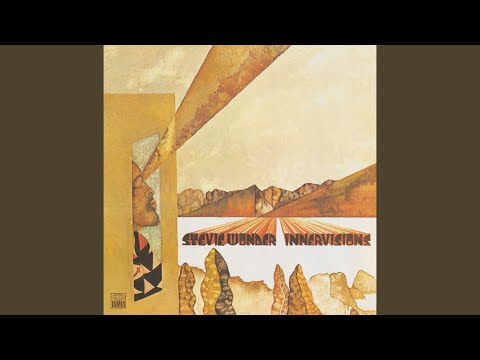
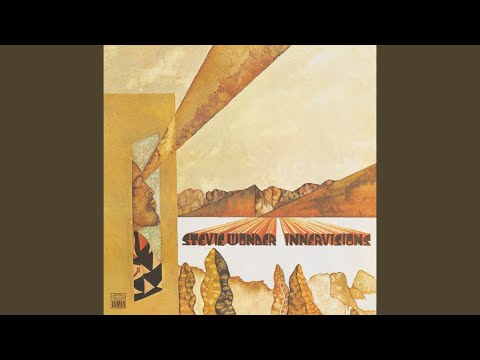
The autumn of 1977 belonged, in no small part, to Stevie Wonder. He had released Songs in the Key of Life in September 1976, a sprawling double album that arrived with the force of a cultural event. By the time "Another Star" appeared on the charts in the late summer of 1977, the album had already produced major hits and had spent time at the top of the Billboard 200. Pulling a single from it more than a year after the album's release was a testament to how much material it contained and how deeply it had embedded itself in the listening habits of the American public.
A Different Kind of Stevie Wonder Song
"Another Star" stood apart from some of the more introspective and politically charged material on Songs in the Key of Life. Where tracks like "Village Ghetto Land" or "Black Man" engaged directly with social realities, this song was rooted in celebration. Its musical foundation drew heavily on Latin rhythms, with congas, percussion, and a brass arrangement that gave the track an irresistible physical energy. It was designed to move bodies, not just to move hearts, and it succeeded on both counts.
Stevie Wonder produced the album entirely himself, playing many of the instrumental parts and overseeing every aspect of the recording. His musicianship across the double album was staggering in its breadth and ambition, and "Another Star" showed his command of rhythmic architecture: the way a groove can be layered into something that feels both effortless and precisely calibrated.
Chart Performance
The single debuted on the Billboard Hot 100 on August 27, 1977, entering at number 74. Its climb through the chart was gradual but consistent, reflecting the organic spread of a song that worked in clubs and on radio in equal measure. The track reached its peak position of number 32 on October 8, 1977, spending 10 weeks on the chart in total. While number 32 might seem modest for an artist of Wonder's stature, it should be understood in the context of the album from which it came: by that point, Songs in the Key of Life had already been at the center of popular music for more than a year, and radio had considerable Wonder material to choose from.
The Latin Influence and Wonder's Musical Range
The prominent Latin percussion on "Another Star" reflected Wonder's genuine engagement with musical traditions beyond the R&B and soul that had defined his commercial core. Throughout his career he had demonstrated an appetite for absorption, taking influences from across the musical spectrum and integrating them into his own voice rather than simply borrowing surface elements. The Latin groove on this track felt organic rather than appropriated, the result of a musician who understood the rhythmic logic he was working with.
The song also featured a lengthy instrumental section and considerable improvisation, which made it substantially longer than typical radio edits of the era. The extended version became a favorite in dance and club contexts, where its sustained rhythmic momentum could do exactly the work it was built to do.
Legacy Within a Landmark Album
Songs in the Key of Life is consistently ranked among the greatest albums in the history of popular music, and "Another Star" holds an interesting position within it. It is the celebratory release valve, the track that lifts from the album's weightier emotional content and reminds the listener that joy is also a legitimate subject for serious music. Wonder's genius on this album was precisely that capacity to hold multiple emotional registers simultaneously, to make an album that was profound and playful, politically engaged and physically joyful, all without the seams showing.
The song's legacy within the broader Wonder catalog is one of enduring warmth. Audiences who encounter it for the first time, often through the album rather than the single, tend to find it one of the most immediately pleasurable tracks in a set full of remarkable music. Put on your speakers, turn up the volume, and let that percussion do what it was designed to do.
"Another Star" — Stevie Wonder's singular moment on the 1970s charts.
02 Song Meaning
"Another Star" — Meaning and Legacy
Celebration as a Philosophical Stance
Within the emotional landscape of Songs in the Key of Life, "Another Star" occupies a particular and necessary role. Much of the album grapples with injustice, loss, longing, and the complexity of human experience at both the personal and the social level. "Another Star" is the release, the track where Stevie Wonder turns to pure celebration as if to argue that joy, too, is a form of wisdom. The subject matter, a narrator who accepts the unattainability of the person he desires and resolves to find happiness elsewhere, is handled not with bitterness but with a kind of radiant acceptance.
Romantic Acceptance and Emotional Maturity
The song's lyrical stance is one of graceful letting go. The narrator acknowledges an unrequited or impossible attachment and decides to channel his energy toward someone more within reach, toward love that can actually be reciprocated. This is not resignation; the arrangement and the vocal performance make clear that the emotional temperature is warm, even exuberant. The tone of joyful acceptance runs against the grain of much popular love song convention, which typically dwells in either possession or devastation. Wonder chose a third path: openness and forward movement.
That emotional maturity was characteristic of Wonder's songwriting at this period in his career. The mid-1970s run of albums he produced, from Talking Book through Songs in the Key of Life, demonstrated a lyrical intelligence that went well beyond the romantic conventions of soul and R&B.
The Body and the Spirit Together
One of the song's most interesting qualities is the way it unites physical and spiritual energy. The Latin percussion and brass arrangement put the body in motion, creating a groove that is genuinely irresistible, while the lyrical content and vocal performance reach toward something more expansive. Wonder had always understood this kind of integration, the idea that music can speak to the body and the spirit simultaneously rather than choosing between them. The track's rhythmic vitality is not decoration but argument: celebrating life through movement is itself a meaningful act.
Resonance Across Decades
Listeners have returned to "Another Star" consistently across the decades since its release, drawn by its rhythmic momentum and its emotional generosity. It sits within Songs in the Key of Life as a reminder that the album's ambition encompassed delight as well as depth. For anyone approaching Stevie Wonder's 1970s catalog for the first time, this track offers an entry point that is immediate and joyful, a good introduction to how thoroughly he had mastered the art of making complex music feel effortless.
"Another Star" — Stevie Wonder's singular moment on the 1970s charts.
→ More from Stevie Wonder
View all Stevie Wonder hits →


→ More from the 1970s File
View all 1970s hits →




Keep digging