The 1970s File Feature
Save It For A Rainy Day
Save It For A Rainy Day — Stephen Bishop (1976) "Save It For A Rainy Day" emerged in 1976 on ABC Records as one of the debut singles from Stephen Bishop, a s…
01 The Story
Save It For A Rainy Day — Stephen Bishop (1976)
"Save It For A Rainy Day" emerged in 1976 on ABC Records as one of the debut singles from Stephen Bishop, a singer-songwriter who had spent years working the margins of the Los Angeles music industry before finally securing a recording contract that would allow his distinctive brand of melodic soft rock to reach a mainstream audience. The song became his commercial breakthrough, introducing him to radio listeners who would soon come to appreciate the warm, understated craft that had already made him a respected figure in the songwriting community he had inhabited since moving to California in the early 1970s.
Bishop had arrived in Los Angeles as a young man from San Diego, carrying a guitar and an ambition to write songs that would reach people with the same emotional directness that had characterized his early influences. He spent years in the orbits of established artists, developing relationships and building a reputation as a craftsman whose demos were worth listening to carefully. Among the artists who recognized his talent early was Art Garfunkel, who would record several of Bishop's songs and help bring his name to wider attention. These associations positioned Bishop within the Southern California singer-songwriter tradition that had been commercially dominant since the early 1970s, a lineage running from James Taylor and Carole King through a generation of melodically gifted, emotionally direct songwriters who had made Los Angeles the creative center of American adult pop.
The production of "Save It For A Rainy Day" reflects this tradition precisely. The song was produced with the warmth and sonic care that characterized the best Los Angeles studio work of the mid-1970s, featuring acoustic guitar, subtle orchestral touches, and the kind of background vocal arrangements that were becoming standard in adult contemporary production at the time. The overall effect is one of intimate warmth, a quality that suited Bishop's vocal style, which was gentle, slightly breathy, and capable of conveying emotional vulnerability without sacrificing musical sophistication.
ABC Records, home during this period to several significant artists, gave Bishop's debut the promotional support necessary to introduce him to radio. The single reached the top 25 of the Billboard Hot 100 and performed even more strongly on the Adult Contemporary chart, where its melodic accessibility and emotional resonance were perfectly suited to the format's audience. The Adult Contemporary chart success was particularly significant, as it established Bishop in the format that would remain his primary commercial home throughout his career, a format that rewarded melodic craft and emotional sincerity over the rawer energies of rock or the harder rhythmic approaches of R&B and funk.
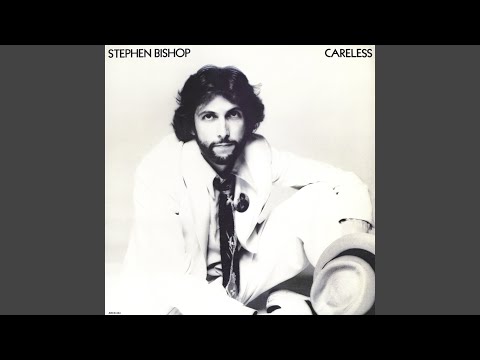
The success of "Save It For A Rainy Day" paved the way for the even greater commercial impact of "On and On," his follow-up single, which would become his signature song and reach even higher on the charts. Together, the two songs established Bishop as a genuine commercial presence in adult contemporary pop and justified the faith that ABC Records had placed in his ability to translate songwriting craft into commercial appeal. The debut album "Careless," from which both singles were drawn, performed well and introduced a wide audience to Bishop's particular aesthetic.
The mid-1970s context of the song's release deserves attention. By 1976, the singer-songwriter movement that had exploded commercially at the beginning of the decade had matured into a established commercial genre with defined expectations and a reliable audience. Artists like James Taylor, Carly Simon, Cat Stevens, and Paul Simon had demonstrated that emotionally direct songwriting with sophisticated melodic construction could generate enormous commercial success, and a generation of younger artists was now working within the parameters those pioneers had established. Bishop was among the most accomplished of this second wave, bringing to the tradition a melodic gift and a vocal intimacy that distinguished his work from the more generic soft rock that crowded the same radio formats.
Stephen Bishop's career as a songwriter would ultimately prove as significant as his career as a recording artist. His songs found their way into films, including the memorable contribution to "Animal House" in 1978, and were recorded by a wide range of artists who recognized the quality of his compositional instincts. Art Garfunkel in particular championed his work, and the association brought Bishop to the attention of audiences who might otherwise have overlooked him. But "Save It For A Rainy Day" was where it all began commercially, and its understated charm and melodic clarity established the artistic identity that Bishop would maintain throughout a long and productive career in popular music.
The song's chart performance and critical reception confirmed that the Los Angeles soft rock aesthetic, sometimes dismissed as too smooth and too comfortable, was capable of genuine artistic achievement when practiced by someone with Bishop's level of craft and sincerity. His debut single remains one of the more endearing introductions in the history of the adult contemporary genre, a record that announced a genuine talent with quiet but unmistakable confidence.
02 Song Meaning
What "Save It For A Rainy Day" Is About
"Save It For A Rainy Day" works within the classic soft rock emotional register of bittersweet acceptance, a mood that Stephen Bishop would develop into a signature throughout his career. The song addresses the aftermath of a romantic relationship in which the narrator observes a former partner moving through a new and apparently carefree existence, meeting new people and building a life that no longer includes the narrator's presence. The emotional stance the song adopts toward this situation is not one of anger or bitter recrimination but of gentle, slightly melancholy acceptance, tinged with a wistful awareness of what has been lost.
The central image embedded in the title, saving something for a rainy day, introduces a note of irony and emotional complexity that elevates the song above simple romantic complaint. The narrator perceives something precious being squandered in the other person's breezy social activity, something that could or should be reserved for a moment of genuine need. Whether this "something" is affection, intimacy, or simply the capacity for authentic emotional engagement is deliberately left unspecified, which gives the phrase its emotional resonance and allows listeners to project their own interpretations onto it.
Bishop's lyrical approach throughout his career was characterized by this kind of oblique emotional precision, reaching toward emotional truth through suggestion and implication rather than direct statement. The best soft rock songwriting of the mid-1970s shared this quality, finding ways to render complex emotional states in accessible language without reducing them to simple formulas. Bishop was a particularly skilled practitioner of this approach, and "Save It For A Rainy Day" demonstrates the technique in its most appealing form.
The emotional register of the song is fundamentally one of quiet dignity. The narrator does not beg for the former partner's attention or rail against the circumstances of the separation. Instead, there is a kind of resigned wisdom in the observation that what was once shared is being treated carelessly, combined with the implied suggestion that this carefulness will eventually be recognized as a mistake. This combination of sadness and self-possession gives the song its particular emotional character and distinguishes it from the more dramatically self-pitying romantic ballads that populated the soft rock landscape.
Within Bishop's catalog, the song established thematic territory that he would continue to explore throughout his recording career. His best work consistently returned to the emotional aftermath of relationships, to the quiet reckonings that occur when romantic idealism encounters the complexities of actual human behavior. "Save It For A Rainy Day" introduced this preoccupation to a wide audience and demonstrated that Bishop possessed both the lyrical sensitivity and the melodic gift to translate such preoccupations into genuinely compelling popular songs. The record stands as a foundational statement of his artistic values, warm without being saccharine, emotionally honest without being indulgent, and melodically beautiful in the effortless way that only the most gifted songwriters consistently achieve.
→ More from Stephen Bishop
View all Stephen Bishop hits →


→ More from the 1970s File
View all 1970s hits →




Keep digging