The 1970s File Feature
I Don't Blame You At All
Smokey Robinson The Miracles and the Tender Confession of I Don't Blame You At All Picture the dawn of the 1970s, a moment when Motown was navigating a trans…
01 The Story
Smokey Robinson & The Miracles and the Tender Confession of "I Don't Blame You At All"
Picture the dawn of the 1970s, a moment when Motown was navigating a transition from the polished pop-soul of the previous decade toward a richer, more sophisticated sound. The label's greatest talents were maturing, their music growing deeper and more reflective. Among the most revered of those artists stood a singer and songwriter whose voice had defined the Motown sound, a man whose gift for melody and lyric placed him among the finest in all of popular music.
A Motown Legend At Work
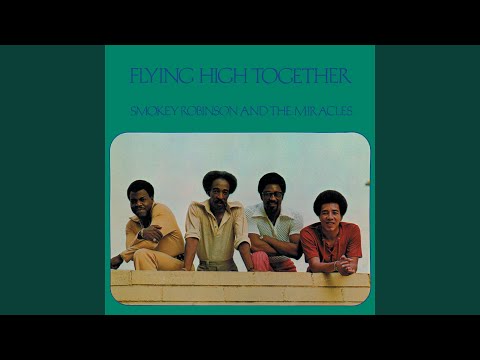
By 1971, Smokey Robinson had long been recognized as one of Motown's crowning glories. As the lead singer and chief songwriter of The Miracles, he had crafted an extraordinary string of classics, his tender voice and brilliant lyrics earning the admiration of peers and critics alike. Robinson was not only a magnificent performer but one of the great songwriters of his era, a craftsman whose work helped define the very sound of Motown. This single came during the later years of his celebrated run with the group.
A Sophisticated Soul Single
This single showcased the qualities that made Robinson so beloved, a smooth, soulful track built around his unmistakable voice. The song carried the melodic sophistication and emotional nuance characteristic of his finest work, blending tenderness with genuine craft. The arrangement framed his vocal in the polished, evolving style of early-seventies Motown, all warmth and elegance. It was a fine demonstration of why Robinson was held in such high regard, a masterful blend of feeling and finesse.
A Strong Chart Run
The single entered the Billboard Hot 100 on March 20, 1971, debuting at number 79. It climbed steadily and impressively over the following weeks, vaulting into the 60s, 50s, and 40s as audiences embraced its soulful appeal. The song eventually reached its peak of number 18 on May 15, 1971, a strong showing that placed it firmly in the upper tier of the chart. It logged 12 weeks on the Hot 100, a healthy run that confirmed Robinson's enduring popularity.
A Chapter In A Legendary Career
This single arrived during the closing stretch of Robinson's tenure as the lead of The Miracles, before he embarked on a hugely successful solo career. His contributions to popular music are immeasurable, both as a performer and as a songwriter whose work has been celebrated for generations. Records like this one represent the depth and consistency of his artistry, the work of a genuine legend operating at a remarkably high level throughout his career.
The Genius Of Smokey's Craft
To understand this recording fully is to appreciate the extraordinary gifts of its creator. Robinson stands among the most admired songwriters in all of popular music, a craftsman whose lyrics combined emotional depth with poetic elegance. Bob Dylan reportedly once praised him as a great poet, and the admiration of his peers reflected the genuine sophistication of his work. As both writer and singer, Robinson brought a rare double gift to his recordings, crafting songs of real subtlety and then delivering them with that tender, unmistakable voice. This single demonstrates that combination of talents, the work of an artist operating at the highest level of his craft. Few figures in music history have matched his blend of writing brilliance and vocal beauty, and his influence on soul music remains immeasurable to this day.
A Soulful Spin Worth Hearing
For listeners today, the recording offers a fine showcase of one of soul music's true masters, a song full of tenderness, craft, and that unmistakable voice. There is genuine artistry in Robinson's delivery, the sound of a singer and songwriter of the very highest order. Press play and let his smooth, soulful style draw you into a tender performance from one of Motown's greatest figures.
"I Don't Blame You At All" — Smokey Robinson & The Miracles' singular moment on the 1970s charts.
02 Song Meaning
The Meaning Behind "I Don't Blame You At All"
This is a song about heartbreak and a remarkable kind of grace, a lyric in which the singer absolves a departing lover of blame. Rather than lashing out in anger, the narrator accepts responsibility and releases the other person from guilt. The lyric explores a mature, selfless response to loss, the painful generosity of letting someone go without resentment.
Grace In Heartbreak
At the heart of the song lies an unusually generous response to pain. The singer refuses to blame the one who has left, choosing understanding over bitterness. That gracious stance gives the song its emotional depth, revealing a maturity rare in songs of heartbreak. Rather than casting the departing lover as a villain, the narrator accepts the situation with dignity, a response that speaks to genuine love and self-awareness.
Accepting Responsibility
The song reflects a willingness to look inward. The narrator considers his own role in the relationship's end, declining to place all the fault on the other. That honesty lends the lyric its integrity, the recognition that relationships fail for complicated reasons. The song's refusal to assign simple blame reveals a thoughtful, self-reflective heart, one capable of seeing beyond its own hurt.
The Sophistication Of Smokey's Writing
The lyric's emotional nuance reflects Robinson's gift as a songwriter. His writing brought subtlety and grace to themes of love and loss, elevating heartbreak into something thoughtful and refined. This song embodies that sophistication, exploring a complex emotional response with tenderness and craft. The quality of the writing is part of the meaning, transforming a familiar subject into something genuinely moving.
Love Beyond Possession
The song offers a vision of love that transcends mere possession. It suggests that true caring means wishing the best for someone, even in loss, a generosity that goes beyond the desire to hold on. Many love songs treat a partner's departure as betrayal, but this lyric chooses a higher path, releasing the other with understanding rather than resentment. That perspective reflects a mature conception of love, one rooted in genuine care rather than ownership. There is real beauty in that stance, the recognition that loving someone sometimes means letting them go gracefully. The song models an emotional generosity that few of us achieve in the moment of heartbreak, offering a quietly inspiring example of how to lose with dignity.
Why It Resonated
The song connected because its emotional maturity rang true. The grace of letting someone go without bitterness is deeply admirable, and the song gave that response a tender, eloquent voice. Robinson's soulful delivery brought genuine warmth to the lyric, capturing a generous and dignified reaction to loss. That thoughtful, mature sentiment, expressed with such craft, gave the song its lasting appeal.
→ More from Smokey Robinson & The Miracles
View all Smokey Robinson & The Miracles hits →


→ More from the 1970s File
View all 1970s hits →




Keep digging