The 1970s File Feature
Quiet Storm
"Quiet Storm" — Smokey Robinson and the Genre He Named After Motown, Before the Next Chapter Imagine Smokey Robinson in 1975, navigating a transition that fe…
01 The Story
"Quiet Storm" — Smokey Robinson and the Genre He Named
After Motown, Before the Next Chapter
Imagine Smokey Robinson in 1975, navigating a transition that few artists manage gracefully: the move from the institution that made him to independence, from the Motown machinery that had shaped pop music for fifteen years to the wider and less structured landscape of mid-1970s soul. Robinson had been one of Motown's most essential creative forces, not only as a performer with the Miracles but as a songwriter and producer responsible for some of the label's most celebrated recordings. Leaving that structure and striking out as a solo artist required re-establishing not just a sound but an identity separate from the collective achievement that had defined his career.
"Quiet Storm" was the title track of Robinson's 1975 solo album, and it announced something important: that he was capable of operating at the frontier of where soul music was heading rather than consolidating the achievements of where it had been. The song had a sound and a sensibility that felt genuinely new, even coming from an artist so deeply rooted in an established tradition.
Inventing a Format
The significance of "Quiet Storm" extends well beyond its own chart performance, because the song effectively named a radio format that would reshape the landscape of Black music broadcasting for the following two decades. Washington D.C. radio station WHUR-FM adopted the phrase as the title of a late-night programming block in 1976, and the concept spread rapidly through urban radio stations across the country. The "Quiet Storm" format, emphasizing smooth, sensual, adult-oriented R&B played during evening hours, became one of the most influential programming innovations in radio history.
The song's sound made it the obvious anchor for such a format: slow, sophisticated, intimate, and built around Robinson's still-remarkable falsetto, which could achieve emotional effects in the upper register that most singers cannot approach. The production featured layered instrumentation with a deliberately understated rhythm, allowing the vocal to carry the emotional weight without competition.
Seven Weeks on the Hot 100
The track debuted on the Billboard Hot 100 on January 17, 1976, at number 86. Over the following weeks it climbed steadily: 75, 71, 68, 62, eventually reaching its peak. The song peaked at number 61 on February 21, 1976, spending seven weeks on the chart. The Hot 100 position was relatively modest, but the song's impact on the R&B charts and on the broader culture of Black radio far exceeded what those numbers suggest.
On the R&B charts specifically, Robinson performed with considerably more force during this period, reflecting the core audience that had followed him from the Motown years and that recognized immediately what he was attempting with the new solo direction.
Robinson's Vocal Legacy
Smokey Robinson's falsetto is one of the most distinctive and studied instruments in American popular music. Its combination of power, precision, and emotional accessibility influenced generations of soul, R&B, and pop singers, from Stevie Wonder to Prince to contemporary artists working in the R&B tradition. In "Quiet Storm," that voice operated in a setting specifically designed to showcase its most intimate qualities, the whispered confidence and the subtle vibrato that could make a phrase feel like a secret being shared rather than a performance being delivered.
The album from which the song came, also called Quiet Storm, represented a deliberate statement about Robinson's artistic direction as a solo act. He was choosing depth over accessibility, mood over momentum, and the decision paid off in the long run even if the immediate chart numbers were modest.
The Format That Outlived the Song
The quiet storm radio format survived well into the 1990s and shaped the careers of artists from Luther Vandross to Anita Baker, providing a platform for sophisticated adult R&B that might otherwise have been squeezed out by the competing demands of pop and rap radio. Robinson's song inadvertently created the ecosystem that nurtured an entire generation of the music he cared most about. Few artists can claim to have named a genre and an era simultaneously with a single recording.
Press play in the evening, when the light is low and the temperature outside has dropped. That is the precise setting this song was designed for.
"Quiet Storm" — Smokey Robinson's singular moment on the 1970s charts.
02 Song Meaning
"Quiet Storm" — Intimacy as Aesthetic Principle
The Argument for Softness
There is a kind of power that operates through restraint rather than assertion, that makes itself felt precisely because it does not announce itself loudly. "Quiet Storm" was built on exactly this principle. At a moment in the mid-1970s when soul and funk were both trending toward larger, more physically assertive sounds, Robinson made a deliberate choice in the opposite direction: slower tempos, lower volumes, and a lyrical intimacy that required the listener to lean in rather than be carried along. The quiet storm was a proposition about what sophistication could mean in popular music, what it felt like when subtlety was allowed to do the work that volume often does more clumsily.
The song's themes addressed romantic feeling with an unhurried confidence that matched the musical approach. The narrator was not pleading or urgency-performing; he was communicating with the calm certainty of someone who knows both what he feels and his ability to make the other person understand it. That quality of quiet assurance was itself a kind of emotional stance, a way of saying that intensity and volume are not the same thing.
Sensuality and Adult Emotional Life
The quiet storm aesthetic that Robinson's song helped launch was fundamentally oriented toward adult experience, toward the romantic and emotional life of people who had moved past adolescent urgency into something more considered and more complex. The music addressed desire as a sustained condition rather than an acute emergency, as something that deepened and refined over time rather than consuming itself in an initial rush.
This was a meaningful artistic choice in a pop landscape that often treated romantic feeling as primarily the province of the young. Robinson was in his mid-thirties when he recorded the track, and the emotional register he brought to it reflected a maturity that could only come from accumulated experience. The listeners who responded most strongly to the song were often those who recognized in it an emotional landscape they were actually inhabiting rather than one they aspired to.
Voice as Meaning
In music, how something is sung often carries as much meaning as what is sung. Robinson's falsetto in "Quiet Storm" communicated emotional vulnerability and strength simultaneously, qualities that rarely coexist in popular music performance. The high register, which in other contexts can sound strained or showy, achieved in Robinson's delivery a quality of absolute control deployed in the service of absolute openness. The voice seemed to expose feeling while remaining completely composed, which is a difficult and rare emotional trick.
This combination gave the song an unusual emotional texture: it was intimate without being desperate, tender without being weak, sensual without being aggressive. Those distinctions mattered to the listeners who embraced it and to the radio programmers who built entire programming philosophies around the sound it represented.
The Naming of a Need
One measure of a song's cultural significance is whether it gives language or form to something that existed without a name before its arrival. "Quiet Storm" did exactly this, providing both a term and a sonic blueprint for an aesthetic that millions of listeners recognized as corresponding to something real in their emotional lives. The radio format that borrowed the song's name flourished because it met an audience that wanted music for a specific kind of attentive, private, evening listening experience and had no other reliable way to find it.
The song's legacy is therefore double: it stands as a significant individual recording and as the founding document of a cultural category. Both dimensions speak to Robinson's gift for locating emotional truth and giving it a form precise enough to survive the trip from his imagination to a stranger's ear.
→ More from Smokey Robinson
View all Smokey Robinson hits →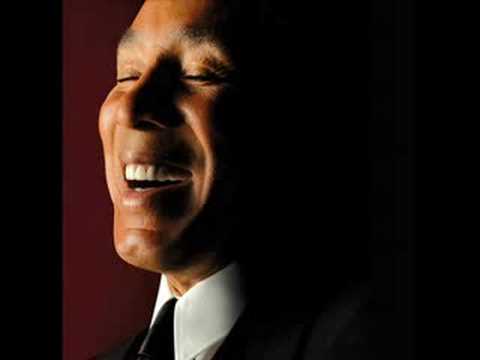



→ More from the 1970s File
View all 1970s hits →




Keep digging