The 1970s File Feature
Baby That's Backatcha
Baby That's Backatcha by Smokey Robinson There's something undeniably magnetic about the voice of Smokey Robinson, a silken tenor capable of melting hearts w…
01 The Story
"Baby That's Backatcha" by Smokey Robinson
There's something undeniably magnetic about the voice of Smokey Robinson, a silken tenor capable of melting hearts with a single phrase. By the mid-1970s, the legendary Motown figure had embarked on a solo career after decades of triumph, and "Baby That's Backatcha" became one of its early high points. Smooth, sensual, and effortlessly romantic, the song captured everything that made Robinson one of the most beloved voices in soul music, a master of tender, melodic seduction.
A Motown Legend Goes Solo
Smokey Robinson's place in music history was already secure long before this single. As the frontman of the Miracles and a key creative force at Motown, he had written and sung some of the most cherished songs of the 1960s, earning admiration as both a singer and a songwriter of rare gifts. He had also served as a vital executive and songwriter at Motown, shaping the label's golden era from within. By the mid-1970s he had stepped out on his own as a solo artist, and "Baby That's Backatcha" proved he remained at the height of his powers. His genius for melody and romantic expression was undiminished, simply channeled into a new chapter.
The Sound of Smooth Soul
"Baby That's Backatcha" embodies the lush, sensual soul that Robinson made his specialty. The arrangement is silky and unhurried, built on warm rhythm and gentle groove, the perfect cushion for his unmistakable falsetto. His voice glides over the track with intimate ease, conveying romance and warmth with every phrase. The song appeared on his album A Quiet Storm, released in 1975, a record so influential that its title gave a name to an entire radio format and subgenre of smooth, romantic soul. That context underscores the track's importance, arriving as part of a landmark album that helped define late-night soul radio for years to come.
A Solid Chart Run
The single performed respectably on the pop chart and even better among soul audiences. "Baby That's Backatcha" debuted on the Billboard Hot 100 on April 26, 1975 at number 89, then climbed steadily through the spring. It reached its peak of number 26 on June 28, 1975, and it spent eleven weeks on the Hot 100. The song fared even more impressively on the R&B chart, where it topped the listings, confirming Robinson's enduring command of the soul audience. Cracking the pop top 30 as a solo artist reaffirmed his status as one of music's most reliable romantic voices.
A Cornerstone of Quiet Storm
This single holds a special place as part of a genuinely influential album. The A Quiet Storm record helped launch the quiet storm format, a style of smooth, sophisticated soul that would shape romantic radio for decades. "Baby That's Backatcha" stands as a prime example of that sound, a template for the sensual, late-night soul that countless artists would follow. For Robinson, it marked a triumphant assertion of his solo identity, proof that the Motown legend had plenty of magic left to share. It remains a beloved entry in his storied catalog.
Why It Still Seduces
Heard today, the song still works its romantic spell, that falsetto as smooth and inviting as ever. The groove is warm, the mood intimate, the artistry effortless. Press play and let Smokey Robinson's voice wrap around you like velvet, and you'll understand why he is regarded as one of soul's greatest treasures. The track also marks an important moment of artistic continuity, proof that a legend of the previous decade could remain at the cutting edge of soul rather than coasting on past glories. Robinson did not merely survive the transition to solo work; he helped invent the next chapter of romantic soul. That achievement makes this gorgeous single more than a pretty love song, casting it as a quiet landmark. It is romance distilled into pure, gorgeous sound.
"Baby That's Backatcha" — Smokey Robinson's singular moment on the 1970s charts.
02 Song Meaning
The Meaning Behind "Baby That's Backatcha"
"Baby That's Backatcha" is a warm, reciprocal love song, a tender declaration that the affection and devotion a partner gives will be returned in equal measure. The title captures that spirit of mutual love, the idea that whatever feeling is offered will be sent right back. It is a song about the give-and-take of romance, the beautiful balance of two people who love each other fully and freely.
Love Returned in Kind
The central theme is reciprocity in love. The narrator assures his beloved that her affection is matched and returned, that the devotion flows in both directions. The title functions as a romantic promise, a pledge that love given will always be love received. There is reassurance in that message, the comfort of knowing one's feelings are mutual and secure. It is a celebration of love as a shared exchange.
Sensual Warmth
The emotional tone is intimate and sensual, the sound of romance expressed with tenderness rather than drama. Robinson's smooth falsetto conveys deep affection and desire, wrapping the message in warmth and gentle passion. The mood is one of romantic contentment, the satisfaction of a love fully returned. That sensual ease is central to the song's enduring appeal.
The Birth of Quiet Storm
Culturally, the song belongs to the dawn of the quiet storm sound, a smooth and sophisticated style of soul built for romance and late-night listening. This subgenre prized intimacy, warmth, and sensuality, and the song embodies those qualities perfectly. It reflects a moment when soul music embraced a more mature, refined approach to romance, creating a soundtrack for adult love that would endure for generations.
Why It Resonated
The song connected because its message of mutual love is deeply reassuring and universally appealing. Everyone longs to know that the love they give is returned, and the song offers that comfort with grace and beauty. Robinson's gorgeous voice made the sentiment irresistible, turning a simple promise of reciprocal love into something genuinely moving. It endures as a classic expression of romantic devotion, a reminder that the sweetest love is the kind that flows freely in both directions. There is maturity in the song's vision of romance, a sense of partnership and mutual care rather than longing or pursuit. It depicts love not as a chase but as a settled, reciprocal warmth, the comfort of two people fully committed to one another. That grown-up tenderness, delivered in Robinson's incomparable voice, is exactly what made the quiet storm sound so enduring, and why this song still feels like a warm embrace decades on. Love returned in full measure is one of the oldest dreams there is, and few singers have ever made that dream sound as real and as reachable as Smokey Robinson does here.
→ More from Smokey Robinson
View all Smokey Robinson hits →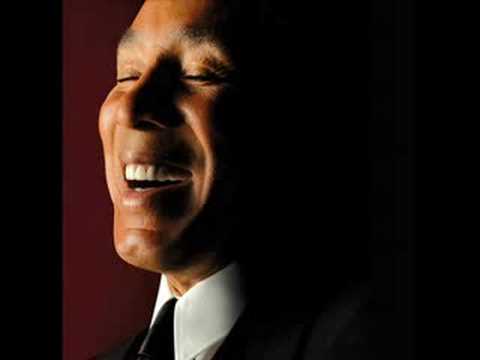

→ More from the 1970s File
View all 1970s hits →




Keep digging