The 1970s File Feature
My Little Town
My Little Town: Simon Garfunkel's Reunion and the Chart Comeback of 1975 "My Little Town" arrived in the autumn of 1975 as one of the most unexpected recordi…
01 The Story
My Little Town: Simon & Garfunkel's Reunion and the Chart Comeback of 1975
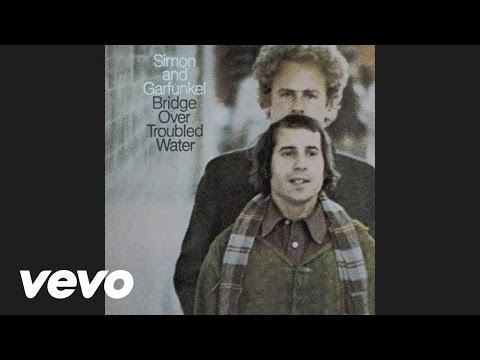
"My Little Town" arrived in the autumn of 1975 as one of the most unexpected recording events of the decade. Paul Simon and Art Garfunkel had parted ways as a duo in 1970 following the release of Bridge Over Troubled Water, a commercial and artistic triumph that had nonetheless left both men exhausted and estranged. Five years of separate careers, separate artistic identities, and considerable public speculation about reconciliation preceded the song's release. When the reunion finally came, it was framed not as a comeback album but as a deliberate one-off, a single piece of work that would appear simultaneously on both men's solo records.
Paul Simon wrote "My Little Town" specifically at Garfunkel's request. Garfunkel, preparing what would become his Breakaway album, felt the record needed something with more edge, a corrective to the gentler material he had been recording on his own. Simon obliged with a song set in a suffocating American suburb, a place defined by its limitations and the dreams it extinguishes. The song's narrator looks back at the town of his youth without nostalgia, finding there only gray skies, dead-end ambitions, and the dead weight of routine. It was not the warmly harmonized folk-pop of their earlier catalog; it was sharper and more unsettled.
The single was released by Columbia Records in October 1975 and entered the Billboard Hot 100 immediately upon its chart debut. Both men were at the peak of their individual commercial powers at the time. Simon had scored a string of critically acclaimed solo albums, culminating in 1975's Still Crazy After All These Years. Garfunkel had achieved his own major hit with "I Only Have Eyes for You" earlier that same year. The combination of their voices on a new track generated enormous radio interest, and the record climbed quickly.
"My Little Town" peaked at number nine on the Billboard Hot 100, a strong showing for a song that was, in every structural sense, a double A-side attached to two different solo albums rather than a conventional single. It also performed well on the Adult Contemporary chart, where both artists had their primary audience. The simultaneous appearance of the track on Simon's Still Crazy After All These Years and on Garfunkel's Breakaway was a logistical novelty that drew considerable press attention, with critics and fans debating which album it "belonged" to.
The recording sessions brought the duo back into the studio with arranger and producer Phil Ramone, who had worked closely with Simon on his solo material and understood how to frame the more acerbic tone of the new song without softening it into something palatable and forgettable. The arrangement incorporated a full orchestra alongside rock instrumentation, giving the track a cinematic sweep that contrasted with the smallness of the subject matter. The interplay between the two voices, unchanged after years apart, struck reviewers as the most remarkable element of the recording: the blend was instinctive, warm, and unmistakable even when the lyrical content was anything but warm.
Critical response was largely favorable, with many reviewers noting that the song worked precisely because it refused sentimentality. Where listeners might have expected a golden reunion record bathed in nostalgia, they received instead a dissection of provincial life that bordered on bitter. That tonal surprise gave the song staying power beyond the initial novelty of the reunion itself. It was discussed seriously as a piece of songwriting rather than merely as a commercial event.
Both albums on which the song appeared performed strongly: Still Crazy After All These Years won the Grammy Award for Album of the Year for 1975, and "My Little Town" was part of the commercial package that drove that album's success. Breakaway was similarly successful for Garfunkel, cementing his standing as a solo artist capable of sustaining a major career independent of the duo identity.
The song remained a consistent presence on classic rock and adult contemporary radio in the years that followed, and it became a reliable fixture whenever Simon and Garfunkel performed together on their occasional reunion tours, most notably the massive 1981 concert in Central Park, which drew an audience estimated at half a million people. That concert, and the live album it produced, reintroduced "My Little Town" to a new generation of listeners who had not been around for its original release.
The cultural footprint of the song is bound up with what it represented at the moment of its release: proof that one of the most celebrated vocal partnerships in American popular music could reconnect without diminishing the artistic seriousness either man had developed independently. It demonstrated that a reunion need not be a retreat, and that commercial appeal and genuine artistic ambition could coexist in a three-minute single. In that sense, "My Little Town" occupies a particular place in the Simon and Garfunkel story, neither a closing chapter nor a reopening, but a precise and well-crafted interruption that illuminated how much remained between them.
02 Song Meaning
Against Nostalgia: The Thematic Architecture of "My Little Town"
"My Little Town" is, at its core, an anti-pastoral work. Where American popular song had long traded in warm evocations of the hometown, the lost innocence of childhood geography, and the bittersweet pull of one's origins, Paul Simon's composition deliberately inverted those conventions. The song's narrator surveys the place where he grew up and finds it defined entirely by what it lacked: imagination, ambition, color, and any serious acknowledgment that the world beyond its borders existed at all. The emotional register is not grief or longing but something closer to exhausted clarity, the feeling of a person who has put sufficient distance between himself and his origins to see them without the distorting lens of sentiment.
The town itself functions less as a specific geographic location than as a condition of mind. It is the representative American small town of mid-twentieth-century life, a place where conformity operated as the primary social currency and where the unusual, the ambitious, and the imaginative were quietly discouraged. The narrator's memories are not fond. He describes a world of narrow horizons and people whose dreams died quietly, unprotested and unmourned, absorbed into the ordinary rhythm of daily life. There is no villain in this account; the town's damage is structural rather than malicious, which makes it harder to fight and more total in its effects.
The song gains particular power from the context in which Simon wrote it in 1975. By 1975 he had spent years examining the interiors of American life in his solo work, moving through characters who were displaced, alienated, or suspended between identities. The narrator of "My Little Town" fits naturally into that catalog, a figure shaped by a past he cannot fully escape even as he rejects it. The decision to bring Garfunkel in to share the vocal burden adds a layer of meaning: the two voices represent a kind of collective memory, a shared reckoning with origins that neither voice alone could fully carry.
The theological imagery woven through the song is significant. The narrator describes a world stripped of transcendence, where the promised escapes, whether religious, romantic, or geographic, have all failed to materialize or have simply never been seriously offered. This places "My Little Town" in a tradition of American art that interrogates the gap between the nation's mythology of opportunity and the lived reality of lives constrained by class, geography, and the deadening power of the ordinary.
For Simon's catalog, the song marks a moment of collaboration within what had been a resolutely solo artistic project since 1970. It demonstrated his willingness to revisit the partnership on his own creative terms, using the duo's vocal identity not for reassurance but for something more discomfiting. For Garfunkel, the song provided a tonal anchor to the Breakaway album, giving his softer material a harder edge that proved he was not simply coasting on the duo's accumulated goodwill.
The song has aged well precisely because its subject matter, the psychic cost of constrained origins and the complicated relationship between ambition and identity, remains perennially relevant. Each generation produces listeners who recognize in it the landscape of their own upbringing, and the song's refusal to soften that recognition into something manageable is what keeps it from becoming merely a period piece. It is a song about escape that refuses to celebrate escape as sufficient, which makes it considerably more honest than most treatments of the same theme in popular music.
→ More from Simon & Garfunkel
View all Simon & Garfunkel hits →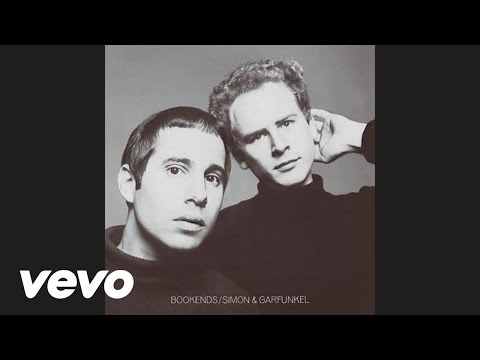

→ More from the 1970s File
View all 1970s hits →




Keep digging