The 1970s File Feature
Stuff Like That
Quincy Jones Throws a Party With Stuff Like That The late 1970s belonged to the groove, and few people understood groove more completely than Quincy Jones. P…
01 The Story
Quincy Jones Throws a Party With "Stuff Like That"
The late 1970s belonged to the groove, and few people understood groove more completely than Quincy Jones. Picture the summer of 1978, the disco era in full bloom and funk evolving into something sleek and irresistibly danceable. Into that moment stepped a master arranger and producer, assembling a dream team of musicians to cook up a slick, joyful jam. "Stuff Like That" is the sound of one of music's great architects simply having a great time.
The Maestro Behind the Curtain
By 1978, Quincy Jones was already a towering figure in American music, a producer, arranger, and composer whose résumé stretched across jazz, film scores, and pop. He was a musical polymath respected by everyone in the business, the kind of figure who could summon the finest talent in the world with a single phone call. This single came from his album "Sounds... and Stuff Like That", a showcase for his gifts as a bandleader and assembler of talent. He was on the cusp of even greater fame, soon to produce some of the most successful records in history. His career had already spanned decades by this point, from arranging for jazz legends in the 1950s to scoring major motion pictures, and that breadth of experience informed everything he touched. Few people in music understood how to build a record from the rhythm up the way Jones did, and his name on a project guaranteed both quality and a certain effortless sophistication.
An All-Star Groove
The track is a celebration of collective musicianship, brimming with the kind of polished, infectious energy that defined Jones' productions. The vocals featured the gifted Ashford and Simpson along with Chaka Khan, a powerhouse lineup that lent the song serious soul credibility. The arrangement glides on a smooth, propulsive groove, layered with crisp horns and tight rhythm work. It is the sound of expert players locking in together, a record made by people at the very top of their craft and clearly enjoying every minute.
A Solid Chart Run
The single did respectable business on the pop chart. It entered the Billboard Hot 100 dated June 10, 1978, at number 90, and climbed steadily through the summer. It reached its peak of number 21 on September 2, 1978, and enjoyed a strong sixteen weeks on the chart. That lengthy run reflects how thoroughly the song connected with audiences hungry for sophisticated, danceable soul, and it gave Jones a notable hit under his own name. Sixteen weeks on the Hot 100 is a substantial showing for any single, evidence of real staying power on radio and in the clubs rather than a quick flash of novelty. For a record built around groove and atmosphere more than a conventional pop hook, that durability says a great deal about the quality of the production and the appeal of the talent assembled to perform it.
A Prelude to History
The timing of this record is fascinating in retrospect. Quincy Jones was just a year or two away from his epoch-defining collaborations with Michael Jackson, the partnership that would yield some of the best-selling albums ever made. His mastery of groove and production heard here would soon reshape popular music entirely. So "Stuff Like That" offers a glimpse of a genius gathering momentum, demonstrating the very skills that would shortly make him the most important producer on the planet.
Press Play and Move
This is feel-good music of the highest order, crafted by a master and performed by an enviable cast of talent. There is nothing heavy here, just pure rhythmic pleasure designed to fill a dance floor. Cue it up, let that smooth groove take hold, and you will hear why Quincy Jones remains one of the most celebrated figures in all of popular music. It is joy you can dance to.
"Stuff Like That" — Quincy Jones' singular moment on the 1970s charts.
02 Song Meaning
The Meaning Behind "Stuff Like That"
Not every great song needs a weighty message. Some exist purely to capture a feeling, to bottle the joy of music made among friends and send it out to the dance floor. "Stuff Like That" is exactly that kind of record, and its celebration of groove and good times is meaning enough.
The Joy of the Groove
At its core, the song is about the pleasure of the music itself, the irresistible pull of a great rhythm. It celebrates the simple act of moving and feeling good, the communal high of a perfect dance track. There is no tortured narrative or hidden agenda, just the unfiltered delight of a groove that refuses to let you sit still. In the disco and funk landscape of the late 1970s, that joy was its own reward.
A Celebration of Collaboration
The song's spirit reflects the all-star nature of its creation. It embodies the magic that happens when gifted musicians come together, each contributing their talent to something larger than any individual. Quincy Jones built his career on assembling such combinations, and this track radiates the camaraderie and mutual respect of a great studio session. The meaning lives partly in that sense of collective creativity and shared fun.
The Sound of an Era
The record captures the optimism and style of the late-seventies dance scene, a moment when the nightclub became a kind of refuge and celebration. It reflects a culture that found liberation and community on the dance floor. For many listeners, music like this represented escape, a few minutes of pure joy away from everyday worries. The polished, upbeat sound was the soundtrack to that release.
Why It Connected
Audiences responded to the sheer quality and warmth of the production. The combination of expert musicianship and infectious energy proved impossible to resist. The song did not ask listeners to think; it asked them to feel and move, and that immediacy gave it broad appeal. People recognized excellence when they heard it, and they danced.
Pure, Unapologetic Fun
Ultimately, "Stuff Like That" means joy without complication, the celebration of music and movement for their own sake. It stands as a reminder that sometimes the highest purpose of a song is simply to make people feel wonderful. Quincy Jones, a master of every musical mood, here chose pure delight, and the result still glows with it. There is a particular kind of generosity in music made to lift people up, and a producer of Jones' stature could easily have reached for something weightier. Instead he served the simple pleasure of the groove, trusting that joy itself was worth pursuing, and listeners decades later still feel the warmth of that choice.
→ More from Quincy Jones
View all Quincy Jones hits →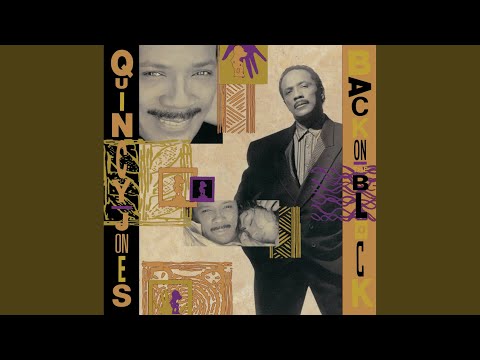

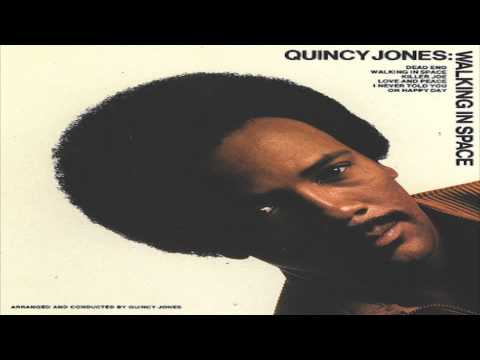


→ More from the 1970s File
View all 1970s hits →




Keep digging