The 1970s File Feature
Baby Come Back
Player Pleads for a Second Chance on Baby Come Back Picture the close of 1977: the airwaves are awash in smooth, soulful pop, the kind of polished, melodic r…
01 The Story
Player Pleads for a Second Chance on "Baby Come Back"
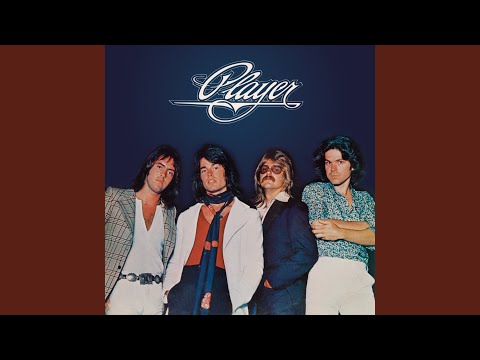
Picture the close of 1977: the airwaves are awash in smooth, soulful pop, the kind of polished, melodic rock that sounds like a warm California evening. Into that landscape glided Player, a band with a knack for blue-eyed soul, and their irresistible plea "Baby Come Back" became one of the defining slow-burning hits of the era, eventually riding all the way to the top of the chart in early 1978.
A New Band With a Polished Sound
Player was a young American group built around the songwriting and vocal partnership of Peter Beckett and J.C. Crowley. They emerged at a moment when smooth, soul-inflected soft rock was commercial gold, the kind of music that filled FM radio with sleek harmonies and shimmering production. "Baby Come Back" was their debut single and their masterstroke, a song that perfectly captured the silky, melancholy mood that defined late-seventies adult pop. From the opening bars, it announced a band that understood exactly how to make heartbreak sound gorgeous.
Heartbreak Dressed in Velvet
The recording is a study in smooth sophistication. A supple groove, gentle guitar, and aching, soulful vocals combine into something both danceable and deeply wistful. The song wears its influences openly, channeling the blue-eyed soul tradition into a sound polished to a high gloss. There is real yearning in the performance, a sense of genuine regret beneath the slick production. That balance, the marriage of pop craft and authentic emotion, is exactly what made the song connect so powerfully with listeners hungry for melodic, heartfelt radio.
A Patient Climb to the Top
The single entered the Billboard Hot 100 on October 1, 1977, at number 90 and began a long, determined climb. It moved to 80, then 68, then 55, then 50, gathering steam steadily through the autumn. The patience paid off spectacularly: the song eventually reached number 1 on January 14, 1978, claiming the top spot, and enjoyed a remarkable 32 weeks on the chart. That extended run reflected just how thoroughly the song lodged itself in the public ear, the kind of slow-building smash that becomes inescapable.
A Defining Sound of an Era
"Baby Come Back" became Player's signature song and one of the quintessential records of late-seventies soft rock, a track instantly evocative of its moment. Though the band never quite matched its towering success again, this single secured them a permanent place in the soundtrack of the era. Its roughly 112 million YouTube views show that the song's smooth, aching plea still resonates with listeners who keep rediscovering the golden glow of seventies radio.
The Hallmark of a Golden Radio Era
"Baby Come Back" sits comfortably alongside the era's other smooth-rock landmarks, the records that defined what the radio sounded like in the late seventies. This was the age of polished, soulful, melody-rich pop, music engineered to sound gorgeous coming out of car speakers and bedroom radios alike. The genre prized atmosphere and feeling over raw edge, and Player understood that formula completely. The song's slow build, its supple groove, and its aching vocal made it the kind of record that rewards repeated listening, each spin revealing another layer of its craft.
A One-Hit Wonder With Staying Power
While Player struggled to escape the long shadow of this debut, the song itself has proven remarkably durable, resurfacing in films, commercials, and countless nostalgic playlists over the decades. It has outlived its moment to become a genuine standard of the soft-rock canon, instantly recognizable from its opening notes. That kind of longevity is rare and precious; many bigger hits have faded while this single keeps finding new ears, a testament to how perfectly it captured a feeling and a sound.
Put it on and let that groove carry you; few breakup songs have ever sounded this irresistibly smooth.
"Baby Come Back" — Player's singular moment on the 1970s charts.
02 Song Meaning
The Regret and Longing in "Baby Come Back" by Player
This is a song about the morning after a breakup, when the anger has faded and only the aching want remains. "Baby Come Back" captures that vulnerable moment of regret, the realization that pushing someone away was a terrible mistake. Its meaning lives in the raw, humbled plea at its center.
The Sound of Swallowed Pride
The lyric, in paraphrase, finds the singer admitting fault and begging a former lover to return after a painful separation. He has had time to reflect, and the conclusion is clear: life without this person is empty, and whatever pride caused the split now feels worthless. The song is essentially an apology set to music, a man laying down his defenses and asking for one more chance.
Loneliness After the Fight
What gives the song its emotional weight is the unmistakable loneliness threaded through it. The smooth, polished surface only deepens the sense of quiet desperation underneath the cool exterior. This is the feeling of an empty apartment, of habits that suddenly have no one to share them, of realizing too late how much someone mattered. The song dwells in that hollow space and makes it ache beautifully.
Pride Versus Love
At its core, the song stages a familiar emotional battle between ego and the heart. It captures the universal experience of regretting a breakup, of recognizing that being right or winning an argument means nothing next to the loss of love. The singer has clearly chosen love over pride, but only after the damage is done, which lends the plea its bittersweet, cautionary edge.
Why It Still Connects
The song endures because nearly everyone has lived some version of its story: the breakup driven by stubbornness, the regret that follows, the longing to undo what was said. Player wrapped that painful experience in a sound so smooth and seductive that the heartbreak goes down easy. "Baby Come Back" lasts because it speaks to a truth we all eventually learn, that love is worth more than pride, and that lesson often arrives only after the door has already closed. There is a reason the song still plays at the end of so many late nights and the start of so many reconciliations: it gives voice to the apology we wish we had made sooner. By dressing that regret in such a seductive, melodic package, Player made it easy to feel the full weight of the longing without being crushed by it, which is exactly why listeners keep returning to its bittersweet groove.
→ More from Player
View all Player hits →
→ More from the 1970s File
View all 1970s hits →




Keep digging