The 1970s File Feature
Still Crazy After All These Years
Still Crazy After All These Years — Paul Simon (1975/1976) "Still Crazy After All These Years" is the title track of the album that won Paul Simon the Grammy…
01 The Story
Still Crazy After All These Years — Paul Simon (1975/1976)
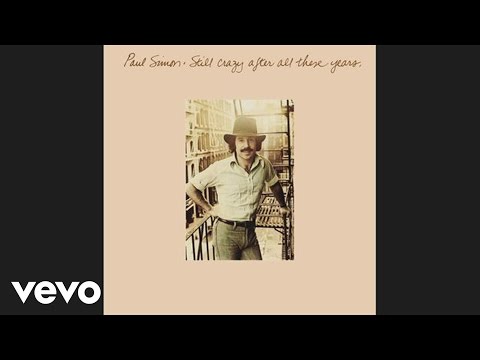
"Still Crazy After All These Years" is the title track of the album that won Paul Simon the Grammy Award for Album of the Year in 1977, one of the most prestigious recognitions in American popular music. The song and album were recorded and released in 1975 through Columbia Records, and the single charted on the Billboard Hot 100, extending the commercial reach of a project that was already performing strongly as an album. The recording stands as one of the defining achievements of the singer-songwriter tradition of the 1970s and as one of Paul Simon's most personal and enduring compositions.
The song emerged from a particularly fertile and painful period in Simon's personal life. His marriage to Peggy Harper had ended in divorce, and the emotional aftermath of that dissolution was one of the central creative energies driving the material on Still Crazy After All These Years. The album was recorded in New York, primarily at studios that were among the most sophisticated recording environments available in the mid-1970s, and produced with the precision and care that had characterized Simon's studio work since his early collaboration with Art Garfunkel and their transition to solo careers.
Paul Simon co-produced the album alongside Phil Ramone, one of the most accomplished record producers of his generation. The collaboration between Simon's compositional and lyrical vision and Ramone's production expertise produced recordings of exceptional sonic quality, characterized by clean, precise arrangements that showcased Simon's guitar work and vocal delivery without overwhelming them with unnecessary ornamentation. The title track's arrangement is notably restrained, built around a melodic framework that gives the lyrical content maximum space to register.
Art Garfunkel appeared on the album as a guest vocalist, contributing to one of its tracks, which provided a moment of reconciliation between the two former partners and generated considerable media attention. Simon's solo career had been extremely successful throughout the early 1970s, but the presence of Garfunkel on any project inevitably provoked discussion about the duo's legacy and possible future, adding an extra dimension of public interest to an already eagerly anticipated record.
The title track itself was recorded with contributions from a group of highly skilled New York session musicians who were central to the sophisticated adult pop and jazz-influenced sounds that characterized the most ambitious studio work of the period. The saxophone work that runs through the track became one of its most memorable sonic signatures, contributing to a mood of reflective sophistication that matched the lyrical content's mixture of nostalgia, self-deprecation, and hard-won equanimity.
The Billboard Hot 100 chart performance of "Still Crazy After All These Years" as a single extended the album's commercial impact beyond album buyers to the broader radio audience, and the song received significant adult contemporary and pop radio play during its chart run. The album itself performed at a very high level commercially, reaching the top five on the Billboard 200 and sustaining strong sales over an extended period.
The 1977 Grammy for Album of the Year was the culmination of a period of exceptional critical recognition for the project. Simon had been recognized throughout his career as one of the most accomplished songwriters in American popular music, and the Album of the Year award placed Still Crazy After All These Years at the apex of that recognition. The title track, as the album's emotional and thematic centerpiece, was central to the critical consensus that made the Grammy recognition possible.
The song has had an extraordinary afterlife in American culture, covered by numerous artists across different genres and decades and cited repeatedly in discussions of the greatest American popular songs of the twentieth century. Its combination of musical sophistication and lyrical honesty about aging, failed expectations, and resilient self-acceptance proved to have a timeless quality that many more explicitly contemporary-sounding songs of the same period have not matched. It remains one of the most played and most frequently referenced songs in Simon's catalog, which is considerable praise given the quality and breadth of that catalog.
The recording also stands as a document of a specific cultural moment: New York in the mid-1970s, a city going through severe economic and social crisis while simultaneously producing some of the most sophisticated popular music of the decade. Simon's music of this period reflects that context, combining high artistic aspiration with an emotional honesty rooted in real personal experience, a combination that proved to have lasting value for subsequent generations of listeners.
02 Song Meaning
The Meaning Behind "Still Crazy After All These Years" by Paul Simon
"Still Crazy After All These Years" is built around one of the most precisely observed emotional states in Paul Simon's catalog: the strange combination of surprise and recognition that comes from encountering one's own persistent irrationality after years of accumulated experience are supposed to have produced wisdom. The narrator has reached a certain age and has, by conventional measures, lived through enough to have stabilized. And yet the song's central observation is that the quality the narrator is most characterized by, a certain emotional volatility or eccentricity or vulnerability that might loosely be called craziness, has survived everything that should have corrected or eliminated it.
The song's specific situation involves an encounter with a former romantic partner, a meeting in a bar that is handled with the casualness of two people who have moved beyond the acute phase of whatever they once shared. The narrator observes himself in this encounter with a combination of ironic detachment and genuine warmth. He is not devastated by the meeting, but he is also not indifferent to it. He occupies the complicated middle ground of someone who has aged enough to have perspective but not so much as to have lost feeling.
Paul Simon's approach to autobiography in his songwriting has always been careful to transform personal experience into something more universal rather than merely confessional. "Still Crazy After All These Years" draws on the emotional reality of his divorce while also reaching toward a set of observations that apply to any listener who has reached middle age and found that the self they carry forward is not as transformed by experience as they might have expected. The song's genius is partly in this universalization: it makes a specific situation feel like shared human experience.
The "craziness" the title references is deliberately ambiguous. It can mean the emotional instability of someone who has not achieved the maturity their years should have produced. It can mean the passionate, somewhat irrational quality of romantic feeling that persists despite experience. It can mean the artist's particular kind of sensitivity and perception, which might appear eccentric from the outside, as a permanent trait rather than a developmental phase. Simon allows all of these meanings to coexist, which is part of what makes the lyric so durable.
The song's tone is one of its most remarkable achievements. It is melancholy but not despairing, self-deprecating but not self-pitying, nostalgic but not sentimental. Simon maintains an ironic distance from his own emotional content that prevents the song from becoming maudlin while still allowing it to be genuinely moving. This tonal balance is extremely difficult to achieve and represents a level of craft that explains why the song has been so widely recognized and covered.
The song's position as the title track of a Grammy Album of the Year winner reflects the critical consensus of 1977 that Simon had produced something of exceptional quality and lasting significance. The award validated not just the individual song but the entire album's vision, and the title track's presence at the center of that vision made it the natural focal point for the recognition. In the history of the Grammy Award for Album of the Year, the winning albums that have aged most gracefully tend to be those that combined genuine artistic ambition with emotional directness, and Still Crazy After All These Years is a strong example of both qualities.
The saxophone that runs through the recording adds a specifically adult, jazz-adjacent emotional register that reinforces the lyrical content. The arrangement communicates maturity and reflective sophistication through its sonic choices, matching the lyrical stance of someone who has seen enough of life to find a kind of bittersweet humor in his own persistence. The music and the words are in complete alignment, which is the condition toward which all great popular songs aspire and which relatively few fully achieve.
For subsequent generations of listeners, the song has functioned as a touchstone for a specific kind of honest, emotionally intelligent adult reflection on the gap between what we expected from experience and what we actually received from it. That function has proved remarkably durable, ensuring the song's continued relevance long after the specific biographical circumstances of its creation have receded into the background of Simon's public biography.
→ More from Paul Simon
View all Paul Simon hits →


→ More from the 1970s File
View all 1970s hits →




Keep digging