The 1970s File Feature
Ride 'em Cowboy
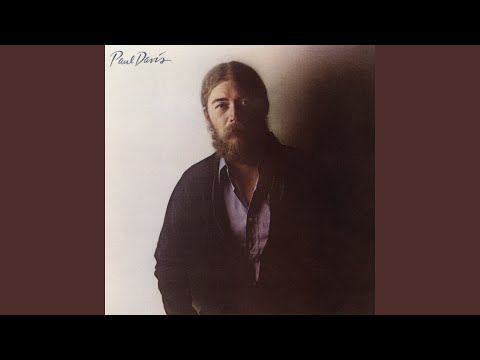
The Story Behind Ride 'em Cowboy by Paul Davis A Mississippi Songwriter Building Momentum The mid-1970s produced a wave of Southern-born singer-songwriters w…
01 The Story
The Story Behind "Ride 'em Cowboy" by Paul Davis
A Mississippi Songwriter Building Momentum
The mid-1970s produced a wave of Southern-born singer-songwriters who refused to be boxed into a single genre, moving comfortably between pop hooks, soul phrasing, and country storytelling depending on what a given song demanded. By late 1974, Paul Davis was steadily establishing himself as one of the more distinctive voices coming out of the Southern pop and R&B scene, a Mississippi-born singer-songwriter whose warm, soulful delivery had already helped him land hits like "I Go Crazy" earlier in the decade. Davis recorded for Bang Records, a label known for nurturing idiosyncratic Southern talent, and by the time "Ride 'em Cowboy" arrived, he was proving capable of blending country-tinged imagery with pop and soul sensibilities in a way few of his contemporaries attempted with the same natural ease, treating genre boundaries as suggestions rather than firm rules.
A Playful Western Metaphor
"Ride 'em Cowboy" leaned into cowboy and rodeo imagery as an extended metaphor, using that rugged, Americana-tinged language to frame a story with unmistakable romantic and playful undertones. The arrangement matched that spirit, blending Davis's soulful vocal delivery with a loose, groove-driven backing that gave the song crossover appeal across pop, country, and R&B radio formats simultaneously, a rare trick that helped explain its unusually long chart life across those different audiences, each hearing something slightly different in the same recording.
An Exceptionally Long, Steady Climb
The single debuted on the Billboard Hot 100 on October 12, 1974, entering the chart at a lowly number 98. What followed was a remarkably patient, sustained ascent: 92, then 80, then 70, then 60 in successive weeks, a slow build that showed genuine grassroots momentum rather than a manufactured radio push. The song eventually climbed all the way to its peak position of number 23 on January 18, 1975, an impressive result for a single that had started so far down the chart months earlier. In total, "Ride 'em Cowboy" spent an extraordinary 18 weeks on the Hot 100, one of the longer chart runs of Davis's entire career.
Proof of Crossover Staying Power
Few singles of the mid-1970s managed such a slow-building, format-spanning climb, and the achievement speaks to just how carefully radio programmers across different formats embraced the record once it found its footing. That 18-week run reflected something important about Davis's appeal during this stretch of the 1970s: his music found audiences across multiple radio formats, sustaining chart presence long after most singles would have faded from rotation. It marked him as an artist capable of real crossover traction, bridging pop, soul, and country audiences at a moment when those genres were becoming increasingly permeable on American radio playlists.
A Stepping Stone Toward Later Success
Momentum in the music industry rarely arrives all at once, and Davis's steady, format-spanning climb through the fall and winter of 1974 illustrates that gradual process well. The success of "Ride 'em Cowboy" helped cement Davis's reputation heading into the back half of the 1970s and set the stage for even bigger hits still to come in his catalog, including his later chart-topping ballad work that would define the next chapter of his career. It stands as an important, underappreciated marker in the build toward his most commercially dominant years.
A Song Worth Rediscovering
Give "Ride 'em Cowboy" a listen today and you'll hear a songwriter confidently blending genres years before crossover became a common industry strategy. It's a genuinely fun, warmly performed reminder of just how versatile Southern pop-soul could be in the mid-1970s, and how much charisma Davis could pack into a song built around a single, playful idea. It remains one of the more overlooked entries in a catalog that would only grow more commercially significant in the years that followed.
"Ride 'em Cowboy" — Paul Davis's singular moment on the 1970s charts.
02 Song Meaning
What "Ride 'em Cowboy" Is Really About
Romantic Pursuit Dressed in Western Imagery
Extended metaphors can easily feel forced when a songwriter leans on them too hard, but this track earns its central conceit through sheer commitment and a light comic touch. "Ride 'em Cowboy" uses rodeo and cowboy metaphors as a playful lens for romantic pursuit and desire, framing courtship and attraction through the language of taming something wild and untamed. That extended metaphor gives the song a distinct personality, setting it apart from more straightforward love songs of the era through its inventive, image-driven approach to a familiar subject that countless other songwriters had already covered in far more predictable ways.
A Blend of Genres Mirrored in Theme
Just as the song's sound merged country, pop, and R&B influences, its lyrical approach borrows the storytelling instincts of country western tradition while filtering them through soul music's emotional directness. That genre-blending songwriting choice reflects Paul Davis's broader artistic identity, an ability to move fluidly between musical worlds without losing coherence or sincerity along the way, a balancing act that fewer songwriters managed as gracefully.
Playfulness as Emotional Register
Unlike heavier, more melancholic soul ballads of the mid-1970s, this track embraces a lighter, more flirtatious tone, treating romance as something fun and a little competitive rather than fraught or painful. That playful energy gave listeners a welcome change of pace, offering escapism through vivid imagery rather than emotional confession or heartbreak, a lighter mood that suited radio programmers looking for variety.
Southern Identity in Pop Music
The song's imagery reflects a broader mid-1970s trend of Southern artists bringing regional identity and Americana texture into mainstream pop and soul, a cultural moment when country influences were increasingly bleeding into other genres. Davis, as a Mississippi native, brought genuine regional authenticity to that blend rather than borrowing it superficially from outside the tradition.
Why It Connected Across Formats
Programmers at country stations, pop stations, and R&B stations rarely agreed on much during this period, yet this single found a way into all three rotations simultaneously. The song's broad, multi-genre appeal wasn't accidental; its universal romantic theme, dressed in accessible and entertaining imagery, gave listeners across pop, country, and R&B audiences something to latch onto simultaneously. That combination of catchy concept and crossover sound explains its unusually long and steady chart climb over many months.
A Fun, Confident Statement of Desire
At its core, the song's meaning is refreshingly uncomplicated: a confident, good-humored expression of romantic interest, wrapped in imagery vivid enough to make it memorable. It's a reminder that not every enduring love song needs heavy emotional stakes to leave a lasting impression on listeners, sometimes charm and a clever hook are more than enough to carry a song for months on the radio.
→ More from Paul Davis
View all Paul Davis hits →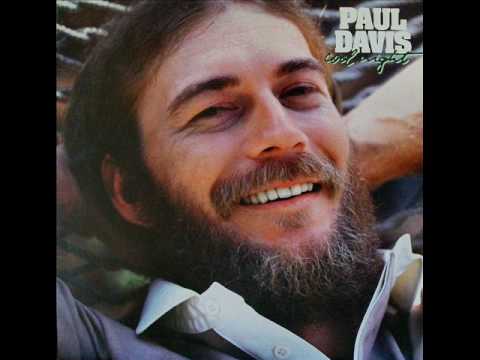
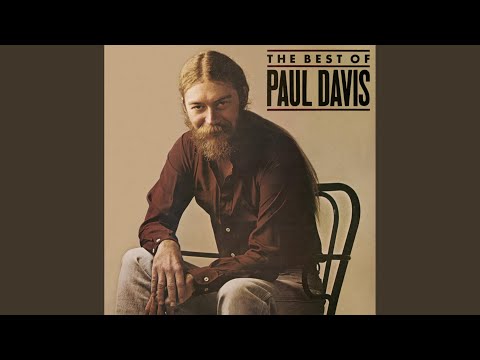
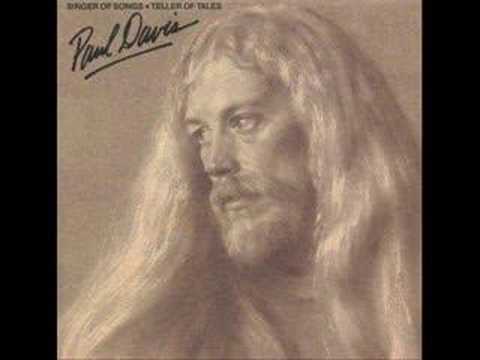
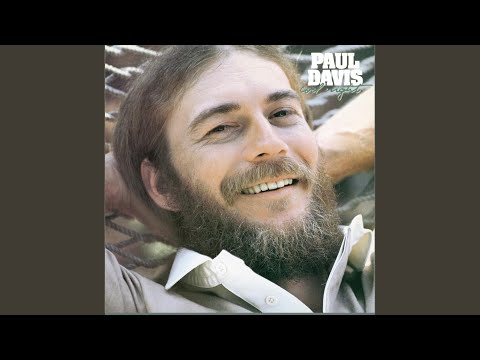
→ More from the 1970s File
View all 1970s hits →




Keep digging