The 1970s File Feature
Times Of Your Life
Times Of Your Life — Paul Anka A Career Reinvented, Again There is something almost implausible about Paul Anka's commercial longevity. He had first reached …
01 The Story
Times Of Your Life — Paul Anka
A Career Reinvented, Again
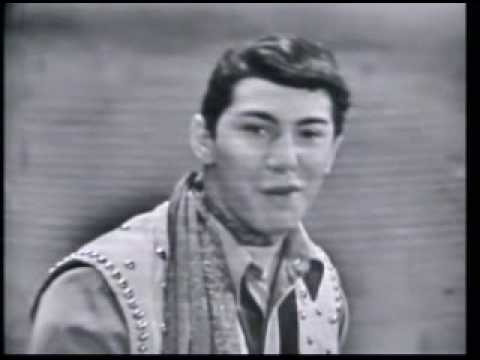
There is something almost implausible about Paul Anka's commercial longevity. He had first reached the top of the American pop charts in 1957 with "Diana," a record he wrote himself at fifteen years old. He had sustained a career through the early 1960s as one of the defining teen idols of that era. Then, as the British Invasion restructured the pop landscape, he had shifted his focus toward songwriting for other artists and toward the Las Vegas circuit, building a second career that was invisible to most of the rock audience but deeply lucrative. And then, in the mid-1970s, he returned to the pop charts with a series of recordings that demonstrated his understanding of exactly what the adult contemporary audience of that decade wanted to hear.
"Times of Your Life" was the most successful of those mid-1970s recordings for Anka, and it arrived in a form that gave it unusual cultural resonance: the song had originally been written and recorded for a Kodak advertising campaign, its warmly nostalgic imagery of life's passing moments perfectly calibrated for a brand whose entire identity was built around preserving memories.
From Commercial to Chart
The transition from advertising jingle to pop single was not unprecedented, but it was also not guaranteed to work. What made "Times of Your Life" function as a standalone commercial release was the genuine emotional weight of the material. The song's meditation on the passage of time and the preciousness of accumulated experience resonated with listeners who encountered it independently of any advertising context. Anka's vocal performance brought the kind of sincere, effortful conviction that had always been his commercial strength, investing the lyrical sentiments with enough personal warmth to overcome any skepticism about the song's origins.
The arrangement was lush and orchestral in a way that suited both the lyrical content and the adult contemporary radio format that was Anka's primary commercial vehicle by the mid-1970s. Strings, careful vocal production, and a melodic structure that moved through emotional registers with practiced skill characterized the recording. This was craftsmanship in the traditional showbusiness sense: the skill to give an audience exactly what they were hoping to feel.
Twenty Weeks and a Number Seven Peak
The single debuted on the Billboard Hot 100 on November 15, 1975, entering at a relatively high position of 57. The chart trajectory that followed was exceptional by any measure: the record climbed steadily through the winter months, spending 20 weeks on the Hot 100 and reaching its peak position of number 7 on the week of February 7, 1976. A top-ten peak after a sustained twenty-week chart run was the kind of performance that reflected deep, broad commercial appeal rather than a concentrated opening-week burst from a dedicated fan base.
Adult contemporary radio in the mid-1970s had enormous reach, and "Times of Your Life" found traction there that sustained its chart life well into the new year. The record was also a significant success on the adult contemporary specific chart, where it performed even more strongly than on the broader Hot 100.
The Nostalgia Industry of the Mid-1970s
The mid-1970s were a period when nostalgia had become a significant commercial and cultural force in American life. Watergate and Vietnam had generated a widespread appetite for reconnection with an imagined more innocent national past. Anka's song did not participate in that political nostalgia directly, but it touched the same emotional reservoir from a more personal angle: the nostalgia for one's own life rather than for a national narrative. That personal frame proved broadly accessible to listeners across generational lines, because the experience of valuing the time you have spent and the people you have known is not age-specific.
The Kodak connection had primed listeners to associate the song with a particular kind of warm, photographic memory, and that association carried over into the song's independent commercial life in ways that reinforced its emotional impact.
Anka's Place in the Adult Pop Tradition
Looking back, "Times of Your Life" stands as one of the defining recordings of the adult contemporary genre at its mid-1970s peak, a period when that format dominated American radio in ways that the album-rock focused music press of the era consistently underestimated. Anka's craft and his instinct for what large audiences needed emotionally produced a song that has outlasted the advertising context that gave it birth and the chart moment that made it briefly ubiquitous. Press play and hear a songwriter with fifty years of experience communicating directly with listeners who were ready to feel exactly this.
"Times Of Your Life" — Paul Anka's singular moment on the 1970s charts.
02 Song Meaning
Times Of Your Life — Themes and Legacy
Memory, Time, and the Human Impulse to Hold On
The emotional territory of "Times of Your Life" is the territory that all nostalgia inhabits: the awareness that time passes, that moments which were ordinary when they occurred become irreplaceable in retrospect, and that the people and experiences that constitute a life are finite in ways that are easy to forget until they are not. The song treats memory not as escape but as a form of gratitude, a practice of returning to what has been in order to appreciate what it meant. That is a subtle and mature emotional register, one that presupposes a listener with enough life behind them to feel the weight of what the lyrics are reaching toward.
The Kodak campaign for which the song was originally written had understood this emotional territory precisely. The photography brand's identity was built entirely on the human desire to arrest time, to preserve moments against the inevitable erosion of memory. The song gave that desire language and melody, making explicit what photographs could only imply.
The Passage of Time as Lyrical Subject
Songs about time and memory constitute one of the oldest categories in popular music, but they achieve very different effects depending on their emotional stance. Some treat time's passage as loss, as grief, as something to be resisted or mourned. Others, and "Times of Your Life" belongs in this group, approach the same subject with something closer to acceptance and appreciation. The song does not resist the passage of time; it savors it, treating the accumulation of experiences and relationships as wealth rather than as something stolen.
That emotional choice was deliberately inclusive. Grief about time is often private and resistant to sharing; gratitude about time is more communicable, more social. A song about appreciating the life you have lived invites collective recognition in a way that more individually specific grief does not. The broad commercial appeal of "Times of Your Life" was partly a function of this emotional accessibility.
Paul Anka and the Showbusiness Tradition of Sincerity
Paul Anka belonged to a tradition of popular entertainment that had always believed in the direct emotional appeal, the unironic sincerity about large human experiences that the more self-conscious strains of 1960s and 1970s music had complicated. His performance on "Times of Your Life" drew on that tradition completely, delivering the song's sentiments without ironic distance or qualification. That sincerity was, in the mid-1970s adult contemporary context, both commercially astute and genuinely expressive of the values Anka had always brought to his work.
The song also demonstrated Anka's sophisticated understanding of what different audiences needed at different life stages. The teen idol of 1957 had written songs for fifteen-year-olds in love; the Anka of 1975 was writing for adults in their thirties and forties who had accumulated enough experience to find meaning in a song about appreciating what had passed. The same instinct for the emotional needs of an audience, applied to a different audience at a different moment.
The Song in American Cultural Memory
The Kodak connection gave "Times of Your Life" a cultural afterlife that extended well beyond its original chart moment. The song was repurposed repeatedly in advertising contexts over the following decades, and its association with memory preservation meant that new generations encountered it in contexts that reinforced its original emotional meaning. That sustained cultural circulation, moving in and out of advertising, television specials, and retrospective programming, kept the song present in American cultural memory long after its original chart run had ended. It became one of those recordings that people know without necessarily being able to name where they first heard it, absorbed through cultural osmosis rather than deliberate listening. That kind of penetration is the deepest mark a commercial song can make.
→ More from Paul Anka
View all Paul Anka hits →


→ More from the 1970s File
View all 1970s hits →




Keep digging